
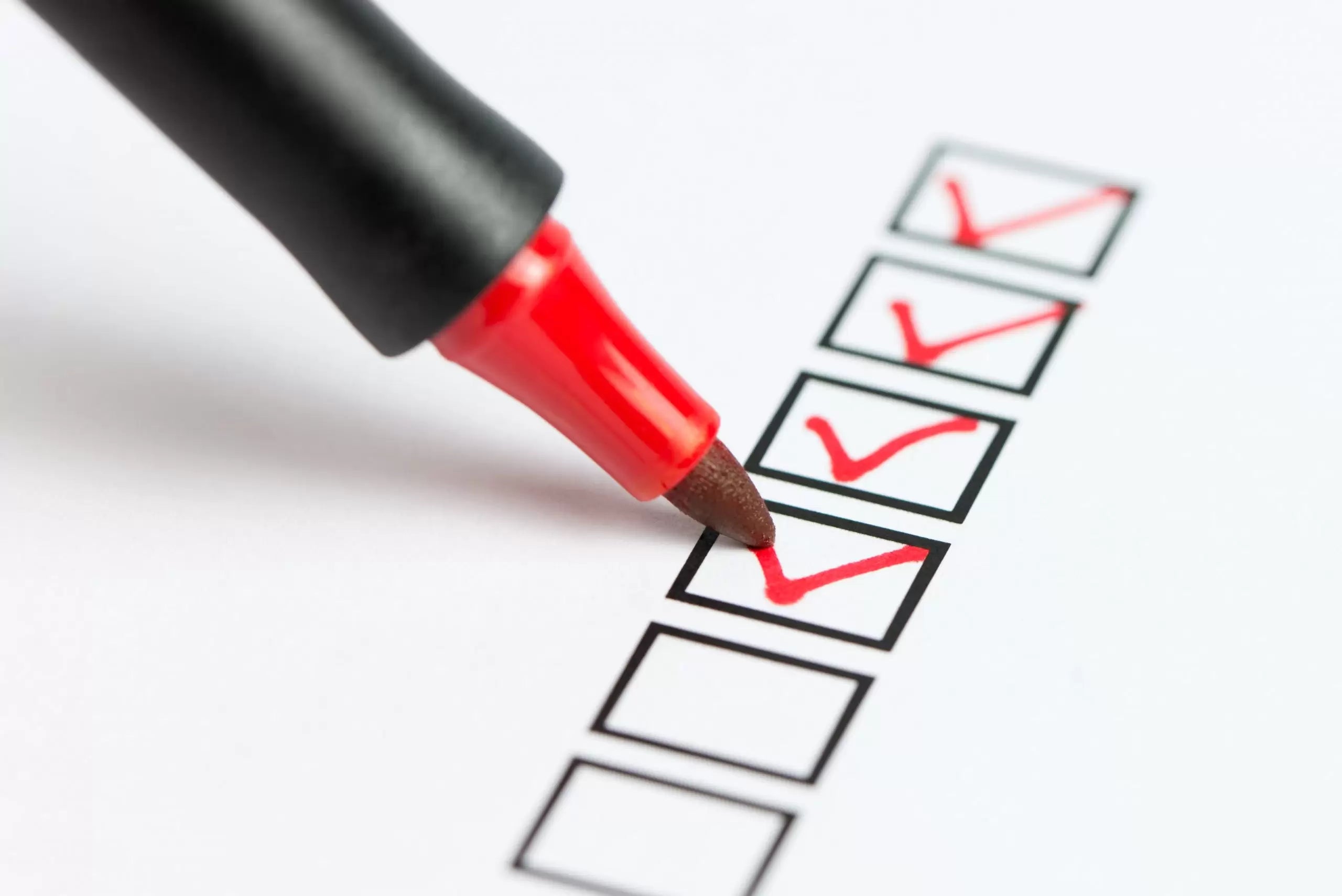
The Complete Brand Launch Checklist for Beauty Products
The Complete Brand Launch Checklist for Beauty Products
Launching a beauty brand can be exciting, but it also involves many moving parts. From product development and branding to packaging and regulatory compliance, entrepreneurs must carefully plan each step before introducing products to the market.
The beauty industry has grown dramatically in recent years, with thousands of new skincare, hair care, and wellness brands entering the market. While the opportunity is enormous, success requires careful preparation and a clear strategy. Many founders underestimate how many steps are involved in taking an idea from concept to a fully functioning product line.
A well-structured brand launch checklist for beauty products helps ensure nothing is overlooked during the process. Whether you are launching skincare, hair care, or wellness products, following a clear roadmap can make the difference between a smooth launch and costly delays.
This guide outlines the essential steps every beauty entrepreneur should follow when preparing to launch a brand. By understanding each stage of development, you can build a stronger foundation for long-term growth and customer trust.
Why You Need a Brand Launch Checklist for Beauty Products


The beauty industry is highly competitive. New brands must manage product development, regulatory compliance, packaging, marketing, and distribution before launching successfully.
Without a clear launch strategy, many startups encounter delays, unexpected costs, or compliance issues that could have been avoided. A structured checklist helps entrepreneurs remain organized while navigating complex processes such as ingredient sourcing, manufacturing, labeling regulations, and product testing.
Having a clear checklist also helps teams collaborate more effectively. Designers, product developers, manufacturers, and marketing teams all need to work together to ensure that the final product meets both brand standards and regulatory requirements.
- Stay organized during product development
- Avoid common startup mistakes
- Launch products faster
- Ensure compliance with industry regulations
- Build a strong brand foundation
- Create a consistent brand experience for customers
In short, a well-planned launch process helps transform an idea into a professional, market-ready beauty brand.
Step 1: Define Your Beauty Brand Concept
Every successful beauty brand starts with a clear concept and target audience. Your brand concept defines what your products represent and why customers should choose them over other options on the market.
Start by identifying the core mission behind your brand. Some beauty companies focus on natural ingredients, while others emphasize science-based formulations or dermatology-inspired solutions. Understanding your unique value proposition helps differentiate your brand in a crowded marketplace.
Key questions to consider include:
- What type of beauty products will you sell?
- Who is your ideal customer?
- What problem does your product solve?
- What makes your brand unique?
Common product categories include:
- Skincare products
- Hair care products
- Body care products
- Wellness and self-care products
- Natural or organic beauty products
Once your concept is defined, create a clear brand positioning statement. This statement summarizes what your brand offers, who it serves, and what makes it different. A strong positioning statement guides everything from product development to marketing campaigns.
Step 2: Research the Beauty Market
Before launching, conduct market research to understand current trends and consumer preferences. Market research helps identify opportunities and potential gaps that your brand can fill.
For example, you may discover rising demand for minimalist skincare routines, microbiome-friendly ingredients, or sustainable packaging solutions. Understanding these trends allows you to design products that align with consumer expectations.
Important areas to analyze include:
- Competitor analysis
- Pricing strategies
- Packaging trends
- Ingredient trends
- Consumer buying behavior
Look at both established brands and emerging startups. Study how they present their products, price their items, and communicate their brand story. This research provides valuable insight into how your own brand can stand out.
Step 3: Develop Your Beauty Products


Product development is one of the most important stages of launching a beauty brand. The quality, safety, and effectiveness of your products will ultimately determine customer satisfaction and long-term success.
Brands typically choose between several manufacturing options depending on budget and customization needs.
- Private label manufacturing
- Custom cosmetic formulation
- Contract manufacturing partners
Private label solutions allow brands to launch quickly using pre-developed formulas, while custom formulations offer more flexibility to create unique products.
During the development stage, it is essential to finalize:
- Product formulations
- Ingredient selection
- Product performance testing
- Stability testing
- Safety assessments
Testing ensures your products remain stable, safe, and effective throughout their shelf life. Proper testing also helps ensure compliance with cosmetic regulations.
Step 4: Create Your Brand Identity
Brand identity defines how customers perceive your business. A strong identity communicates professionalism, trust, and consistency across every touchpoint.
Your visual identity should reflect the personality and values of your brand. For example, luxury skincare brands often use minimalist design and neutral colors, while playful beauty brands may use bold colors and expressive typography.
Essential branding elements include:
- Brand name
- Logo design
- Brand colors and typography
- Brand story and mission
- Packaging design
Your brand story is especially important in the beauty industry. Customers often connect emotionally with brands that share authentic values and a meaningful mission.
Step 5: Design Packaging and Labels

Packaging is often the first thing customers notice when discovering a beauty product. High-quality packaging can significantly influence purchasing decisions.
Beyond aesthetics, packaging must also protect the product and preserve its quality during storage and shipping.
Consider the following factors when selecting packaging:
- Functional container design
- Product protection
- Brand consistency
- Sustainable packaging options
- Regulatory label requirements
Sustainability is becoming increasingly important for modern beauty consumers. Many brands are now exploring recyclable materials, refillable packaging, and reduced plastic solutions.
Step 6: Ensure Regulatory Compliance
Before selling beauty products, it is essential to ensure compliance with cosmetic regulations. Requirements vary by region, but most markets have strict rules governing ingredient safety, labeling, and product claims.
Failing to comply with these regulations can lead to product recalls, legal issues, or damage to your brand reputation.
- Ingredient compliance
- Product safety documentation
- Cosmetic labeling requirements
- Accurate product claims
- Manufacturing standards
Working with experienced cosmetic manufacturers or regulatory specialists can help ensure your products meet all necessary requirements before launch.
Step 7: Build Your Website and Online Store
A professional website is essential for modern beauty brands. Your online store acts as the central hub for product discovery, education, and purchasing.
A well-designed website should clearly communicate your brand story while making it easy for customers to learn about your products.
Include:
- Product pages with detailed descriptions
- Brand story and mission
- Educational blog content
- Customer testimonials
- Clear purchasing options
Educational content such as blog articles can also help attract organic traffic through search engines, making SEO an important part of your website strategy.
Step 8: Prepare Your Marketing Strategy
Even the best beauty products need effective marketing to reach customers. A strong marketing plan should begin before your official product launch.
- Social media marketing
- Influencer collaborations
- Content marketing and blogging
- Email marketing campaigns
- Product launch promotions
Pre-launch campaigns can help build anticipation and grow your audience before products become available. Many successful beauty brands use waitlists, teaser campaigns, and early access promotions to generate excitement.
Step 9: Plan Inventory and Production
Inventory planning is a critical step that many new brands overlook. Producing too little inventory can lead to stock shortages, while producing too much may create storage challenges.
Plan initial manufacturing quantities, packaging supplies, inventory storage, and shipping logistics carefully. Understanding production lead times also helps ensure products are ready when marketing campaigns begin.
Step 10: Launch Your Beauty Brand
Once everything is prepared, it’s time to officially launch your brand. A successful launch combines marketing efforts, strong storytelling, and strategic promotions.
- Pre-launch marketing campaigns
- Email list announcements
- Social media launch events
- Influencer collaborations
- Special launch promotions
A well-executed launch can generate early sales momentum and help build brand recognition.
Free Brand Launch Checklist for Beauty Products
Use this simplified checklist when preparing your brand:
- Brand Planning: Define concept, identify target audience, competitor research
- Product Development: Choose manufacturing partner, finalize formulations, product testing
- Branding & Packaging: Logo & identity, select containers, create labels
- Compliance: Verify ingredient compliance, labeling, review product claims
- Marketing Preparation: Build website, social media content, launch plan
- Production & Launch: Order inventory, plan shipping, execute launch campaign
Conclusion
Launching a beauty brand requires careful planning across product development, branding, compliance, marketing, and production. While the process may seem complex, following a structured launch checklist can simplify each step.
By taking the time to research your market, develop high-quality products, and build a strong brand identity, you create the foundation for long-term success. With the right preparation and strategy, your beauty brand can successfully enter the market and grow into a trusted name in the industry.
FAQ: Brand Launch Checklist for Beauty Products
What is a beauty brand launch checklist?
A structured list of steps required to successfully develop, produce, and launch a beauty product line.
How long does it take to launch a beauty brand?
Launching a beauty brand can take several months to over a year, depending on product development and manufacturing timelines.
What products should a new beauty brand launch first?
Many start with a small range like cleansers, moisturizers, serums, or hair care essentials.
Do beauty brands need regulatory compliance before launching?
Yes. Cosmetic safety, labeling, and marketing regulations must be followed before products are sold.
How can new beauty brands attract customers?
Social media, influencer partnerships, and educational content help attract and build brand awareness.
Read more
The beauty industry continues to grow at an incredible pace. From skincare and haircare to wellness and personal grooming products, consumers are constantly searching for innovative brands that off...
The global beauty industry is one of the fastest-growing markets in the world, driven by innovation, evolving consumer preferences, and the increasing importance of self-care. Skincare, haircare, c...