
How to Launch a Private Label Beauty Brand in 2026
How to Launch a Private Label Beauty Brand in 2026
The beauty industry continues to grow at an incredible pace. From skincare and haircare to wellness and personal grooming products, consumers are constantly searching for innovative brands that offer quality, transparency, and real results. Over the past decade, a new generation of entrepreneurs has entered the market with niche concepts, modern brand identities, and strong digital communities.
While starting a beauty company once required massive investments in laboratories, chemists, research teams, and manufacturing facilities, modern private label manufacturing has changed the landscape completely. Today, entrepreneurs can launch premium beauty brands without building their own production infrastructure.
Private label manufacturing allows founders to partner with experienced laboratories that develop and produce high-quality beauty products. This model enables brands to focus on branding, marketing, and customer experience while professional chemists and production teams handle the technical side of formulation and manufacturing.
The accessibility of this model has opened the door for thousands of new beauty entrepreneurs. Influencers, skincare enthusiasts, salon owners, and wellness experts are now able to transform their product ideas into real brands with professional-grade formulations.
In this guide, we will explore how private label beauty manufacturing works, why it has become one of the most popular ways to start a beauty brand, and the exact steps entrepreneurs can take to bring their product ideas to life.
The Rise of Private Label Beauty Brands

The beauty industry has shifted dramatically over the last decade. Consumers are no longer loyal only to traditional global brands. Instead, they are increasingly drawn to independent brands that feel authentic, innovative, and aligned with their values.
Social media has played a major role in this transformation. Platforms like Instagram, TikTok, and YouTube allow smaller brands to build communities and showcase products directly to customers. Influencers and creators frequently launch their own product lines, further fueling the growth of independent beauty companies.
Consumers today also expect transparency. They want to know where products are made, what ingredients are included, and whether brands align with their ethical and sustainability values. This shift has created an opportunity for new companies to enter the market with focused missions and clearly defined product philosophies.
Private label manufacturing supports this shift by removing the largest barriers to entry. Instead of spending years developing formulas and building facilities, entrepreneurs can work with manufacturers that already produce professional-grade formulations.
This allows founders to concentrate on building strong brands while leaving formulation science and production to experienced experts.
What Is Private Label Beauty Manufacturing?
Private label beauty manufacturing is a production model where a manufacturer produces beauty or personal care products that are sold under another company's brand name.
The manufacturer develops and produces the formulations while the brand owner focuses on brand development, packaging design, marketing, and sales. This model significantly reduces startup costs and shortens the time needed to launch new products.
For example, a skincare entrepreneur might want to launch a line of facial serums. Instead of hiring chemists and developing formulas from scratch, they can partner with a private label manufacturer that already offers high-performance serum formulations.
The manufacturer produces the product, fills the packaging, and prepares it for distribution while the entrepreneur sells it under their own brand.
This partnership model allows businesses to move much faster than traditional product development cycles. Instead of spending years testing and refining formulas, founders can focus on building their brand presence and customer base.
Why Entrepreneurs Choose Private Label Manufacturing
There are several reasons why private label manufacturing has become such a popular business model for beauty startups.
- Lower startup costs compared to building a production facility
- Faster product launch timelines
- Access to professional cosmetic chemists and tested formulations
- Ability to scale production as demand grows
- Reduced operational complexity for founders
- Opportunity to focus resources on branding and marketing
Launching a beauty brand independently can require millions of dollars in research, equipment, and regulatory approvals. Private label manufacturing dramatically lowers these costs by leveraging existing expertise and infrastructure.
This model allows entrepreneurs to test their ideas in the market without committing to enormous upfront investments. If a product performs well, production can be scaled quickly to meet growing demand.
Choosing Your Product Category
One of the first steps in launching a beauty brand is selecting the product category you want to enter. Different segments of the beauty market offer unique opportunities depending on consumer trends and brand positioning.
Skincare Products
Skincare is one of the fastest-growing sectors in the beauty industry. Popular products include cleansers, moisturizers, serums, face masks, toners, and eye creams.
Consumers are particularly interested in products that combine effective ingredients with clean formulations and visible results. Ingredients such as hyaluronic acid, niacinamide, peptides, and vitamin C remain extremely popular.
Brands that focus on specific skincare concerns—such as acne treatment, anti-aging solutions, or hydration—often perform particularly well.
Haircare Products
Haircare continues to grow rapidly, especially in specialized niches such as scalp health, hair growth treatments, and repair products for damaged hair.
Products like shampoos, conditioners, hair oils, and leave-in treatments offer strong opportunities for brand differentiation.
Many successful haircare brands position themselves around specific hair types or concerns, such as curly hair care, color protection, or strengthening treatments.
Body Care Products
Body care products such as lotions, scrubs, body oils, and shower gels have also gained popularity as consumers adopt more comprehensive self-care routines.
Luxury body care, in particular, has become a major trend as customers look for premium experiences in their daily routines.
Fragrance-infused body products and spa-inspired formulas are especially popular in this category.
Developing Your Brand Concept
Before launching products, it is essential to clearly define your brand concept. This includes understanding who your target customers are and what makes your brand unique.
- Identify your target audience
- Define the problem your product solves
- Determine your brand values and positioning
- Choose a pricing strategy
- Create a consistent visual identity
A strong brand concept ensures that all products, packaging, and marketing efforts align with a clear message. Successful beauty brands communicate a specific vision that resonates with their audience.
Whether your focus is clean beauty, luxury skincare, dermatologist-inspired formulations, or sustainable wellness products, defining your positioning early will help guide all future decisions.
Packaging and Brand Identity


Packaging plays a critical role in the beauty industry. Customers often make purchasing decisions based on visual presentation and perceived quality.
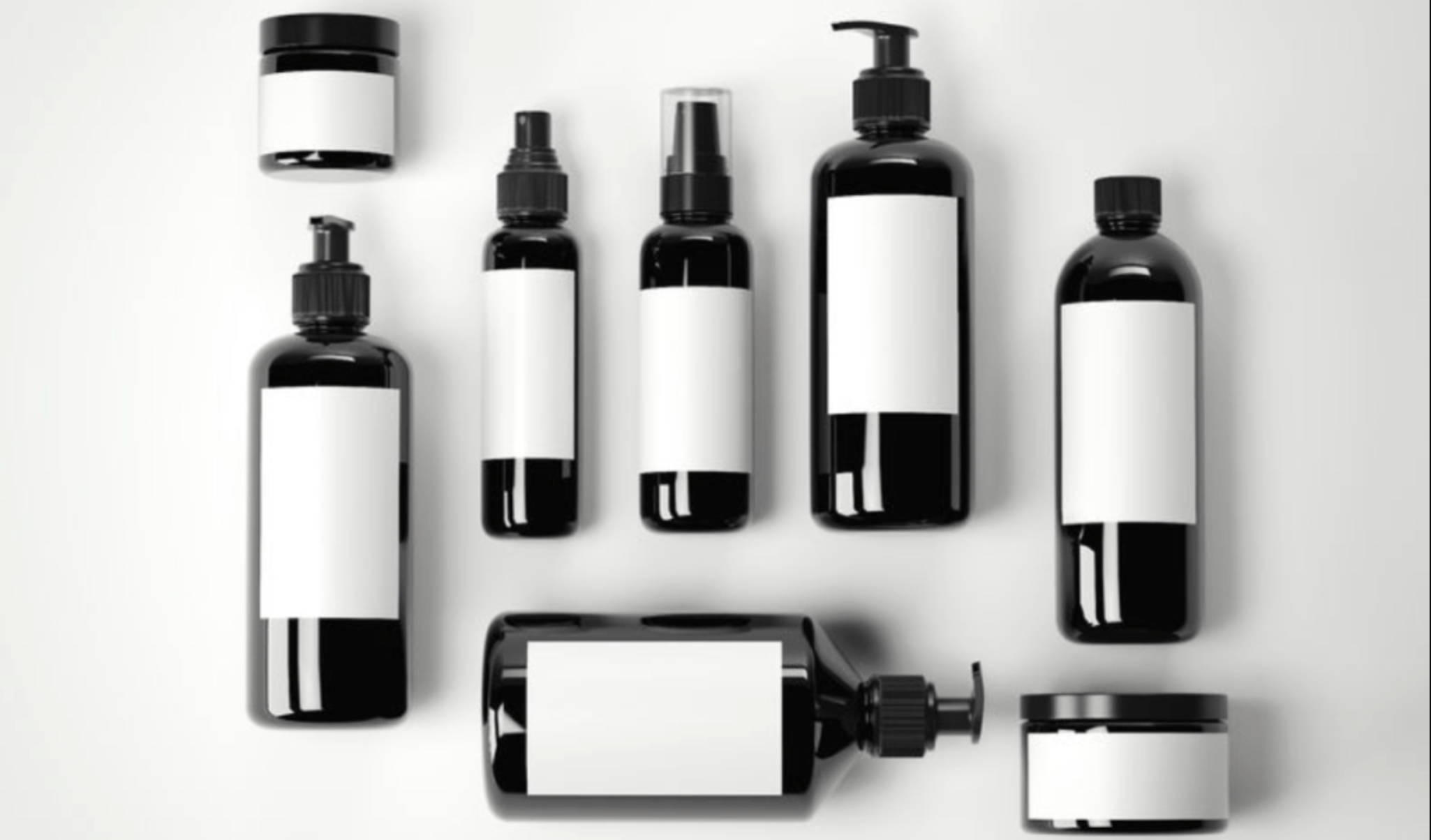
Your packaging should reflect your brand personality while also protecting the product inside. This includes selecting the right containers, pumps, droppers, labels, and materials.
Sustainable packaging options are also becoming increasingly important as consumers seek environmentally responsible brands.
Glass bottles, recyclable plastics, refillable containers, and minimalist packaging designs are becoming more common as brands aim to reduce environmental impact.
In addition to sustainability, packaging must also be functional and user-friendly. Customers appreciate products that are easy to use, hygienic, and travel-friendly.
Marketing Your Beauty Brand
Once your products are ready, the next step is building awareness and attracting customers. Successful beauty brands invest heavily in marketing strategies that connect with their target audience.
- Social media marketing
- Influencer partnerships
- Search engine optimization
- Email marketing
- Content marketing and education
Storytelling is particularly important in the beauty industry. Consumers want to understand the inspiration behind your brand and why your products are different.
Educational content can also help build trust with customers. Brands that provide skincare guides, ingredient explanations, and tutorials often establish stronger relationships with their audiences.
Building a community around your brand can significantly increase customer loyalty and long-term growth.
Beauty Industry Trends Shaping 2026
Entrepreneurs launching beauty brands should pay close attention to emerging industry trends that influence consumer behavior.
- Clean and transparent ingredient formulations
- Sustainable packaging and eco-friendly production
- Science-backed skincare ingredients
- Personalized beauty solutions
- Wellness-focused beauty products
Brands that align with these trends often find it easier to build loyal customer communities. Consumers increasingly expect products that deliver results while also supporting ethical and sustainable practices.
Final Thoughts
Launching a beauty brand has never been more accessible than it is today. Private label manufacturing allows entrepreneurs to focus on creativity, branding, and customer relationships while experienced laboratories handle the technical complexities of product development.
With the right strategy, a strong brand concept, and high-quality formulations, new beauty brands can successfully enter the market and compete alongside established companies.
The beauty industry will continue to evolve as new technologies, ingredients, and consumer preferences shape the future of personal care. Entrepreneurs who stay informed and work with experienced manufacturing partners will be best positioned to build successful and sustainable beauty brands.
Read more
Launching a beauty brand has never been more exciting—or more competitive. With the global beauty industry valued in the hundreds of billions, entrepreneurs are constantly searching for ways to ent...

Launching a beauty brand can be exciting, but it also involves many moving parts. From product development and branding to packaging and regulatory compliance, entrepreneurs must carefully plan eac...