
How to Build a Successful Beauty Brand with Private Label Manufacturing
How to Build a Successful Beauty Brand with Private Label Manufacturing
The global beauty industry is one of the fastest-growing markets in the world, driven by continuous innovation, evolving consumer preferences, and the increasing importance of self-care in everyday life. Skincare, haircare, cosmetics, and personal care products are no longer viewed as occasional luxuries—they have become essential components of daily routines for millions of people across the globe. As lifestyles become more fast-paced and wellness-focused, consumers are actively seeking products that enhance both their appearance and their overall sense of well-being. This growing demand has created a highly dynamic market filled with opportunities for new and emerging brands.
For entrepreneurs, this presents an exciting and highly accessible opportunity. Launching a beauty brand today is significantly easier than it was a decade ago, thanks to advancements in manufacturing, global sourcing, e-commerce platforms, and digital marketing tools. However, while entry into the market may be easier, achieving long-term success remains a challenge. Building a successful beauty brand requires more than just a creative idea or attractive packaging. It demands a clear strategy, strong brand positioning, consistent quality, and the ability to connect with consumers on an emotional level.
One of the most effective ways to enter the beauty market is through private label manufacturing. This approach allows entrepreneurs to create high-quality, professional-grade products without the need to invest in their own laboratory, research team, or production facility. By working with experienced manufacturers, brands can focus their energy on building a compelling identity, developing marketing strategies, and growing a loyal customer base while ensuring their products meet industry standards.
In this guide, Brandology Labs explores how to build a successful beauty brand using private label manufacturing. From selecting the right product category to scaling your business effectively, this comprehensive overview will help you navigate every stage of the journey—from initial concept to long-term growth.
What Is Private Label Manufacturing?
Private label manufacturing is a business model in which a third-party manufacturer produces goods that are sold under another company’s brand name. Within the beauty industry, this means that a manufacturer handles formulation, production, and quality control, while the brand focuses on packaging, branding, and marketing. This division of responsibilities allows entrepreneurs to bring products to market efficiently without needing technical expertise in chemistry or product development.
This model significantly reduces the barriers to entry for new businesses. Developing cosmetic formulations from scratch can be a complex and expensive process involving research, testing, regulatory approvals, and large-scale production capabilities. Private label manufacturing removes these obstacles by offering pre-developed, tested formulations that are ready for branding and customization.
Many manufacturers also provide options for customization, allowing brands to adjust fragrances, textures, ingredients, and performance characteristics. This flexibility enables entrepreneurs to create unique offerings that align with their brand identity while still benefiting from the reliability of proven formulations.
Speed is another major advantage. In a fast-moving industry where trends can change quickly, the ability to launch products rapidly is crucial. Private label manufacturing allows brands to respond to market demands efficiently and stay competitive in an ever-evolving landscape.
Why Private Label Is Ideal for New Beauty Brands
For new entrepreneurs, private label manufacturing provides a practical and scalable way to enter the beauty industry. Instead of investing heavily in infrastructure and production capabilities, founders can allocate their resources toward branding, marketing, and customer acquisition—areas that directly impact growth and visibility.
This approach also minimizes risk. Since the formulations are already tested and validated, there is less uncertainty regarding product performance and safety. This allows brands to focus on building trust with their audience and delivering consistent value.
Flexibility is another key benefit. Brands can start with a small product range, gather customer feedback, and refine their offerings over time. This iterative approach makes it easier to adapt to market trends and customer preferences without overcommitting resources.
Many well-known beauty brands began with private label manufacturing before expanding into custom formulations and larger production operations. By starting with a strong foundation, these brands were able to scale effectively while maintaining product quality and brand consistency.
Choosing the Right Product Category
Selecting the right product category is one of the most important decisions you will make when building your beauty brand. Your choice will influence your target audience, marketing strategy, and long-term positioning within the market. It is essential to choose a category that aligns with both market demand and your brand vision.
- Skincare products such as cleansers, serums, and moisturizers
- Haircare products including shampoos, conditioners, and treatments
- Body care items like lotions, scrubs, and oils
- Cosmetics such as foundations, lip products, and eye makeup
- Grooming products like beard oils and styling products
Many successful brands begin with a focused product range rather than launching across multiple categories. This allows for better quality control, clearer messaging, and a stronger brand identity. Starting small also makes it easier to test the market and build credibility before expanding your offerings.
Understanding your target audience is crucial. Consider their lifestyle, preferences, and purchasing habits. Are they seeking premium, luxury products, or are they more interested in affordable, everyday solutions? Are natural and sustainable ingredients important to them? Answering these questions will help guide your decisions and ensure your products resonate with the right audience.
Building a Strong Brand Identity
In the beauty industry, branding plays a critical role in determining success. Consumers are drawn to brands that reflect their values, aspirations, and personal identity. A strong brand identity helps you stand out in a crowded market and creates a memorable experience for your customers.
Your brand identity encompasses everything from your visual design elements to your messaging and tone of voice. It includes your logo, packaging, website design, and social media presence, as well as how you communicate with your audience.
- Define your target audience clearly
- Establish your brand values and mission
- Create a cohesive visual identity
- Develop a unique brand voice
- Position your brand within the market
Consistency is essential across all touchpoints. When customers encounter your brand multiple times and recognize a cohesive message and aesthetic, they are more likely to trust your products and develop loyalty over time.
Packaging and Product Presentation
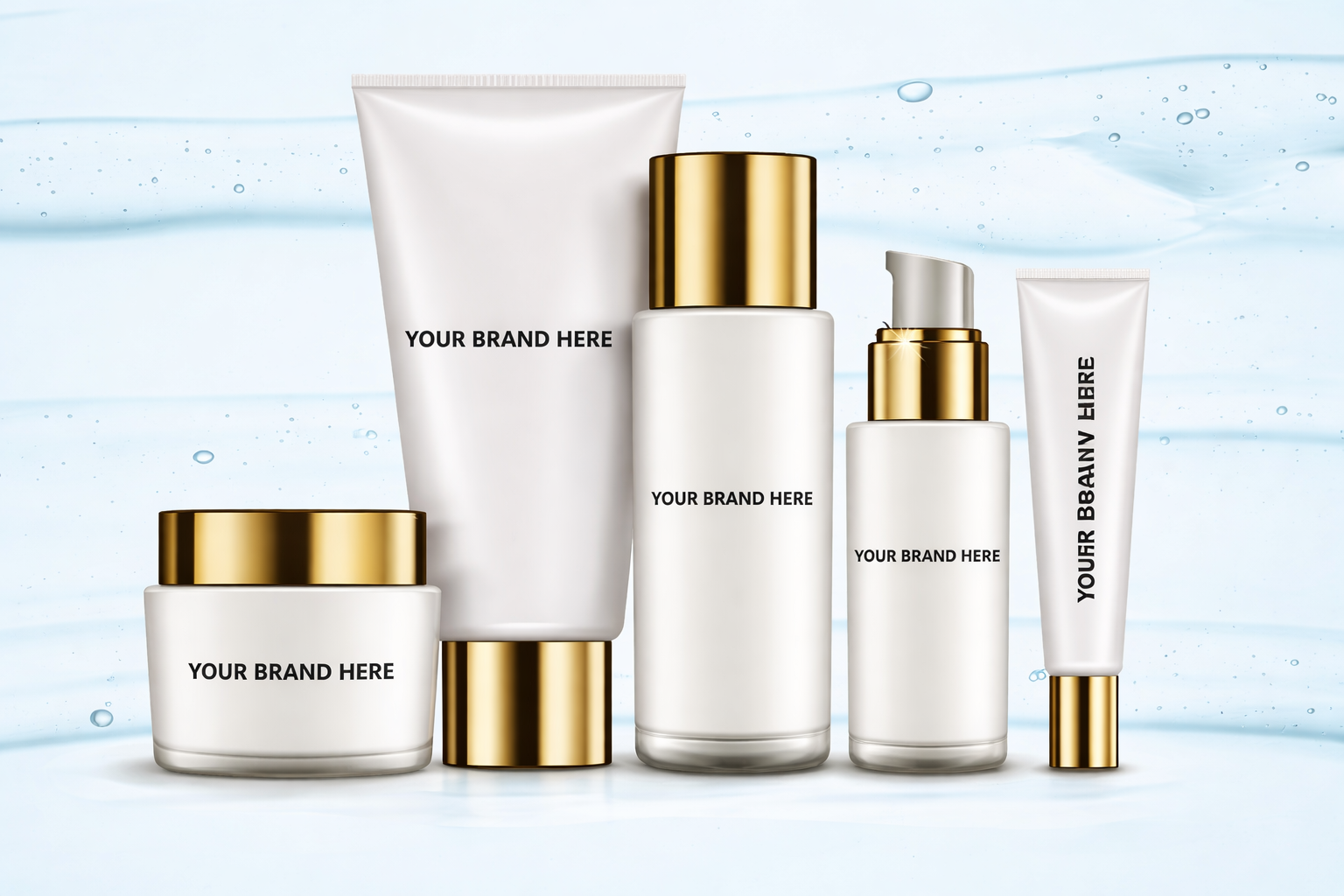
Packaging is one of the most influential factors in a consumer’s purchasing decision. It is often the first interaction a customer has with your brand, and it sets expectations for product quality and experience.
Effective packaging should combine visual appeal with practicality. It needs to protect the product, be easy to use, and reflect your brand identity in a clear and compelling way.
- Selecting the right containers and materials
- Designing labels that communicate clearly
- Ensuring durability during shipping
- Considering sustainability and eco-friendly options
Today’s consumers are increasingly conscious of environmental impact. Incorporating sustainable packaging solutions, such as recyclable materials or reduced plastic usage, can enhance your brand’s reputation and appeal to eco-conscious buyers.
Ensuring Product Quality and Compliance
Product quality is fundamental to building a successful beauty brand. Customers expect products that are safe, effective, and consistent. Meeting these expectations is essential for establishing trust and maintaining a strong reputation.
Working with experienced manufacturers ensures that your products meet industry regulations and safety standards. These partners provide testing, documentation, and quality control processes that protect both your customers and your brand.
- Ingredient verification
- Safety and stability testing
- Regulatory compliance
- Packaging compatibility
Investing in quality from the beginning reduces the risk of issues later and sets the foundation for long-term success.
Marketing Your Beauty Brand
Marketing is a critical component of building and growing a beauty brand. Even the highest-quality products require effective promotion to reach their intended audience. A strong marketing strategy helps create awareness, build trust, and drive sales.
Digital marketing has become the primary channel for beauty brands. Social media platforms, in particular, provide powerful opportunities to showcase products, connect with audiences, and build communities.
- Influencer partnerships
- Social media content
- Email marketing campaigns
- Customer reviews and testimonials
- Educational blog content
Authenticity is key in modern marketing. Consumers are more likely to engage with brands that communicate honestly, provide value, and foster genuine connections.
Scaling and Growing Your Brand
Once your brand gains traction, the next step is scaling your business. Growth should be approached strategically to ensure sustainability and consistency.
Expanding your product range, entering new markets, and increasing your marketing efforts are common strategies for growth. However, it is important to maintain the quality and identity that initially attracted your customers.
- Introduce complementary products
- Expand distribution channels
- Strengthen customer relationships
- Invest in brand visibility
Scaling takes time and careful planning. Brands that grow steadily while maintaining quality are more likely to achieve long-term success.
The Future of Beauty Brands
The beauty industry continues to evolve rapidly, shaped by innovation, technology, and changing consumer expectations. Trends such as personalization, sustainability, and transparency are becoming increasingly important.
Private label manufacturing will continue to play a significant role in enabling entrepreneurs to enter the market and compete effectively. As consumer demands grow more sophisticated, brands that prioritize quality, authenticity, and customer experience will stand out.
Staying adaptable and responsive to trends will be key to remaining competitive in this dynamic environment.
Final Thoughts
Building a successful beauty brand requires dedication, creativity, and strategic thinking. While the journey can be challenging, private label manufacturing offers a practical and efficient pathway to bringing your ideas to life.
By focusing on strong branding, high-quality products, and meaningful customer relationships, entrepreneurs can create brands that resonate with their audience and stand out in a competitive market.
With the right approach, your beauty brand has the potential to grow from a simple concept into a thriving business that delivers lasting value and impact.
Read more

Launching a beauty brand can be exciting, but it also involves many moving parts. From product development and branding to packaging and regulatory compliance, entrepreneurs must carefully plan eac...
The tattoo industry has experienced remarkable growth over the past decade. Tattoos are no longer considered niche or rebellious — they have become a mainstream form of self-expression embraced acr...