
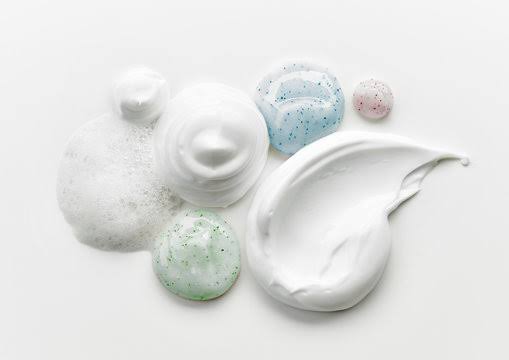
The Aesthetic of Hair Product Textures: How Texture Shapes Your Private Label Hair Care Brand
The Aesthetic of Hair Product Textures: How Texture Shapes Your Private Label Hair Care Brand
When people think about the aesthetic of a hair care product, they often think about the bottle, label, colour palette, photography, and logo. But there is another visual element that can have just as much impact on how a product is perceived: the texture inside the bottle or jar. From rich creams and glossy gels to lightweight sprays, whipped mousses, translucent serums, and fine powders, hair product textures can become an important part of your brand identity.
For a private label hair care brand, texture is more than a formulation characteristic. It can influence the way a product looks in photography, how it appears when demonstrated on social media, what customers expect before using it, and how premium or functional the product feels. A visually distinctive texture can also make an ordinary product category more interesting and give your content team another way to communicate what makes your range different.
This is especially important as hair care continues to become increasingly visual. Customers discover products through websites, Instagram, TikTok, online marketplaces, salon recommendations, product photography, and short-form video. Before someone ever opens a bottle, they have already formed an impression based on what they see.
That makes the aesthetic of your product texture worth considering from the beginning of your private label product development process.
What Is Hair Product Texture Aesthetic?
Hair product texture aesthetic refers to the visual appearance and physical character of a hair care formulation. It includes characteristics such as thickness, opacity, shine, smoothness, flow, consistency, density, and how the product behaves when poured, pumped, sprayed, scooped, spread, or worked through the hair.
A shampoo may have a translucent, pearlescent, creamy, or clear appearance. A conditioner may look rich and dense, while a leave-in treatment may have a lightweight cream or lotion-like consistency. A styling gel may appear glossy and transparent. A curl cream may have a smooth, soft texture designed to visually communicate moisture and manageability. A texture powder may look almost weightless and fine.
None of these characteristics exist independently from the brand. The texture becomes part of the product experience and can reinforce the positioning you are trying to create.
For a private label brand, the goal is not simply to choose a texture that looks attractive. The goal is to choose a product texture that makes sense for the function of the product, the customer you are targeting, the packaging format, and the overall visual identity of your brand.
Why Product Texture Matters for a Hair Care Brand
Hair care is an unusually tactile category. Customers want to understand how a product will feel in their hands, how it will distribute through their hair, whether it will feel lightweight or rich, and what kind of finish it is likely to create.
Even when customers cannot physically test a product before purchasing, brands can use visual content to communicate some of these characteristics.
A close-up photograph of a smooth cream being spread across a surface can suggest softness and conditioning. A glossy gel captured under studio lighting can communicate shine and hold. A fine powder suspended in the air can suggest volume and texture. A lightweight mist photographed as a fine spray can communicate ease and freshness.
This creates an opportunity for private label brands to use formulation aesthetics as part of their marketing strategy.
The texture can become a visual asset rather than simply something hidden inside the packaging.
1. Cream Textures: Rich, Soft, and Conditioning
Cream-based hair products are among the easiest textures to associate with conditioning, softness, moisture, and manageability. Their visual appearance can range from lightweight lotions to dense creams depending on the formulation.
Cream textures work particularly well for products such as curl creams, leave-in conditioners, smoothing treatments, styling creams, and conditioning masks.
From a visual perspective, cream textures can photograph beautifully. A smooth scoop or ribbon of product against a clean background can create a premium editorial image. When paired with minimalist packaging, neutral colours, and soft lighting, the texture can make the product feel sophisticated and considered.
For a brand targeting customers who want a moisturising or conditioning experience, the appearance of a creamy texture can reinforce that positioning before the customer has even used the product.
How to Use Cream Texture in Branding
- Show the product being scooped from a jar.
- Use macro photography to capture the smooth surface of the formulation.
- Show the product being spread between the hands.
- Use close-up photography alongside ingredient imagery.
- Demonstrate how the product distributes through the hair.
The key is to make the visual representation consistent with the actual product experience. A luxurious-looking cream should still deliver a formulation experience that makes sense for its intended use.
2. Glossy Gel Textures: Definition, Hold, and Shine
Gel is another texture with a strong visual identity. Glossy, transparent, translucent, or lightly coloured gels can communicate styling, definition, control, and shine.
The visual quality of gel can be especially useful for styling products. When photographed under controlled lighting, a gel can create highlights and reflections that make the formulation look highly dimensional.
This makes gel textures particularly suitable for social media content. A close-up video showing the product being scooped, stretched, applied, or distributed between the hands can communicate consistency much more effectively than a static product photograph.
For a private label brand, this means the formulation itself can help create content.
Instead of relying entirely on lifestyle photography, you can build content around the product experience. A simple shot of the texture can become a website image, social media post, product demonstration, advertisement, or educational video.
3. Lightweight Serums: Sleek and Modern
Serums often have a very different visual language from rich creams and gels. Many are lightweight, smooth, glossy, and fluid. Their appearance can communicate precision, simplicity, and a more treatment-focused positioning.
For hair care brands positioned around smoothing, shine, frizz control, scalp care, or finishing, a serum texture can contribute to a modern and refined aesthetic.
The way a serum moves is particularly important visually. A slow-moving drop photographed on glass or a clean surface can create a premium editorial effect. A small amount of product catching light can communicate gloss without requiring a large amount of formulation in the image.
Serums can therefore work well with minimalist packaging and sophisticated branding.
4. Mousses and Foams: Airy and Voluminous
Mousse and foam textures create a completely different visual impression. Their lightweight, expanded appearance can suggest volume, movement, softness, and effortless styling.
The texture itself can become part of the product demonstration. Showing a controlled amount of foam being dispensed into the hand gives customers an immediate visual reference for how the product behaves.
For volume-focused products, this is particularly useful because the visual appearance of the formulation can reinforce the purpose of the product.
A private label hair care brand can also use foam textures to create a more playful or editorial visual identity. Depending on the packaging and photography style, the same basic texture can appear luxurious, professional, youthful, minimalist, or salon-focused.
5. Sprays and Mists: Lightweight and Effortless
Spray products are interesting because the texture is not always visible once the product has been dispensed. Instead, the visual experience comes from the spray pattern, droplets, mist, and movement.
Products such as shine sprays, detangling sprays, leave-in conditioners, styling sprays, hairsprays, and volume mists can all benefit from strong visual demonstrations.
High-speed photography or carefully lit video can capture a spray cloud or individual droplets in the air. This can create striking advertising imagery while communicating that the product is lightweight and easy to apply.
For private label brands, the spray format also provides an opportunity to differentiate the product experience through packaging. The bottle, actuator, spray pattern, and product texture should work together to create a cohesive experience.
6. Powders: Fine, Dry, and Textural
Powder products have perhaps one of the most distinctive visual identities in hair care. Unlike creams, gels, and serums, powders communicate dryness, separation, texture, lift, and volume.
A fine powder can look almost architectural when photographed correctly. Small particles can create movement and dimension, particularly in macro photography.
Texture powders can therefore become excellent content products. A photograph showing the powder being dispensed onto the roots can visually demonstrate its purpose. A close-up of the powder itself can create a sense of craftsmanship and formulation detail.
For brands targeting salon professionals, stylists, barbers, or customers interested in styling performance, this type of visual communication can be particularly effective.
7. The Difference Between Texture and Finish
Texture and finish are related, but they are not the same thing.
Texture describes the physical consistency and behaviour of the formulation. Finish describes the result that the product creates in the hair.
For example, a styling cream may have a smooth, dense texture while producing a natural finish. A serum may be lightweight and fluid while creating a glossy finish. A hairspray may be dispensed as a fine mist while producing a firm finish.
Understanding this distinction is important when developing your brand messaging.
Customers may care about both what a product feels like during application and what their hair looks and feels like afterward. Your photography and product descriptions should therefore communicate both sides of the experience.
8. Texture Can Help Communicate Product Performance
A product's visual texture can give customers clues about how they might use it, although the texture should never be treated as proof of a specific performance claim.
A rich cream may visually suggest a conditioning experience. A fine mist may suggest lightweight application. A dense gel may suggest a more substantial styling product. A powder may suggest dry texture and volume.
This makes texture a useful storytelling tool.
Instead of simply telling customers what a product does, your content can show them what the product looks and feels like during use.
For private label brands, that can make product pages more informative and make social content more engaging.
9. Texture and Packaging Should Work Together
The bottle or container you choose should make sense for the formulation inside it.
A thick cream may work naturally in a jar, tube, or pump depending on its viscosity. A fine mist requires a suitable spray mechanism. A styling powder needs packaging that allows controlled dispensing. A shampoo or conditioner needs a format that is practical for repeated use.
Packaging is therefore not simply an aesthetic decision.
The packaging format affects how customers interact with the product, how easily they can dispense it, and how the texture is presented during use.
When developing a private label range, consider the relationship between formulation, packaging, label design, and product photography as one complete system.
10. Texture Can Become Part of Your Brand's Photography Style
One of the biggest opportunities for private label brands is using product texture to create a recognisable visual language.
Imagine a brand that consistently photographs smooth creams against warm stone surfaces. Another brand might use transparent gels against bright white backgrounds. Another might use dramatic macro photography of powders, droplets, and sprays.
The products themselves become visual content.
This is particularly valuable for brands building an online presence because social media requires a continuous stream of visual material. Texture photography can provide another category of content alongside product shots, lifestyle imagery, ingredient photography, tutorials, testimonials, and educational content.
11. Why Macro Photography Works So Well for Hair Products
Macro photography allows a small amount of formulation to become visually significant.
A tiny amount of cream can fill an entire image. A single drop of serum can become a sculptural element. A small amount of gel can create reflections and highlights. Powder particles can become almost abstract.
This gives brands a way to create premium imagery without needing complicated scenes.
For a luxury or minimalist private label brand, macro texture photography can be especially effective because it allows the formulation to become the hero of the image.
It can also create consistency across an entire product range. Different formulations can be photographed using the same background, lighting direction, composition, and visual treatment, while their individual textures provide differentiation.
12. Texture Is Especially Important for Online Product Pages
When customers shop online, they cannot pick up the product or test it in a store. Photography and video therefore have to do more of the communication work.
A product page that only shows the outside of the bottle may leave customers with questions. What does the product look like? Is it thick or lightweight? Does it foam? Is it clear? Is it creamy? Does it dispense as a mist?
Texture imagery can help answer these questions.
A strong product page can combine a clean hero product photograph with a texture image, application image, lifestyle photograph, and short demonstration video.
This creates a more complete product story.
13. Texture Can Influence Perceived Product Value
Perceived value is influenced by many elements, including packaging, branding, photography, formulation experience, communication, and the overall presentation of the product.
Texture can contribute to that perception because customers interact with the formulation directly.
A well-presented texture can make a product feel considered and intentional. This does not mean that a particular texture is inherently more premium than another. Instead, the product should feel coherent with the positioning of the brand.
A professional salon-focused styling product may need to communicate performance and control. A luxury hair treatment may need to communicate care and refinement. A playful styling range may use colour, movement, and distinctive textures to create a different experience.
The important point is consistency.
14. Don't Choose a Texture Simply Because It Looks Good
While visual appeal matters, formulation decisions should always begin with product purpose.
The product needs to perform its intended function, work appropriately with the packaging, and provide a suitable user experience. The visual appearance should support those characteristics rather than replace them.
For example, a brand should not select a formulation solely because it photographs beautifully if the texture is unsuitable for the intended application.
A good private label development process considers function first, then explores how the formulation's physical characteristics can support the brand's aesthetic.
15. Creating a Cohesive Texture Story Across a Product Range
If you are launching several products, think about how the textures relate to one another.
A complete hair care collection might include a creamy shampoo, rich conditioner, lightweight leave-in treatment, glossy serum, styling cream, spray, and powder.
Each product has a different texture because each product serves a different purpose. However, your branding can still make the collection feel cohesive.
You might use the same photography background, consistent lighting, similar bottle shapes, a unified colour palette, and a repeated macro photography style.
This creates a visual system.
The result is a product range where individual formulations feel distinct while still belonging to the same brand.
16. Texture Can Help Differentiate Your Private Label Brand
Private label does not have to mean visually generic.
A manufacturer may provide established formulations, but the way you position, package, photograph, describe, and market those products can create a distinctive brand identity.
Texture is one of the elements you can use to create that distinction.
Rather than relying exclusively on colour or packaging, you can build a visual identity around the physical characteristics of your products.
This can be especially useful when operating in crowded categories such as shampoo, conditioner, styling products, curl care, smoothing products, and finishing products.
17. How to Plan Texture Content Before Launch
If you are preparing to launch a private label hair care brand, consider your texture content before the products arrive.
Create a list of the textures you expect across your range and decide how each one will be photographed or filmed.
For example:
- Shampoo: product flowing from the bottle or photographed as a glossy pool.
- Conditioner: rich cream texture shown in a scoop or ribbon.
- Curl cream: smooth cream distributed between the hands.
- Serum: individual drops captured under controlled lighting.
- Hairspray: fine mist photographed during application.
- Mousse: foam dispensed into the hand.
- Texture powder: fine powder shown during controlled application.
Planning this in advance can help you build a consistent library of content rather than creating product photography one item at a time without an overall visual direction.
18. Use Texture to Tell the Product Story
A strong product image does more than show what the product looks like. It communicates an idea.
A smooth cream can tell a story about softness. A fine mist can communicate lightness. A glossy serum can communicate shine. A foam can communicate volume and movement. A powder can communicate texture and control.
The product texture becomes part of the language of the brand.
When combined with strong copy, clear packaging, and consistent photography, this can make a product range easier for customers to understand.
19. Consider Texture When Naming Products
Texture can also influence the way you name and describe products.
Names should primarily communicate the product's purpose and positioning, but texture can help support the language surrounding the product.
Words such as cream, mist, serum, foam, gel, powder, balm, spray, polish, and treatment immediately create different expectations.
This is why product naming should align with what the customer will actually experience.
A clear product name combined with a concise texture description can make a product easier to understand on an ecommerce website.
20. Building a Premium Hair Care Aesthetic Through Consistency
Premium branding is rarely created by one individual design element. It comes from consistency across multiple touchpoints.
Your bottle should feel consistent with your label. Your label should feel consistent with your website. Your photography should feel consistent with your social media. Your product descriptions should match the actual user experience.
Texture can connect all of these elements.
When the physical product experience, photography, packaging, and messaging tell the same story, the brand feels more intentional.
For a private label business, this is one of the most valuable ways to move beyond simply putting a logo on an existing product. You are creating a complete product identity.
How Brandology Labs Can Help With Your Private Label Hair Care Range
Building a hair care brand involves much more than choosing a bottle and adding a label. The formulation, product format, packaging, branding, artwork, photography, pricing, and launch strategy all contribute to the final customer experience.
At Brandology Labs, we help businesses create private label hair care products that can be developed into a cohesive branded range. Whether you are starting with a small selection of products or planning a broader collection, the goal is to create products that fit your brand and your target customer.
From shampoos and conditioners to styling products and finishing products, your range can be planned around the needs of your market and the aesthetic direction of your brand.
You can explore the available private label hair care products and consider which product formats make sense for your collection.
Brandology Labs also provides support for businesses looking to build their own branded product ranges, including packaging and artwork considerations. This makes it possible to approach product development as a complete brand experience rather than treating manufacturing, packaging, and marketing as completely separate processes.
Final Thoughts: Your Product Texture Is Part of Your Brand
When developing a private label hair care brand, it is easy to focus heavily on the visible parts of the product, such as the bottle, logo, label, colour palette, and photography.
But the formulation itself is also part of the brand experience.
The way a shampoo flows, the richness of a conditioner, the smoothness of a styling cream, the gloss of a serum, the lightness of a mist, the structure of a foam, or the fineness of a powder can all contribute to how customers understand and experience your products.
That does not mean choosing formulations based purely on aesthetics. Product function, customer needs, packaging compatibility, quality, and the intended user experience should remain central to development.
However, once those fundamentals are established, the aesthetic qualities of your product textures can become powerful marketing assets.
For a private label brand competing in a crowded hair care market, that visual storytelling can help your products become more memorable. Texture can give your photography more dimension, your social media more content opportunities, and your product pages a more complete story.
Most importantly, it can help create a connection between what your customers see and what they experience when they finally use the product.
Your brand is not just the logo on the bottle. It is the complete experience surrounding the product, and texture is part of that experience.
Frequently Asked Questions
What is hair product texture?
Hair product texture refers to the physical consistency and appearance of a hair care formulation. Examples include creams, gels, serums, foams, sprays, mists, and powders. Texture can influence how a product looks, feels, dispenses, and applies.
Why is product texture important for a private label hair care brand?
Texture can influence the user experience and provide visual material for product photography, demonstrations, advertising, and social media. It can also support the overall positioning of a product when it aligns with its intended function.
Can hair product textures be used in marketing?
Yes. Texture can be photographed or filmed in close-up to show how a product looks and behaves. Creams, gels, serums, foams, sprays, and powders can all create different visual opportunities for ecommerce and social media content.
Should I choose a hair product based on its appearance?
Appearance can be one consideration, but it should not be the only factor. Product function, intended customer, formulation characteristics, packaging compatibility, and overall user experience should be considered when developing a private label hair care product.
How can texture make a hair care brand look more premium?
A consistent approach to texture photography, packaging, lighting, product demonstrations, and visual storytelling can help create a polished brand presentation. The goal is to make the formulation, packaging, and brand positioning feel coherent.
What hair products have visually interesting textures?
Creams, gels, serums, mousses, foams, sprays, mists, and powders can all create distinctive visual content. The best texture depends on the product's intended function and the experience the brand wants to communicate.
Ready to Build Your Private Label Hair Care Brand?
Your product's texture is only one part of creating a successful hair care range. The right formulations, packaging, branding, and manufacturing partner can help bring the complete concept together.
Explore Brandology Labs' private label hair care collection or contact our team to start discussing your product range.
Read more
How to Brand Your Beauty Products for Maximum Shelf Appeal Branding plays a critical role in the success of any beauty product. In a competitive market where consumers are surrounded by...
Salon owners, hairstylists and professional beauty businesses already have something that many new hair care brands spend years trying to build: customer trust. Every day, salon professionals recom...