
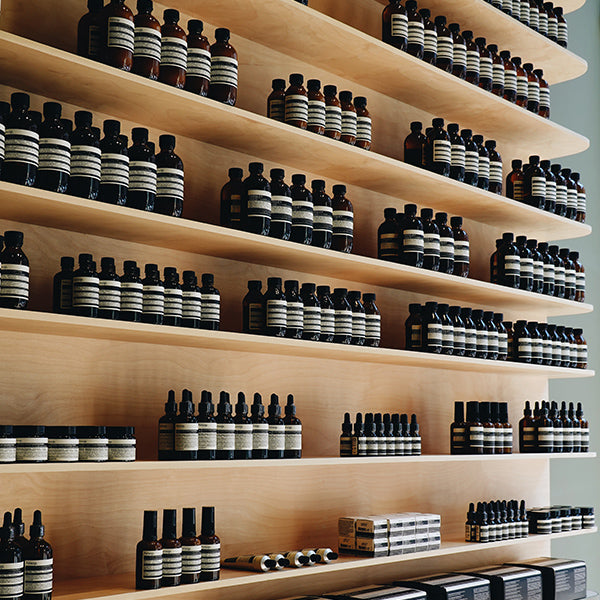
How to Brand Your Beauty Products for Maximum Shelf Appeal
How to Brand Your Beauty Products for Maximum Shelf Appeal
Branding plays a critical role in the success of any beauty product. In a competitive market where consumers are surrounded by thousands of options, strong branding helps your products stand out, build trust, and attract loyal customers.
Whether you are launching a skincare line, hair care collection, cosmetics brand, or wellness products, understanding how to brand your beauty products effectively can determine how customers perceive your products. A product with strong branding instantly communicates professionalism, quality, and value.
In retail environments and online marketplaces, customers often make purchasing decisions within seconds. Your packaging, messaging, colors, and overall brand presentation must quickly capture attention and communicate the benefits of your product.
This guide explains how to brand your beauty products for maximum shelf appeal, helping you create packaging and messaging that attracts customers, builds recognition, and increases product sales.
Why Branding Matters in the Beauty Industry
The beauty industry is one of the most visually driven industries in the world. Consumers frequently choose products based on how they look and how they make them feel before they even experience the product itself.
When customers walk into a retail store or browse an online shop, they are presented with many similar products. Branding helps your products differentiate themselves from competitors.
Strong beauty product branding can:
- Build instant brand recognition
- Communicate product benefits clearly
- Create emotional connections with customers
- Increase perceived product value
- Encourage repeat purchases
Branding is particularly important for private label beauty products. When multiple brands may offer similar formulations, the brand identity and packaging design become the primary reasons customers choose one product over another.
A well-branded product also builds trust. When packaging looks professional and consistent, customers are more likely to believe the product is high quality and effective.
How to Brand Your Beauty Products Successfully
Successful beauty brands rarely happen by accident. They are the result of thoughtful planning, clear strategy, and strong visual design.
The following steps can help you create beauty product branding that improves shelf appeal and attracts customers.
Define Your Brand Identity
Before designing labels or choosing packaging, you need to clearly define your brand identity. Your brand identity is the foundation that guides all design decisions.
Ask yourself the following questions:
- Who is your target audience?
- What problem does your product solve?
- What values does your brand represent?
- How should customers feel when they see your products?
For example, some beauty brands focus on luxury and elegance, while others emphasize clean ingredients, sustainability, or professional performance.
When your brand identity is clearly defined, every visual element—from packaging colors to typography—can support that identity.
Consistency is essential. A strong brand identity ensures customers recognize your products instantly across different retail environments.
Design Packaging That Stands Out
Packaging design is often the first interaction a customer has with your product. In many cases, it determines whether a customer picks up your product or walks past it.
When designing packaging, consider these important elements:
- Clean and professional label design
- High quality packaging materials
- Clear product descriptions
- Readable typography
- Strong visual hierarchy
Your packaging should quickly communicate what the product is, what it does, and why it is valuable.
For example, if your product is designed for hydration, anti-aging, or hair repair, that benefit should be immediately visible on the label.
Minimalist packaging has become increasingly popular because it communicates sophistication and clarity.
Choose Colors That Reflect Your Brand
Color psychology plays an important role in beauty product branding. Different colors evoke different emotional responses from consumers.
Examples include:
- White and soft neutrals represent purity and simplicity
- Black often communicates luxury and sophistication
- Green suggests natural or botanical ingredients
- Pink may represent softness, beauty, and femininity
- Gold or metallic tones create a premium feel
The most important rule is consistency. Your color palette should be consistent across packaging, website design, marketing materials, and social media.
Consistent color use helps customers instantly recognize your brand.
Use Clear and Benefit Driven Messaging
Customers want to quickly understand what a product does and how it benefits them.
Your packaging should clearly communicate:
- The primary function of the product
- Key ingredients or product features
- Who the product is designed for
For example, instead of simply labeling a product "Shampoo," you might say:
Strengthening Shampoo for Damaged Hair
This type of messaging immediately communicates value and encourages customers to learn more about the product.
Focus on Shelf Impact
Shelf appeal refers to how well a product attracts attention when displayed alongside competing products.
Retail shelves are crowded environments, so your product must stand out quickly.
Design strategies that improve shelf appeal include:
- Bold product names
- Strong contrast in colors
- Clear label layouts
- Minimal visual clutter
- Distinctive packaging shapes
A well-designed product should communicate its value within seconds.
Create a Cohesive Product Range
Many successful beauty brands launch collections rather than single products. A cohesive product range increases brand visibility and encourages customers to purchase multiple items.
For example, a skincare brand might launch:
- Facial cleanser
- Hydrating toner
- Vitamin C serum
- Moisturizing cream
When these products share consistent branding and packaging, they create a stronger presence both online and on store shelves.
Invest in Professional Label Design
Professional label design can significantly improve the perception of your products.
Experienced designers understand how to:
- Create balanced layouts
- Optimize typography for readability
- Ensure labels meet regulatory requirements
- Align visual design with brand positioning
While it may require an initial investment, professional design can elevate your brand and increase customer confidence.
Additional Strategies to Improve Beauty Product Branding
Beyond packaging and colors, several additional strategies can help strengthen your beauty brand.
Tell a Brand Story
Customers connect with brands that have meaningful stories. Your brand story might include the inspiration behind your products, your commitment to sustainability, or your dedication to high-quality ingredients.
Storytelling helps customers feel emotionally connected to your brand.
Highlight Key Ingredients
Modern beauty consumers often look for specific ingredients when selecting products.
Highlighting ingredients such as hyaluronic acid, vitamin C, botanical extracts, or peptides can attract customers who are searching for targeted skincare benefits.
Use Consistent Brand Voice
Your brand voice should remain consistent across packaging, websites, and marketing materials.
Whether your brand voice is professional, luxurious, natural, or playful, maintaining consistency strengthens brand recognition.
Common Branding Mistakes to Avoid
Even high-quality beauty products can struggle if branding is poorly executed.
Overcomplicated Packaging
Too much text or excessive design elements can overwhelm customers. Simplicity often creates stronger visual impact.
Inconsistent Branding
Using different colors, fonts, or design styles across products weakens brand identity.
Unclear Product Positioning
Customers should immediately understand what the product is and how it benefits them.
Poor Quality Packaging Materials
Low-quality packaging can reduce perceived product value, even if the formula itself is excellent.
Final Thoughts
Learning how to brand your beauty products effectively is one of the most important steps in building a successful beauty brand.
Strong branding improves shelf appeal, increases perceived product value, and helps customers recognize and trust your products.
By focusing on brand identity, packaging design, color psychology, and clear messaging, you can create beauty products that stand out in competitive retail environments.
When branding is done well, it transforms products into recognizable brands that customers remember and return to again and again.
Frequently Asked Questions
Why is branding important for beauty products?
Branding helps beauty products stand out in a crowded market. Strong branding builds trust, improves shelf appeal, and makes it easier for customers to recognize your products.
What makes beauty product packaging attractive?
Attractive packaging typically includes clean design, readable typography, high quality materials, and clear messaging that communicates product benefits.
How do I create a beauty brand identity?
Creating a brand identity involves defining your target audience, brand values, visual style, and the unique benefits your products deliver.
Can small businesses successfully launch beauty brands?
Yes. Many successful beauty brands started as small businesses. With strong branding, high quality formulations, and effective marketing strategies, smaller brands can compete successfully.
Read more
Choosing the right private label cosmetics manufacturer can shape almost every part of your beauty brand. From the products you are able to sell and the packaging customers see to your minimum orde...
When people think about the aesthetic of a hair care product, they often think about the bottle, label, colour palette, photography, and logo. But there is another visual element that can have just...