
How to Choose the Right Private Label Cosmetics Manufacturer for Your Brand
How to Choose the Right Private Label Cosmetics Manufacturer for Your Brand
Choosing the right private label cosmetics manufacturer can shape almost every part of your beauty brand. From the products you are able to sell and the packaging customers see to your minimum order quantities, production timelines, pricing, and ability to scale, your manufacturing partner plays an important role in turning a brand concept into a real business.
For entrepreneurs entering the beauty industry, private label manufacturing can provide a practical way to launch professional cosmetics without investing in their own laboratory, manufacturing equipment, filling machinery, or production facility.
Instead, you can work with an established manufacturer that already has the infrastructure and experience required to produce your products. This allows you to concentrate on the parts of the business that build your brand, including your identity, positioning, marketing, sales, customer experience, and distribution.
However, choosing a private label cosmetics manufacturer should involve more than finding the lowest product price. Different manufacturers can offer very different product ranges, minimums, packaging options, customization, support, production capabilities, and levels of communication.
The right manufacturer for one cosmetics brand may not be the right manufacturer for another. Your ideal partner depends on your products, target customer, budget, launch strategy, expected order quantities, and long-term goals.
What Is a Private Label Cosmetics Manufacturer?
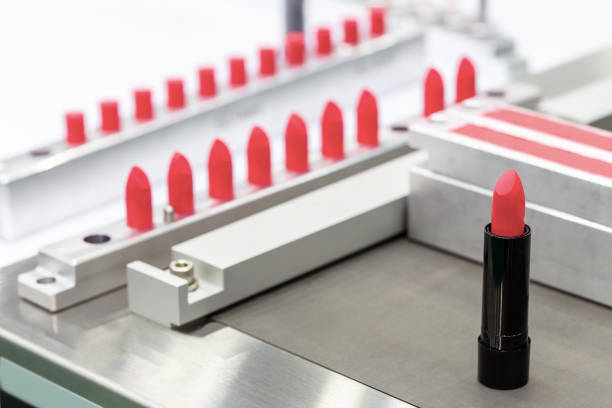
A private label cosmetics manufacturer produces beauty and cosmetic products that businesses can sell under their own brand names and packaging.
Rather than developing every formula and manufacturing every product yourself, you can select products from a manufacturer's existing range and build your own brand around them.
For example, an entrepreneur could choose a selection of cosmetic or personal care products, develop a brand identity, select packaging, create labels, and sell the finished products under their own company name.
The manufacturer remains responsible for the manufacturing side of the process, while the brand owner focuses on creating demand and building the business.
This model can be particularly useful for entrepreneurs who have strong ideas for a beauty brand but do not want to establish a manufacturing operation before testing their concept in the market.
Why Your Choice of Manufacturer Matters
Your manufacturer becomes part of your supply chain, which means its capabilities can have a direct effect on your business.
Suppose you find a manufacturer with a product that looks perfect but requires an order quantity that is much larger than you can comfortably afford. The product may be suitable, but the manufacturing relationship may not be practical for your current stage.
Alternatively, you may find a manufacturer with attractive prices but limited packaging options. If your brand depends heavily on a distinctive premium presentation, that limitation could affect your entire launch.
Communication is another important consideration. Delays in artwork approvals, packaging decisions, samples, or production updates can affect your launch schedule.
This is why it is useful to evaluate the manufacturer as a complete business partner rather than treating manufacturing as a simple purchasing decision.
1. Start With Your Brand Strategy
Before comparing manufacturers, define what you are trying to build.
A manufacturer cannot be evaluated properly if you do not know what your brand needs.
Start by identifying your target customer. Are you creating products for everyday consumers, professional makeup artists, salons, beauty enthusiasts, retailers, influencers, or a particular demographic?
Next, think about your desired price positioning. Do you want your products to sit at an accessible price point, in the premium market, or somewhere in between?
Your positioning can influence your choice of packaging, product selection, order quantities, and manufacturing requirements.
You should also think about the type of brand you want to become. A business planning to sell one hero product has different manufacturing needs from a company intending to develop a large cosmetics collection.
Having this basic strategy in place makes it easier to identify manufacturers that fit your business.
2. Examine the Manufacturer's Product Range
The first practical step is to examine the manufacturer's available product catalogue.
Look beyond one product that catches your attention. Consider whether the manufacturer has enough relevant products to support the type of brand you want to create.
For example, if you are building a cosmetics brand, you may eventually want to expand beyond your initial launch products. A manufacturer with a broader beauty portfolio could make future expansion easier.
A strong product range can also help you create a more cohesive collection.
Instead of selecting products simply because they are available, think about how each product fits into the customer journey and the overall brand concept.
Your product assortment should have a reason for existing. Customers should be able to understand what your brand offers and why the products belong together.
3. Understand the Difference Between Private Label and Custom Formulation
One of the most important questions to ask a manufacturer is whether it offers private label products, custom formulation, or both.
Private label generally means choosing from formulas that the manufacturer has already developed and made available for branding.
Custom formulation involves developing a product according to a brand's specific requirements.
Private label can make the launch process more straightforward because you are starting with an existing formula rather than developing a product from the beginning.
Custom formulation can provide more flexibility when your brand needs something particularly specific, such as a certain texture, ingredient profile, sensory experience, or product concept.
Neither approach is automatically right for every business.
For a new entrepreneur, private label can provide a way to test a concept before making a larger investment in custom development. As the brand grows, custom formulation may become relevant for specific products where differentiation is strategically important.
4. Ask About Minimum Order Quantities
Minimum order quantities, or MOQs, should be one of the first things you discuss with a private label cosmetics manufacturer.
The MOQ determines how many units you need to purchase for a production run.
This matters because inventory represents capital. If you order more products than you can realistically sell, your money is tied up in stock.
For a new brand, manageable minimums can make it easier to test products and learn from actual customer demand.
However, do not assume that an advertised MOQ tells you everything you need to know.
Ask whether the minimum applies to each individual product, each size, each colour or shade, each fragrance, or the total order.
5. Consider Your Initial Inventory Carefully
Choosing your first order quantity requires a balance between having enough inventory and avoiding unnecessary stock.
Ordering too little could leave you unable to fulfil demand if a product performs well. Ordering too much can create storage costs and tie up capital.
Your initial order should therefore be based on realistic assumptions about your launch audience, marketing activity, sales channels, and expected demand.
If you are launching through your own website, your initial sales volume may be different from a brand that already has retail distribution.
This is another reason why accessible manufacturing minimums can be useful for emerging brands.
6. Evaluate Packaging Options
Packaging is one of the most important visual elements of a cosmetics brand.
Before choosing a manufacturer, find out what packaging options are available.
Depending on the products, these could include bottles, tubes, jars, pumps, compacts, droppers, boxes, labels, and different sizes or finishes.
Packaging needs to achieve more than looking attractive. It needs to be appropriate for the product, practical for the customer, and compatible with the manufacturing process.
Think about how the product will be stored, transported, displayed, photographed, and used.
If your brand is positioned as premium, packaging can become a major part of the perceived value of the product.
A well-designed label and carefully selected container can help an existing private label formula feel like a cohesive part of your own brand.
7. Ask About Label and Artwork Support
Not every entrepreneur has experience preparing packaging artwork for manufacturing.
Ask whether your manufacturer provides artwork guidance, label templates, design services, or other packaging support.
This can reduce errors and make the approval process easier.
It is also important to understand exactly what the manufacturer needs from you before production can begin.
You may need to supply approved artwork, brand assets, product information, packaging selections, or other specifications.
Understanding these requirements early can prevent unnecessary delays later.
8. Look at the Manufacturer's Quality Processes
Product quality is central to your brand reputation.
When evaluating a manufacturer, ask how quality is managed throughout the manufacturing process.
Depending on the product, relevant areas may include raw material controls, production processes, batch information, product specifications, testing, packaging checks, and finished product evaluation.
You should also ask what product information and documentation is available for the products you are considering.
The exact documentation required can depend on the product and the market where it will be sold.
A professional manufacturer should be able to explain its processes clearly and tell you what information is available to support your brand.
9. Understand Cosmetic Regulatory Responsibilities
Selling cosmetics means understanding the rules that apply to your products and the markets where you sell them.
Requirements can vary by country and product category.
Depending on where you operate, you may need specific information on labels, ingredient declarations, warnings, directions, responsible parties, product claims, and other requirements.
Your manufacturer can provide important product information, but do not assume that the manufacturer automatically takes responsibility for every aspect of your brand's compliance.
Before selling your products, understand the requirements that apply to your business and your target markets.
This is particularly important when creating marketing claims. Product descriptions should accurately represent the intended use and characteristics of the product.
10. Ask About Samples
Never underestimate the value of sampling.
A product can look excellent in a catalogue and still not be the right fit for your brand once you experience it yourself.
Use samples to evaluate the product's appearance, texture, application, fragrance where relevant, packaging functionality, and overall customer experience.
You can also use samples when developing your product photography and testing your packaging presentation.
If you are considering several products, sampling can help you narrow down your launch range before committing to larger production quantities.
11. Evaluate Communication Before You Place an Order
The way a manufacturer communicates before you become a customer can provide useful insight into what the relationship may be like later.
Are questions answered clearly?
Are pricing and minimums explained?
Do you know who you are speaking to?
Are timelines communicated realistically?
Can the manufacturer explain the next steps?
These details matter because launching a product involves many moving parts.
You want a manufacturing relationship where expectations are clear and questions can be addressed efficiently.
12. Understand the Full Production Process
Ask the manufacturer to explain what happens from the moment you select your products until your finished order is ready.
The process may involve several stages, including product selection, sampling, packaging selection, artwork, approvals, production, filling, labeling, quality checks, packing, and shipping.
Understanding the sequence can help you identify where you need to make decisions and where delays could occur.
It also makes it easier to create a realistic launch plan.
A product launch should not be scheduled based solely on an estimated manufacturing time. You should consider the entire process from initial product selection through to inventory arriving at your business.
13. Consider Your Total Cost of Manufacturing
Unit price is important, but it is not the only cost that matters.
When calculating your budget, consider:
- Product manufacturing cost
- Packaging
- Labels
- Artwork or design
- Samples
- Custom development where applicable
- Shipping
- Storage
- Import duties or taxes where applicable
- Website costs
- Photography
- Marketing
This gives you a more realistic picture of what it will cost to bring your product to customers.
It also helps you calculate a selling price that accounts for your complete business model rather than simply adding a markup to the manufacturing cost.
14. Check Whether the Manufacturer Can Scale With You
Your manufacturing requirements can change as your brand grows.
You might begin with a relatively small launch and eventually need significantly larger production quantities.
Before choosing a manufacturer, ask whether it can accommodate increased demand.
This does not mean you need to know exactly how large your business will become. It simply means you should consider whether your manufacturing partner has the capabilities to support your expected growth.
A scalable relationship can reduce the need to search for a completely new manufacturer when your business begins increasing its order volumes.
15. Look at More Than Your First Product
A common mistake when choosing a manufacturer is focusing entirely on the first product you want to launch.
Instead, think about your potential product roadmap.
If your first product succeeds, what could you launch next?
Could you add complementary cosmetics? Could you expand into skincare, body care, hair care, or other personal care categories?
A manufacturer with broader capabilities may give your brand more opportunities to expand within one manufacturing relationship.
This can be particularly valuable when you are building a long-term brand rather than a single-product business.
16. Make Sure the Products Fit Your Brand Positioning
A product should make sense for the customer you are targeting.
If you are creating a premium cosmetics brand, you may want products and packaging that support a sophisticated presentation.
If you are targeting professional beauty businesses, you may prioritize product formats and packaging designed for professional environments.
If your brand is focused on accessibility, you may need a different product assortment and price structure.
This is why choosing a manufacturer should happen alongside your brand strategy.
The goal is not simply to find products you can sell. The goal is to find products that make sense for the brand you are building.
17. Think About Your Sales Channels
Where you plan to sell your products should also influence your manufacturing decisions.
An ecommerce-first brand may prioritize attractive packaging, manageable shipping dimensions, strong product photography, and an assortment that works well online.
A brand targeting retailers may need to think more carefully about packaging presentation, shelf presence, wholesale margins, case quantities, and inventory requirements.
A brand selling directly through salons or professional beauty businesses may have different requirements again.
Tell your manufacturer how you intend to sell your products so you can make better decisions about packaging and order quantities.
18. Avoid Choosing a Manufacturer Based Only on Price
Price will always matter, but the lowest quoted unit cost does not necessarily represent the lowest overall cost to your business.
Consider the complete value of the manufacturing relationship.
A manufacturer may offer support with product selection, packaging, artwork, minimums, or other elements of the launch process.
Another manufacturer may offer a lower unit price but require substantially larger order quantities or provide fewer packaging choices.
Compare the entire offering rather than one number.
19. Questions to Ask a Private Label Cosmetics Manufacturer
Before committing to a manufacturer, create a checklist and ask the same core questions to each potential supplier.
- What private label cosmetics do you currently offer?
- Which products are ready for private labeling?
- Do you offer custom formulation?
- What are your minimum order quantities?
- Does the MOQ apply per product or per variant?
- Can I order samples before production?
- What packaging options are available?
- Can I use my own packaging?
- Do you provide labels and packaging?
- Do you offer design or artwork support?
- What information do you need before production?
- What is the typical production timeline?
- What quality processes are in place?
- What product documentation is available?
- Can you support larger orders as my business grows?
- What costs are included in the quoted price?
- What costs are charged separately?
- How are production updates communicated?
- Who will be my main point of contact?
- What happens if there is an issue with an order?
The answers will give you a much clearer picture of whether the manufacturer is suitable for your business.
20. Prepare Before Contacting a Manufacturer
You do not need to have every detail of your business finalized before contacting a manufacturer.
However, having a basic plan will make the conversation more productive.
Prepare a short description of your brand concept and target customer.
Identify the products you are interested in and estimate how much you might want to order initially.
If you already have a brand name, logo, colour palette, packaging preferences, or website, have those available as well.
It is also useful to know where you intend to sell your products because manufacturing and labeling considerations can vary depending on the market.
The more information you can provide, the easier it becomes for a manufacturer to tell you what is possible.
21. Build a Focused First Product Range
You do not necessarily need to launch with a huge catalogue.
A focused range can make it easier to manage inventory, develop marketing content, create product photography, and communicate your brand message.
Choose products that complement each other and appeal to the same customer.
For example, rather than launching a collection of unrelated products, you could build a range around a specific cosmetics category or beauty routine.
As your brand gains traction, you can use customer feedback and sales data to determine where to expand.
22. Think About the Long-Term Customer Experience
A successful cosmetics brand is about more than getting products manufactured.
Customers experience your brand through every interaction, from discovering you on social media to visiting your website, opening the package, using the product, and deciding whether to purchase again.
Your manufacturer is responsible for an important part of that experience, but your brand controls many other elements.
Your product descriptions should be clear. Your photography should accurately represent your products. Your packaging should be consistent with your identity. Your customer service should be reliable.
When these elements work together, the manufacturing process becomes part of a larger brand experience.
How Brandology Labs Can Help
At Brandology Labs, we help entrepreneurs and businesses bring their own branded beauty and personal care products to market through private label manufacturing.
Our goal is to make the process more accessible for businesses that want to create professional products without building their own manufacturing operation.
Depending on your product requirements, we can help you explore available products, packaging options, branding considerations, and the steps involved in moving toward production.
Brandology Labs works across multiple categories, including cosmetics, hair care, skincare, body care, tattoo care, and pet grooming.
This gives growing brands opportunities to expand their product portfolio as their business develops.
Whether you are starting your first beauty brand or adding a new product category to an existing business, having a manufacturing partner that understands your goals can simplify the process.
Private Label Cosmetics Can Help Turn an Idea Into a Real Product
Many entrepreneurs have great ideas for beauty brands but assume they need their own laboratory or manufacturing facility before they can get started.
Private label manufacturing changes that equation.
By working with an established manufacturer, you can access existing product formulas and manufacturing capabilities without having to build an entire production operation yourself.
That does not eliminate the work involved in building a successful business. You still need a clear brand, strong positioning, good marketing, customer service, appropriate pricing, and a strategy for reaching your audience.
But it can make the product side of the business more accessible.
Final Thoughts
Choosing a private label cosmetics manufacturer is one of the most important decisions you will make when launching your beauty brand.
The right manufacturing relationship can give you access to products, packaging, production capabilities, and support that would otherwise require significant investment to establish yourself.
However, the right manufacturer is not simply the one with the cheapest product.
Look at the complete picture. Consider the product range, minimum order quantities, packaging, customization, quality processes, documentation, production timeline, communication, pricing, and scalability.
Most importantly, make sure the manufacturer fits your business strategy.
A new entrepreneur may need accessible minimums and straightforward private label products. An established brand may need larger-scale production, more customization, and additional product development capabilities.
Your manufacturing requirements will also change as your business grows.
By taking the time to choose carefully, you can create a manufacturing relationship that supports your brand today while giving you room to develop your product range tomorrow.
Frequently Asked Questions
What is a private label cosmetics manufacturer?
A private label cosmetics manufacturer produces cosmetic and beauty products that businesses can sell under their own brand names and packaging.
How do I choose a private label cosmetics manufacturer?
Compare manufacturers based on product selection, minimum order quantities, packaging options, customization, quality processes, documentation, production timelines, communication, pricing, and scalability.
What is the difference between private label and custom cosmetics?
Private label generally involves selecting an existing formula from a manufacturer's range, while custom cosmetics involve developing a formula according to specific product requirements.
What should I ask a cosmetics manufacturer before placing an order?
Ask about minimum order quantities, samples, packaging, formula options, production timelines, quality processes, documentation, costs, design support, and the manufacturer's ability to support future growth.
Can I create my own cosmetics brand without a manufacturing facility?
Yes. Private label manufacturing allows businesses to sell professionally manufactured cosmetics under their own branding without operating their own manufacturing facility.
How many products should I launch with?
There is no universal number. A focused collection can be easier to manage when starting out, particularly when you are testing your brand and learning which products resonate with your customers.
Can a private label cosmetics manufacturer help with packaging?
Many manufacturers offer packaging options and may also provide support with labels, artwork, or other elements of the packaging process. Available services vary between manufacturers.
Is private label cosmetics suitable for a new business?
Private label can be a practical option for new businesses because it allows them to access existing products and manufacturing capabilities without establishing their own production facility.
Can I expand my private label cosmetics range later?
Yes. Many brands begin with a focused collection and expand their product range as their business grows. Working with a manufacturer that offers multiple beauty and personal care categories can make future expansion easier.
Ready to Build Your Cosmetics Brand?
Brandology Labs helps entrepreneurs and businesses turn product ideas into professionally branded beauty and personal care products. Explore private label manufacturing and start building your own cosmetics line.
Start Your BrandRead more
The tattoo industry has grown beyond the tattoo appointment itself. Today, tattoo artists, studios, creators, and entrepreneurs have opportunities to build businesses around the complete tattoo exp...
How to Brand Your Beauty Products for Maximum Shelf Appeal Branding plays a critical role in the success of any beauty product. In a competitive market where consumers are surrounded by...