
Private Label Hair Care for Salons: How to Turn Your Expertise Into Your Own Product Line
Private Label Hair Care for Salons: How to Turn Your Expertise Into Your Own Product Line
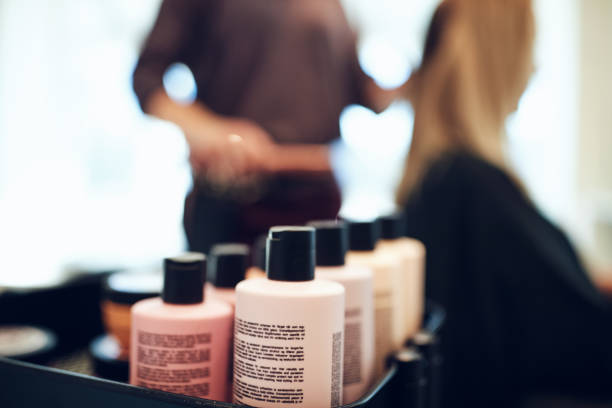
Salon owners, hairstylists and professional beauty businesses already have something that many new hair care brands spend years trying to build: customer trust. Every day, salon professionals recommend shampoos, conditioners, styling products and treatments based on their experience with real clients and real hair. Private label hair care creates an opportunity to take that professional knowledge and turn it into a branded product line of your own.
Instead of only recommending products from established companies, a salon can develop a collection under its own brand name. That collection can be sold in the salon, through an online store, through social media, or through other retail channels.
For salon owners considering their next stage of growth, private label manufacturing can provide a way to move beyond services and build an additional product-based revenue stream.
The process does not necessarily require owning a manufacturing facility or developing every formulation from scratch. With the right private label manufacturing partner, businesses can select products, develop their branding, choose packaging, create labels and prepare a collection for market.
What Is Private Label Hair Care?
Private label hair care is a manufacturing model that allows a business to sell hair care products under its own brand. Instead of manufacturing the products independently, the business works with a manufacturer that produces the products.
The finished products can then be presented as part of the salon's own collection, with the salon's branding, packaging and positioning.
Depending on the manufacturer and the type of product being developed, private label hair care may include products such as shampoos, conditioners, styling creams, hairsprays, texture sprays, serums, leave-in treatments, mousses, powders and other professional hair care products.
This model can be particularly attractive to salons because it allows the business to build a branded product range without taking on the infrastructure associated with operating its own manufacturing facility.
Why Salons Are Well Positioned to Launch Hair Care Products
A salon already operates close to the customer.
Stylists see how clients' hair behaves, what concerns they have, which products they enjoy using and which products they are willing to purchase. They also understand the language customers use when talking about their hair.
That knowledge can be extremely valuable when deciding what products to launch.
A salon does not necessarily have to guess what its customers want. It can use conversations, consultations, repeat purchases and everyday professional experience to identify opportunities.
Your salon experience can become product-development insight. The questions customers ask, the styling routines your team performs and the products your clients repeatedly request can all help inform the direction of your private label hair care range.
1. Start With Your Existing Customer
Before choosing products, look at the customers who already visit your business.
Consider the types of hair you work with most frequently. Do your clients primarily want smoothing products? Are they interested in curl definition? Do they ask for volume? Are they looking for products that support a particular styling routine?
You can also look at the services that generate the most interest.
For example, a salon known for blowouts may have an opportunity to build a collection around preparation, heat styling, smoothing and finishing. A salon specialising in textured hair may build a range around cleansing, conditioning, curl definition and moisture. A barbering business could explore styling products designed around hold, texture and finishing.
The product range should make sense for the customer base you already understand.
2. Identify Problems Your Product Range Can Solve
Successful product ranges usually have a clear purpose.
Instead of starting with the question, "What products can I sell?", start with the question, "What do my customers need?"
This changes the way you approach product development.
If customers frequently ask how to maintain a salon hairstyle at home, your product range could focus on helping them recreate part of that experience. If clients struggle with detangling, frizz, styling hold or maintaining curls, those needs can influence the products you consider.
The objective is not to create a huge collection immediately. It is to create a useful collection that has a clear reason for existing.
3. Build Around Your Salon's Expertise
Your professional expertise can become one of the strongest foundations of your product brand.
A salon that specialises in a particular service or hair type already has a story to tell. The product range can extend that expertise into the customer's home routine.
This can also make your marketing more authentic.
Instead of positioning yourself as another company selling generic hair products, your content can focus on the techniques and knowledge your salon already provides.
You can demonstrate how products are used, explain styling routines, educate customers about hair care and show how professionals incorporate products into their work.
Your product line becomes an extension of your salon experience.
4. Decide Which Products to Launch First
One of the most common mistakes new product brands make is trying to launch too many products at once.
A salon does not necessarily need ten or twenty products to establish a private label range.
A smaller launch can be easier to understand, easier to merchandise, easier to photograph and easier to explain to customers.
A focused launch might include a shampoo, conditioner and one or two styling products. Another business may decide to launch a styling-focused collection consisting of products such as a light hold hairspray, firm hold hairspray, texture spray and styling powder.
The right starting range depends on your customers, positioning and sales strategy.
Questions to Ask Before Choosing Your First Products
- Which products do customers already ask my salon for?
- Which products do my stylists use most frequently?
- Which products naturally fit my salon's expertise?
- Which products can be demonstrated easily?
- Which products could encourage repeat purchases?
- Which products make sense together as a collection?
- Can my team confidently educate customers about each product?
5. Think About the Customer's At-Home Routine
A salon visit may last an hour or several hours, but the customer spends much more time at home.
That creates an opportunity for a product line to extend the salon relationship beyond the appointment.
Think about what happens after a client leaves your salon.
What products do they need the next morning? What do they need before styling? What could help them maintain the result of their appointment? What products could simplify their routine?
Answering these questions can help you build products around a real customer journey rather than simply creating a collection of unrelated items.
6. Create a Product Range That Feels Like a Brand
A group of products becomes a brand when the products feel connected.
That connection can come from packaging, naming, colour, typography, photography, product positioning and the overall customer experience.
For example, if you are launching a salon hair care collection, your shampoo, conditioner and styling products should look like they belong together even if each product has a different purpose.
This consistency helps customers recognise your products when they see them on a salon shelf, website or social media feed.
Private label manufacturing gives you the opportunity to create that visual system around products manufactured for your business.
7. Packaging Is Part of the Product Experience
Packaging is often the first physical interaction a customer has with a product.
The bottle shape, colour, pump, cap, label and overall presentation contribute to how the product is perceived.
For salons, packaging should also be practical.
Products may be displayed on retail shelves, used at styling stations, placed in bathrooms or taken home by customers. The format should therefore work within the environments where the products will actually be used.
A professional-looking collection does not necessarily need complicated packaging. In many cases, a clean and consistent design can create a strong result.
8. Your Label Should Communicate Clearly
Once you have selected your products and packaging, your label becomes one of the most important communication tools.
Customers should be able to quickly understand what the product is and what it is designed for.
The front of the label can establish the product name and brand identity, while the rest of the packaging can provide relevant product information and usage details.
Avoid trying to communicate everything through the front label. A clean hierarchy usually makes products easier to understand.
Your branding should also remain consistent across the entire collection.
9. Use Your Stylists as Product Educators
One of the biggest advantages a salon has over a typical new ecommerce hair care brand is direct access to professionals.
Your stylists can demonstrate the products during appointments and explain how they fit into a customer's routine.
This creates a natural opportunity for product education.
Instead of simply placing a bottle on a retail shelf and expecting customers to purchase it, your team can demonstrate how much product to use, where to apply it, how to layer products and when to use it within a routine.
Professional recommendations can also make the retail experience more useful.
10. Demonstration Content Can Become Your Marketing Strategy
Salon professionals are already creating content every day.
Hair transformations, styling tutorials, before-and-after content, product demonstrations and educational videos can all become marketing opportunities for your own product range.
When your own products are integrated naturally into this content, customers can see how they are used in a professional environment.
For example, a stylist could create a short video showing how they prepare hair before styling, demonstrate a texture spray, or explain how to use a finishing product.
This type of content can be more informative than simply photographing the bottle.
11. Build Your Product Brand Around Expertise
A salon-owned hair care brand does not need to compete solely on packaging.
It can compete through expertise.
Your salon can create educational content explaining why certain products are used, how different hair types may require different routines and how customers can achieve better results at home.
This educational approach can help turn the product line into part of a broader brand experience.
Your website could include tutorials, product guides, routine recommendations and educational articles. Your social media could demonstrate techniques. Your in-salon experience could reinforce the same information.
12. Consider Your Retail Environment
Where will customers discover your products?
If the products will primarily be sold inside the salon, consider how they will be displayed alongside your services.
If you plan to sell online, your product pages need to provide enough information for customers to understand the products without a stylist standing next to them.
If you plan to sell through both channels, the branding needs to work equally well in person and online.
This is another reason why a focused product range can be useful. A small collection is easier to merchandise and communicate consistently across multiple sales channels.
13. Think About Your Pricing Strategy
Your retail pricing needs to make sense for your target customer and your overall business model.
The cost of manufacturing is only one part of the calculation.
You should also consider packaging, labels, shipping, storage, marketing, sales commissions where applicable, payment processing and other business expenses.
Your products should also fit naturally alongside the price positioning of your salon.
A premium salon experience may require a different product presentation and pricing structure from a value-focused business.
Understanding these factors before ordering inventory can help you make more informed decisions about your first launch.
14. Understand Minimum Order Quantities
Minimum order quantities, often referred to as MOQs, are an important consideration when working with a private label manufacturer.
An MOQ refers to the minimum quantity of a product that you need to order.
For a salon launching its first collection, lower minimums can make it easier to test the market without committing to excessive inventory.
Before placing an order, ask your manufacturer about the minimum quantity for each product, whether different packaging options have different requirements, and whether products can be reordered in smaller quantities.
Understanding these details early can help you plan your launch budget more accurately.
15. Ask About Samples Before Committing to a Range
Samples are an important part of evaluating a product.
They give you an opportunity to experience the texture, scent, application, packaging and overall product experience before committing to a larger order.
For salon owners, samples can also be tested by the people who will actually use and recommend the products.
Your stylists may provide useful feedback about how a product behaves during professional use and how easy it is to explain to customers.
Customer feedback can also help identify whether the product fits the expectations created by your branding.
16. Choose a Manufacturer That Understands Your Goals
Your manufacturing partner becomes an important part of the product development process.
Look beyond the product catalogue and ask how the manufacturer supports businesses launching their own brands.
Important questions can include:
- What hair care products are available?
- What are the minimum order quantities?
- What packaging options are available?
- Can the manufacturer assist with artwork or labels?
- How does the sampling process work?
- What is the typical production process?
- What information is required before production begins?
- What support is available for new brands?
- How can the product range be expanded later?
The answers can help you understand whether the manufacturer is suitable for your business model.
17. Private Label Does Not Mean You Have to Look Generic
One misconception about private label products is that every brand using them has to look the same.
Your product's branding can completely change the way the finished collection is presented.
The same general product category can be positioned in very different ways depending on the brand identity, packaging, photography, product naming and marketing strategy.
A salon can therefore build a product collection that reflects its own personality.
Minimalist. Professional. Luxury. Modern. Playful. Editorial. Clinical. Natural. The visual direction depends on the business and its customer.
18. Think Beyond Your First Product Launch
Launching your first three or four products is only the beginning.
If the collection performs well, you may eventually want to introduce additional products that complement your existing range.
That could include new styling products, treatments, cleansing products, conditioning products or products designed for specific hair routines.
This is why it is useful to think about your brand architecture before launching.
Can the naming system accommodate new products? Can the packaging design expand? Does your visual identity work across different product formats? Can customers easily understand how new products fit into the existing collection?
Planning for expansion can help prevent the brand from becoming visually inconsistent as it grows.
19. Turn Your Salon Into a Product Brand
A salon already has many of the ingredients needed to build a product business.
You have professionals who understand hair. You have customers who trust your recommendations. You have a physical environment where products can be demonstrated. You have content opportunities through styling and education.
Private label manufacturing adds another piece to that model by giving you a way to create products under your own brand.
The result can be more than a retail shelf filled with bottles. It can become an extension of your salon's identity.
20. How Brandology Labs Supports Private Label Hair Care
Brandology Labs works with businesses looking to create and launch their own branded products across categories including hair care, cosmetics, skincare, tattoo care and pet grooming.
For businesses interested specifically in hair care, the product range includes options across cleansing, conditioning and styling categories.
The goal is to make it possible for businesses to build a branded product collection without having to establish their own manufacturing operation.
You can explore the Brandology Labs private label hair care collection to see the types of products available for your range.
For salons and hairstylists, the opportunity is particularly relevant because your existing expertise can help determine which products make sense for your customers and how those products should be positioned.
From your first product selection through packaging and branding, the objective is to create a collection that feels like an authentic extension of your business.
21. A Simple Roadmap for Launching Your Salon Hair Care Brand
If the idea of launching your own hair care line feels complicated, breaking the process into stages can make it easier to manage.
- Define your customer. Identify the people you want your product range to serve.
- Identify their needs. Look at the questions, problems and routines you encounter in your salon.
- Select your first products. Start with a focused collection that makes sense together.
- Research your manufacturer. Understand products, MOQs, packaging, sampling and production.
- Test your products. Use samples and gather professional feedback.
- Develop your branding. Create a visual identity that reflects your salon.
- Plan your packaging. Make sure the packaging works both visually and practically.
- Prepare your content. Photograph products and create demonstrations before launch.
- Train your team. Make sure stylists understand how to use and explain the products.
- Launch and learn. Track which products customers purchase and use that information when planning future products.
This approach allows the product line to develop around your business instead of becoming a separate project disconnected from your salon.
Final Thoughts
For salon owners and hairstylists, private label hair care can create an opportunity to turn professional expertise into a branded product business.
You already understand your customers. You know the questions they ask, the styling challenges they experience and the products they use in their routines. That knowledge can become the foundation for a focused product range.
The most successful approach is not necessarily to launch the largest collection. It is to create a collection that makes sense for your customer, your expertise and your brand.
Choose products with a clear purpose. Consider your packaging carefully. Understand your manufacturing costs and minimums. Test your products before committing to inventory. Train your team to become product educators. Then use your salon's existing expertise and customer relationships to introduce the products naturally.
A private label hair care range can become an extension of what your salon already does best.
Your salon creates the experience. Your stylists provide the expertise. Your brand brings that experience into the customer's home.
Ready to Create Your Own Hair Care Brand?
Brandology Labs helps businesses create private label hair care products and build branded product ranges. Explore our hair care collection to discover products that could fit your salon or professional hair care business.
Explore Private Label Hair Care
Ready to discuss your product range? Contact Brandology Labs to get started.
Frequently Asked Questions
Can a salon create its own private label hair care brand?
Yes. Salons can work with private label manufacturers to develop branded hair care products without operating their own manufacturing facility. The exact process, products, packaging options and minimum order quantities depend on the manufacturer.
What hair care products can salons sell under their own brand?
Depending on the manufacturer, salons may be able to create products such as shampoos, conditioners, styling creams, hairsprays, texture sprays, mousses, serums, powders and other hair care products.
How many products should a salon launch with?
There is no universal number. A focused collection of a few complementary products can be easier to launch, explain and manage than a large collection. The ideal starting range depends on the salon's customers, expertise, budget and sales strategy.
What is an MOQ in private label hair care?
MOQ stands for minimum order quantity. It is the minimum number of units a manufacturer requires a business to purchase for a particular product or order.
Can salon stylists help promote a private label product range?
Yes. Stylists can demonstrate products during appointments, explain how to use them and create educational content around professional styling routines. This can make product education a natural part of the salon experience.
Does private label hair care require a salon to have its own factory?
No. Private label manufacturing allows businesses to work with a manufacturer that produces the products on their behalf. The business can then sell the finished products under its own brand, subject to applicable regulatory and business requirements.
Can I sell my salon's private label products online?
Yes. A salon can potentially sell its private label products through an ecommerce website and other appropriate sales channels. Online sales should be supported by clear product information, professional photography, usage instructions and appropriate product claims.
How can I make my salon hair care brand look professional?
A consistent brand identity, high-quality packaging, clear product naming, professional photography, cohesive labels and useful product education can help create a polished presentation. Consistency across your salon, website and social media is also important.
Read more
When people think about the aesthetic of a hair care product, they often think about the bottle, label, colour palette, photography, and logo. But there is another visual element that can have just...
The hair care market continues to create opportunities for businesses that want to develop their own branded products. From everyday cleansing and conditioning to styling, texture, volume, smoothin...