
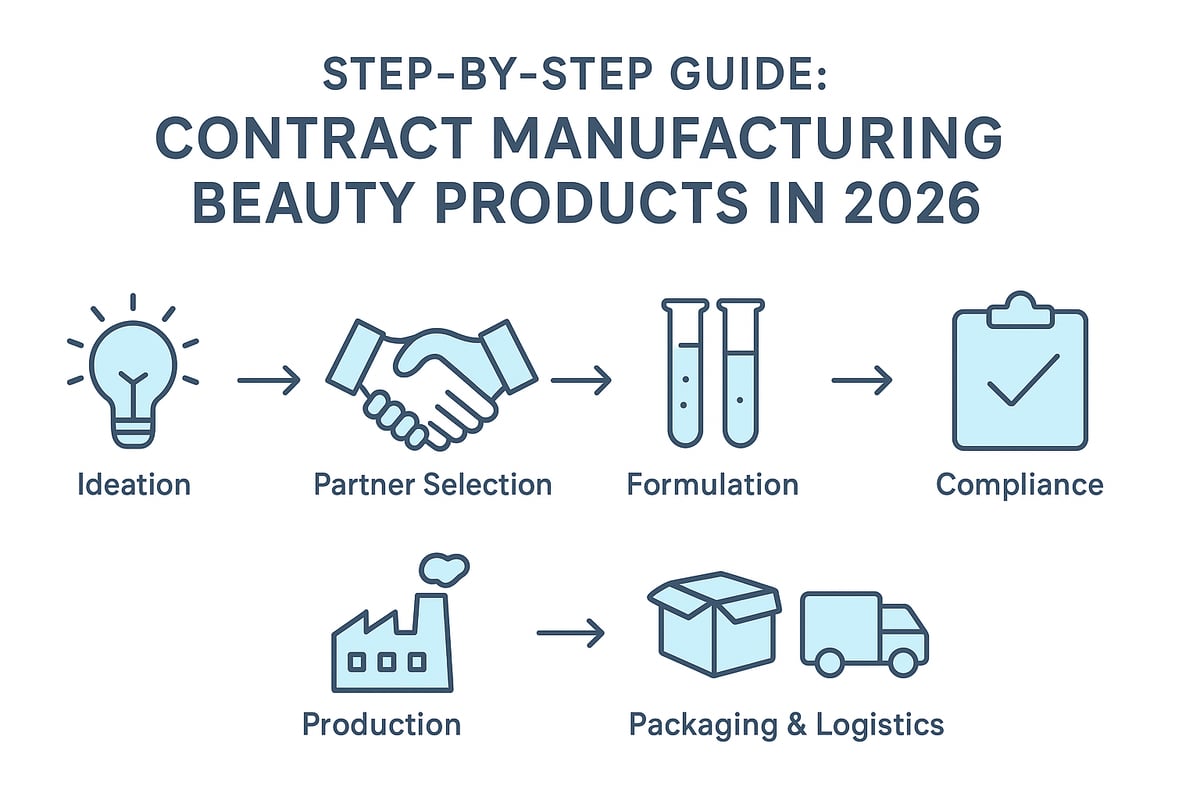
Step-by-Step Inside the Beauty Product Manufacturing Process
Step-by-Step Inside the Beauty Product Manufacturing Process
The beauty industry is one of the most innovative and competitive markets in the world. Every year thousands of new skincare, haircare, and cosmetic products enter the market, each promising unique benefits and transformative results. Behind every successful beauty product is a detailed and carefully managed manufacturing process that ensures the product is safe, effective, visually appealing, and compliant with industry regulations.
For entrepreneurs, beauty brands, and professionals entering the cosmetics space, understanding how the beauty product manufacturing process works is essential. A clear understanding of how products are created—from the earliest concept to final distribution—helps brands make better strategic decisions, maintain quality standards, and successfully launch products that meet customer expectations.
This comprehensive guide explains each stage of the beauty manufacturing journey. By understanding these steps, brands gain valuable insight into how professional laboratories transform creative ideas into high-performing products that are ready for retail shelves and online stores.
1. Concept Development & Product Planning


Every beauty product begins with an idea. The concept development stage is where brands define what the product will be, who it will serve, and how it will stand out in a crowded market. This stage lays the foundation for every decision that follows, including formulation, packaging, pricing, and marketing.
During concept development, brands carefully identify their target audience. Understanding whether the product is intended for teenagers, professionals, sensitive skin users, or luxury consumers shapes the entire development process. For example, a product designed for acne-prone skin will require very different ingredients and textures compared to a luxury anti-aging serum.
- Target audience: age, skin type, hair type, lifestyle
- Product purpose: hydration, anti-aging, cleansing, volumizing
- Texture and finish preferences: cream, gel, oil, matte, glossy
- Ingredient goals: natural, organic, vegan, clinical, hypoallergenic
- Price point positioning: luxury, mid-range, or affordable
- Packaging style and user experience: dropper, pump, jar, tube
Brands that invest time in this stage often achieve stronger product-market alignment. Instead of launching generic products, they create solutions tailored to specific consumer needs and preferences. A well-defined concept also ensures that marketing campaigns, packaging design, and brand messaging remain consistent across all channels.
2. Research & Ingredient Selection
After the concept is finalized, the next step involves researching and selecting the ingredients that will make up the formula. Cosmetic chemists analyze various raw materials and determine how each ingredient contributes to the final product’s effectiveness, stability, and sensory experience.
Ingredient selection is a critical stage because the quality of raw materials directly affects product performance. High-quality ingredients help ensure better absorption, smoother texture, longer shelf life, and greater customer satisfaction.
- Performance goals: how the product delivers on promises
- Skin or hair compatibility: suitability for sensitive or specific types
- Stability requirements: shelf-life longevity and resilience to heat/light
- Safety standards: avoiding allergens, irritants, or prohibited substances
- Regulatory compliance: ensuring ingredients are allowed in target markets
Modern beauty consumers are increasingly interested in ingredient transparency. Many brands now emphasize botanical extracts, clinically proven actives, and sustainable sourcing practices. As a result, manufacturers often work with certified suppliers that provide documentation verifying ingredient origin, safety, and quality.
This research phase also involves evaluating ingredient compatibility. Some ingredients interact positively to enhance results, while others may reduce stability or effectiveness when combined. Cosmetic chemists carefully design formulas to ensure all ingredients work harmoniously together.
3. Formulation & Lab Development


Formulation is where science meets creativity. During this stage, cosmetic chemists begin developing the product in the laboratory by combining ingredients in specific ratios. The goal is to create a formula that delivers the intended results while maintaining stability, safety, and sensory appeal.
- Desired texture (cream, gel, oil, serum)
- Optimal stability under various conditions
- Proper absorption and effectiveness
- Fragrance, color, and overall sensory experience
- Compatibility with other products in a line
Formulation rarely happens in a single attempt. Instead, chemists create several prototypes and refine them based on testing and brand feedback. Small adjustments to ingredient concentrations can significantly influence texture, viscosity, and performance.
Brands often review multiple samples before selecting the final formula. This collaborative process ensures the finished product aligns with the brand’s expectations for quality, feel, and functionality.
4. Testing & Quality Assurance
Before any beauty product enters full production, it must undergo extensive testing. These tests ensure that the product remains stable, safe, and effective throughout its shelf life.
- Stability testing under heat, cold, and light exposure
- Microbial testing to prevent contamination
- Packaging compatibility tests to ensure no chemical interactions
- Safety and hypoallergenic testing
- Performance testing to confirm promised benefits
Testing protects both the brand and the consumer. Products that fail stability tests may separate, change color, or lose effectiveness over time. Microbial testing ensures the formula remains free from harmful bacteria or mold.
Thorough quality assurance also reduces the risk of product recalls and negative customer experiences. Brands that prioritize rigorous testing demonstrate commitment to safety, reliability, and professional standards.
5. Packaging Development


Packaging plays a powerful role in both product protection and brand perception. While many consumers initially notice packaging for its visual appeal, it also performs important functional tasks.
- Bottle, jar, or tube type
- Pump, dropper, or applicator style
- Label materials that resist moisture and oils
- Protective seals to maintain integrity
- Eco-friendly and recyclable materials
Packaging must protect the formula from contamination, air exposure, and environmental conditions. For example, airless pumps are often used for sensitive active ingredients that degrade when exposed to oxygen.
At the same time, packaging design contributes significantly to brand identity. Premium materials, thoughtful color schemes, and ergonomic applicators enhance the user experience and help products stand out in competitive markets.
6. Regulatory Compliance & Documentation
Beauty products must comply with strict regulations before they can be sold in many markets. Regulatory requirements vary by country but typically include ingredient documentation, safety assessments, and labeling guidelines.
- Ingredient documentation for transparency and safety
- Label compliance to meet legal standards
- Verification of claims (e.g., “anti-aging,” “dermatologist-tested”)
- Safety records and certificates
Manufacturers with regulatory expertise help brands navigate complex compliance processes. Proper documentation ensures that products meet safety standards and can be distributed internationally without legal complications.
7. Production & Filling


Once the formula and packaging are finalized, full-scale production begins. Industrial mixing equipment prepares large batches while maintaining the precise ratios developed during laboratory testing.
- Consistent batch quality
- Accurate filling levels for each container
- Optimized speed without sacrificing safety
- Efficient waste management and cost control
Automated filling systems ensure that each container receives the correct amount of product. Meanwhile, quality control teams monitor every stage of production to ensure consistency and compliance with established standards.
8. Final Inspection & Distribution
Before products leave the manufacturing facility, they undergo final inspection. This step confirms that each unit meets quality expectations and is ready for sale.
- Packaging defects
- Label accuracy and legibility
- Seal integrity and tamper evidence
- Batch consistency and quality markers
After approval, products are packaged into cartons, palletized, and prepared for distribution. Logistics teams coordinate delivery to warehouses, retailers, and fulfillment centers.
Efficient distribution ensures that products reach customers quickly while maintaining product integrity throughout the supply chain.
Why Understanding the Manufacturing Process Matters
Brands that understand the beauty product manufacturing process gain several strategic advantages. Knowledge enables better collaboration with laboratories, more accurate production timelines, and stronger quality control practices.
- Communicate effectively with labs and manufacturers
- Set realistic launch timelines
- Maintain strict quality control
- Reduce development costs and avoid delays
- Build stronger supplier relationships
- Educate teams about product performance and safety
Common Timeline for Beauty Product Manufacturing
Although timelines vary depending on product complexity, most beauty product development cycles follow a predictable structure.
- Concept & formulation: 2–6 weeks
- Testing & revisions: 4–8 weeks
- Packaging design and production: 4–6 weeks
- Full-scale manufacturing & filling: 2–4 weeks
Total average timeline: approximately three to five months from concept to finished product.
Final Thoughts
The beauty industry may appear glamorous on the surface, but behind every successful product lies a complex and carefully managed production journey. Understanding each stage of the beauty manufacturing process allows brands to develop products more efficiently while maintaining exceptional quality standards.
When brands collaborate closely with experienced manufacturers and chemists, they gain valuable insight into ingredient science, formulation techniques, and regulatory compliance. This knowledge not only improves product performance but also strengthens long-term brand credibility.
By approaching manufacturing strategically and thoughtfully, beauty entrepreneurs can successfully transform creative ideas into innovative products that consumers trust and love.
Read more
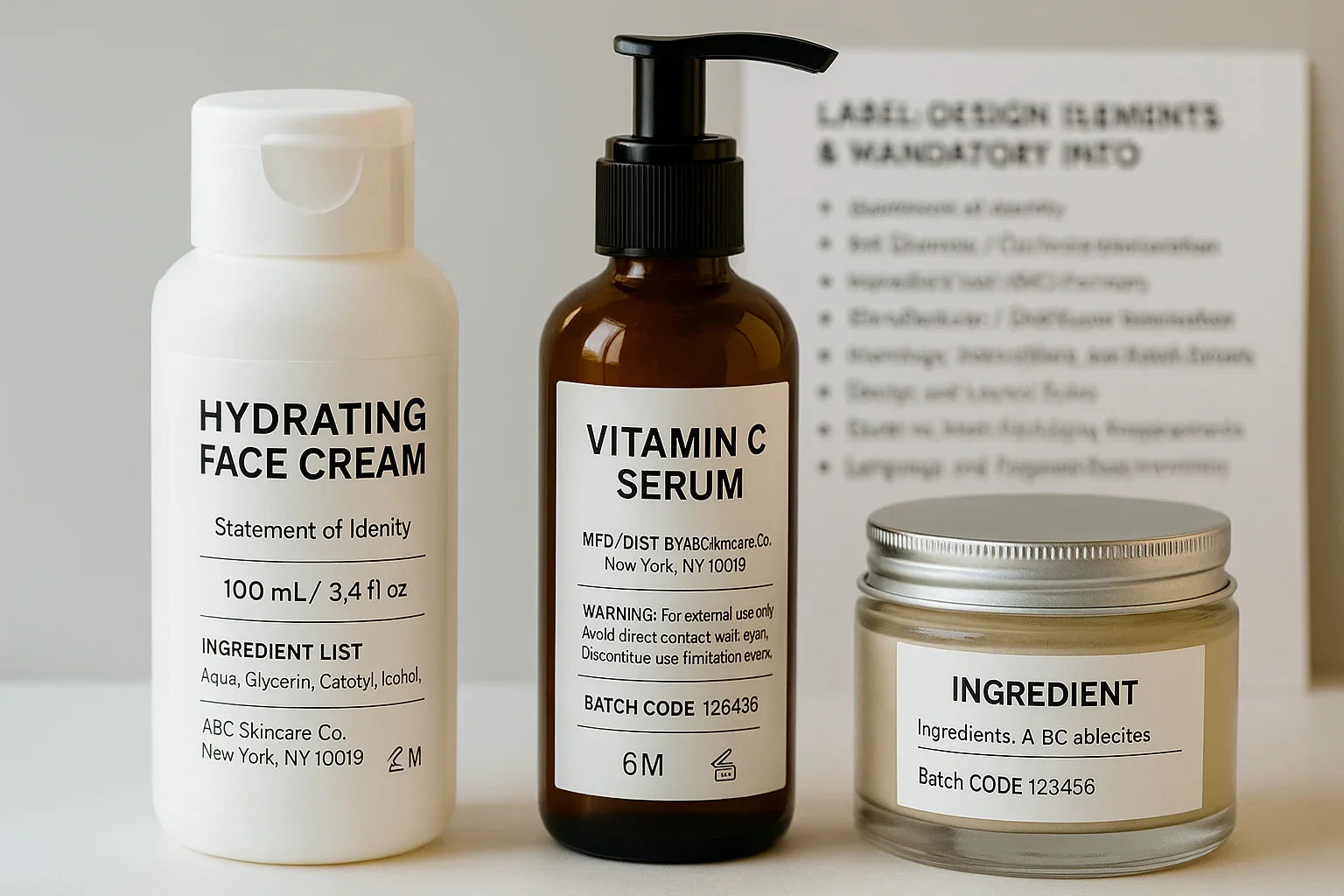
Launching a skincare brand involves more than developing great formulas and attractive packaging. Brands must also ensure their marketing and product messaging follow strict regulatory guidelines. ...
7 Essential Tips for Successfully Launching a Private Label Skincare Line Launching a skincare brand has become one of the most exciting opportunities in the beauty industry. With the r...