
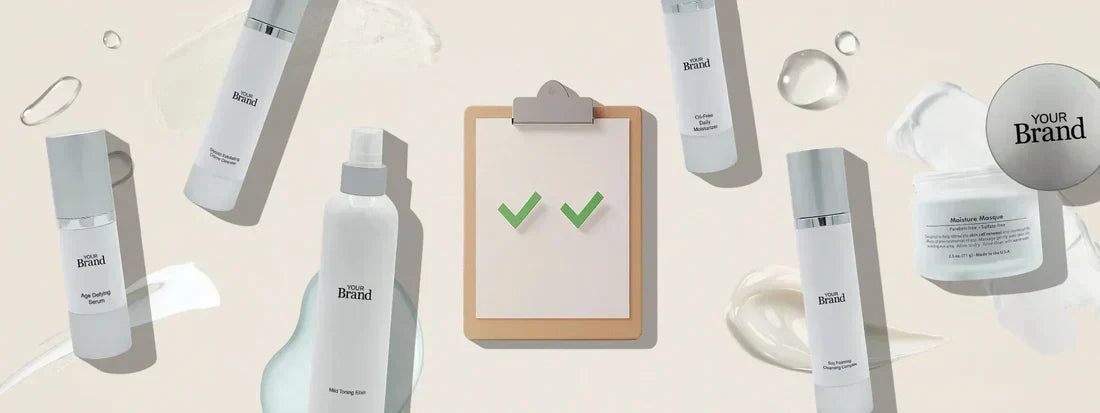
7 Essential Tips for Successfully Launching a Private Label Skincare Line
7 Essential Tips for Successfully Launching a Private Label Skincare Line
Launching a skincare brand has become one of the most exciting opportunities in the beauty industry. With the rise of e-commerce, social media marketing, and private label manufacturing, entrepreneurs now have more access than ever to develop professional skincare products and sell them directly to consumers.
However, building a successful skincare brand requires more than just choosing attractive packaging and trendy ingredients. Many new founders underestimate the amount of planning, research, and strategic decision-making involved in creating products that stand out in an extremely competitive market.
Private label skincare allows entrepreneurs to launch their own branded products using formulas developed by experienced manufacturers. This model significantly reduces development costs and allows founders to focus on branding, marketing, and customer relationships rather than laboratory research.
That said, success still depends on making smart decisions early in the process. From defining your niche and selecting high-quality formulas to ensuring regulatory compliance and building a compelling brand story, every step influences your long-term success.
In this guide, we share seven essential tips that can help entrepreneurs successfully launch a private label skincare line. These strategies will help you avoid common mistakes, build a stronger brand foundation, and create products customers truly trust.
1. Define Your Niche Before Choosing Products


One of the most common mistakes new skincare founders make is trying to create products that appeal to everyone. While it may seem logical to target a wide audience, the reality is that successful brands are built around a clear niche.
When your brand focuses on a specific customer group, it becomes much easier to design products, messaging, and packaging that resonate with that audience.
Before selecting your product line, define the following:
- Your target skin type (acne-prone, sensitive, aging, oily, etc.)
- Your brand positioning (clinical, luxury, natural, minimalist)
- Your ideal customer demographic
- Your brand values and mission
For example, a brand targeting sensitive skin may prioritize fragrance-free formulas and dermatologist-inspired packaging. Meanwhile, a luxury anti-aging brand may focus on premium ingredients, elegant packaging, and advanced formulations.
Defining your niche early allows you to make more strategic decisions and ensures your products speak directly to your intended audience.
2. Start With a Small Product Line
Many entrepreneurs feel pressure to launch with a large number of products, but this approach can create unnecessary complexity and higher startup costs.
Most successful skincare brands begin with a small, focused product lineup designed to address a specific skincare routine.
A typical starter lineup might include:
- Cleanser
- Moisturizer
- Serum
- SPF
- Treatment mask
Launching with fewer products offers several advantages. First, it allows you to focus your marketing efforts on a smaller range of products, making it easier to communicate their benefits clearly. Second, it reduces inventory risk and allows you to test customer demand before expanding your product catalog.
Once you have established brand recognition and gathered customer feedback, you can gradually introduce additional products that complement your core offerings.
3. Choose a Manufacturer With Proven Experience


Your private label manufacturer plays one of the most important roles in the success of your skincare brand. They are responsible for product formulation, manufacturing quality, compliance, and consistency.
Choosing the right partner ensures your products are safe, effective, and professionally produced.
Look for manufacturers that offer:
- Certified production standards
- Ingredient transparency
- Product testing and stability data
- Customization options
- Low minimum order quantities
An experienced manufacturer can also guide you through formulation choices, packaging compatibility, and regulatory requirements. This support is especially valuable for founders who are new to the beauty industry.
4. Prioritize Formula Quality Over Packaging
Beautiful packaging can attract customers initially, but product performance determines whether they return for repeat purchases.
Customers today are highly informed and expect skincare products to deliver visible results.
Focus on developing formulas that include:
- Effective active ingredients
- Stable formulations
- Skin-friendly pH levels
- Clinically supported ingredients
Products that genuinely improve skin health naturally generate positive reviews and word-of-mouth marketing, which is essential for long-term brand growth.
5. Understand Compliance & Labeling Rules


Skincare products must meet specific regulatory requirements depending on where they are sold. These regulations ensure product safety and prevent misleading claims.
Common compliance requirements include:
- Accurate ingredient labeling
- Approved cosmetic claims
- Batch tracking and documentation
- Safety assessments
Working with a manufacturer that understands regulatory compliance can help ensure your products meet legal requirements and avoid costly mistakes.
6. Build Your Brand Story Early
In today’s competitive beauty market, customers do not just buy skincare products — they buy brands they trust.
A strong brand identity creates emotional connections with customers and helps differentiate your products from competitors.
Your brand story should clearly communicate:
- Your mission and values
- Your product philosophy
- Your brand personality
- Your commitment to quality
When customers understand what your brand stands for, they are more likely to become loyal advocates.
7. Plan Your Marketing Before Production Ends
One of the biggest mistakes new skincare brands make is waiting until products arrive before thinking about marketing.
Instead, begin preparing your marketing strategy well before production finishes.
This preparation may include:
- Professional product photography
- Website and product page development
- Email marketing campaigns
- Influencer partnerships
- Social media content planning
Brands that prepare their marketing early often generate stronger launch-day sales and faster brand awareness.
Bonus Tip: Think Long-Term, Not Just Launch Day
Launching a skincare brand is only the first step. The most successful founders think about long-term growth from the very beginning.
Consider future opportunities such as:
- New product expansions
- Retail distribution
- Subscription programs
- Customer loyalty initiatives
When your brand strategy includes long-term planning, it becomes easier to scale operations and build lasting customer relationships.
Final Thoughts
Launching a private label skincare line is an exciting opportunity for entrepreneurs entering the beauty industry. With thoughtful planning and the right partnerships, founders can build professional brands that compete with established companies.
By defining your niche, focusing on product quality, working with experienced manufacturers, and preparing your marketing strategy early, you can significantly increase your chances of success.
The skincare market continues to grow each year, and consumers are always searching for brands that combine effective formulations with authentic brand values.
When you focus on delivering genuine value and building customer trust, your skincare brand has the potential to grow into a powerful and recognizable name in the beauty industry.
Read more
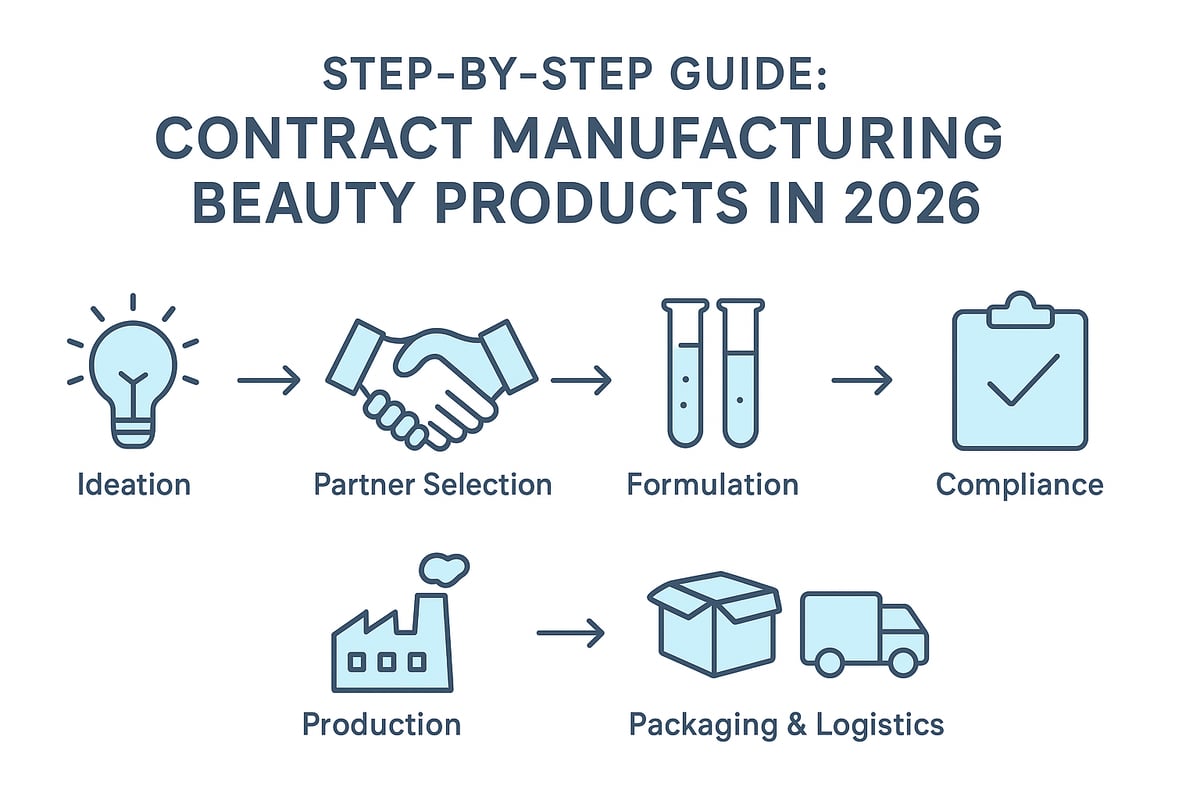
Understanding the beauty product manufacturing process is essential for any brand owner, entrepreneur, or business looking to enter the cosmetics industry. Whether you're launching skincare, makeup...

The home fragrance market continues to grow as consumers look for products that enhance their living spaces and create relaxing environments. For boutique retailers and lifestyle brands, developing...