
Skincare Product Claims & Compliance: What Every Brand Owner Must Know
Skincare Product Claims & Compliance: What Every Brand Owner Must Know
Launching a skincare brand involves more than developing great formulas and attractive packaging. Brands must also ensure their marketing and product messaging follow strict regulatory guidelines. Understanding skincare product claims compliance is essential for protecting your brand, building consumer trust, and avoiding costly legal issues.
The modern beauty industry is highly competitive and heavily regulated. Governments and regulatory agencies around the world monitor cosmetic products to ensure they are safe, accurately labeled, and marketed responsibly. When brands make exaggerated or unsupported claims, they risk regulatory action, consumer complaints, and long-term damage to their credibility.
Many new beauty brands unknowingly make claims that regulators consider misleading, unsubstantiated, or classified as medical claims. This guide explains the fundamentals of skincare product claims and compliance, including what claims are allowed, how to support them with evidence, and how brands can market products safely and responsibly.
Why Skincare Product Claims Compliance Matters


The skincare industry is heavily regulated to protect consumers from misleading or unsafe products. Authorities around the world require that cosmetic claims are truthful, evidence-based, and not misleading.
When brands exaggerate product benefits or imply medical results, regulators may classify the product differently or require additional approvals. Compliance is therefore not only a legal obligation but also an essential part of responsible brand management.
Failure to follow skincare product claims compliance rules can lead to:
- Product recalls
- Legal penalties or fines
- Advertising restrictions
- Loss of retailer partnerships
- Damage to brand reputation
For brands launching private label skincare products, compliance should be considered during formulation, packaging design, and marketing development. Building compliance into the early stages of product development helps prevent costly revisions later.
What Are Skincare Product Claims?
A skincare product claim is any statement that describes what a product does or the benefit it provides. Claims communicate the value of a product and help customers understand why they should choose it.
Claims may appear on:
- Product labels
- Packaging
- Marketing materials
- Websites and ecommerce listings
- Social media posts
- Advertising campaigns
Common cosmetic product claims include:

- “Hydrating moisturizer”
- “Improves skin texture”
- “Helps reduce the appearance of fine lines”
- “Brightening serum”
- “Nourishing skin cream”
These types of claims describe cosmetic benefits rather than medical outcomes, which generally keeps them within acceptable regulatory guidelines.
Cosmetic Claims vs Medical Claims
Cosmetic Claims
Cosmetic claims describe how a product affects the appearance or condition of the skin without implying medical treatment. These claims focus on beauty benefits such as hydration, smoothing, or radiance.
- Moisturizes skin
- Softens skin
- Improves skin appearance
- Enhances skin radiance
- Helps maintain healthy looking skin
Medical or Drug Claims
Medical claims describe treating, curing, or preventing a medical condition. These claims typically fall outside the definition of cosmetics and may require pharmaceutical regulation.
- Treats eczema
- Cures acne
- Heals skin infections
- Eliminates rosacea
- Repairs skin diseases
For most skincare brands, avoiding medical claims is essential for maintaining compliance and avoiding drug classification.
Substantiating Skincare Claims
Brands must be able to prove the claims they make about their skincare products. Regulators expect that companies possess evidence demonstrating that their marketing statements are truthful and supported by data.
Evidence supporting skincare claims may include:
- Laboratory testing
- Ingredient research
- Stability testing
- Consumer perception studies
- Clinical testing results
For example:
- A product claiming “improves skin hydration” should be supported by hydration testing or ingredient evidence.
- A claim such as “reduces the appearance of fine lines” may require consumer trials or instrument testing.
Documenting this evidence is essential. Brands should keep records of testing data and ingredient studies to support their marketing claims if regulators request verification.
Common Skincare Claims That Require Caution
Certain claims are closely monitored by regulators because they may imply medical benefits or require stronger evidence.
- Anti-aging claims
- Wrinkle reduction claims
- Skin repair claims
- Skin healing claims
- Acne treatment claims
- Skin disease treatment claims
Instead of saying “Treats acne”, brands may say “Helps reduce the appearance of blemishes” to remain compliant while still communicating product benefits.
Labeling Requirements for Skincare Products
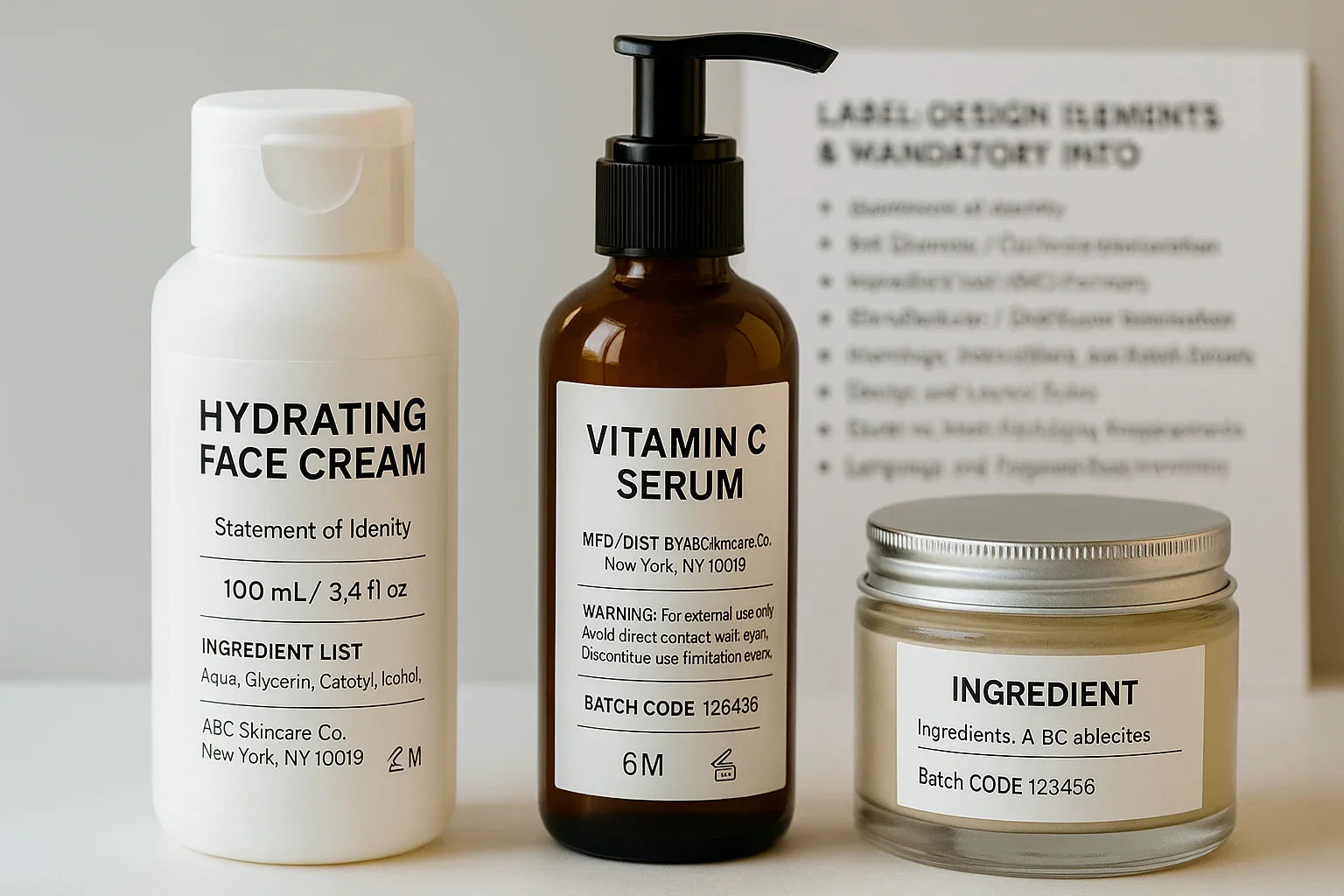
Cosmetic labeling rules vary by region but generally require specific information to appear on product packaging.
- Ingredient list using standardized naming conventions
- Product identity
- Net contents
- Manufacturer or distributor details
- Usage instructions when needed
- Safety warnings where appropriate
Clear labeling not only helps ensure compliance but also improves transparency and consumer confidence.
Marketing and Advertising Compliance
Skincare product claims must remain compliant across all marketing channels, including ecommerce listings, social media, influencer campaigns, and blogs.
Brands should also ensure that influencers, affiliates, and partners accurately represent product claims. Any statements made by marketing partners may still be considered part of the brand’s advertising.
Maintaining consistent messaging across all channels helps prevent misleading claims and protects the brand from regulatory risk.
Compliance Best Practices for Skincare Brands
- Work with experienced manufacturers
- Document ingredient research
- Use responsible marketing language
- Conduct product testing
- Review regulatory guidelines
Many brands also consult regulatory specialists to review packaging and marketing materials before launching new products.
The Role of Compliance in Building Brand Trust
Compliance helps build long-term credibility. Consumers increasingly expect transparency from beauty brands, especially regarding ingredients and product benefits.
Brands that follow skincare compliance guidelines gain advantages such as:
- Increased consumer trust
- Better retail partnerships
- Stronger brand reputation
- Greater long-term growth
Responsible claims not only protect consumers but also strengthen the integrity of the brand.
Conclusion
Understanding skincare product claims compliance is essential for every beauty brand owner. Clear, accurate, and evidence-based claims help protect consumers while strengthening brand credibility.
By following regulatory guidelines, documenting product evidence, and using responsible marketing language, skincare brands can successfully build trust while avoiding compliance risks.
FAQ: Skincare Product Claims & Compliance
What are skincare product claims?
Skincare product claims are statements that describe the benefits or effects of a skincare product, such as moisturizing, brightening, or improving skin appearance.
What is skincare claims compliance?
Skincare claims compliance means ensuring that all product claims are truthful, evidence based, and consistent with cosmetic regulatory guidelines.
What claims are not allowed in cosmetics?
Claims that suggest treating or curing medical conditions, such as eczema or acne, may classify a product as a drug and require regulatory approval.
Do skincare brands need proof for their claims?
Yes. Brands must be able to support claims with evidence such as ingredient research, testing data, or consumer studies.
Why is compliance important for beauty brands?
Compliance helps protect consumers, avoid legal risks, and build trust in the brand.
Read more
Launching a beauty, hair care, skincare, or wellness brand in 2026 often starts with one important decision: choosing between private label vs white label manufacturing.
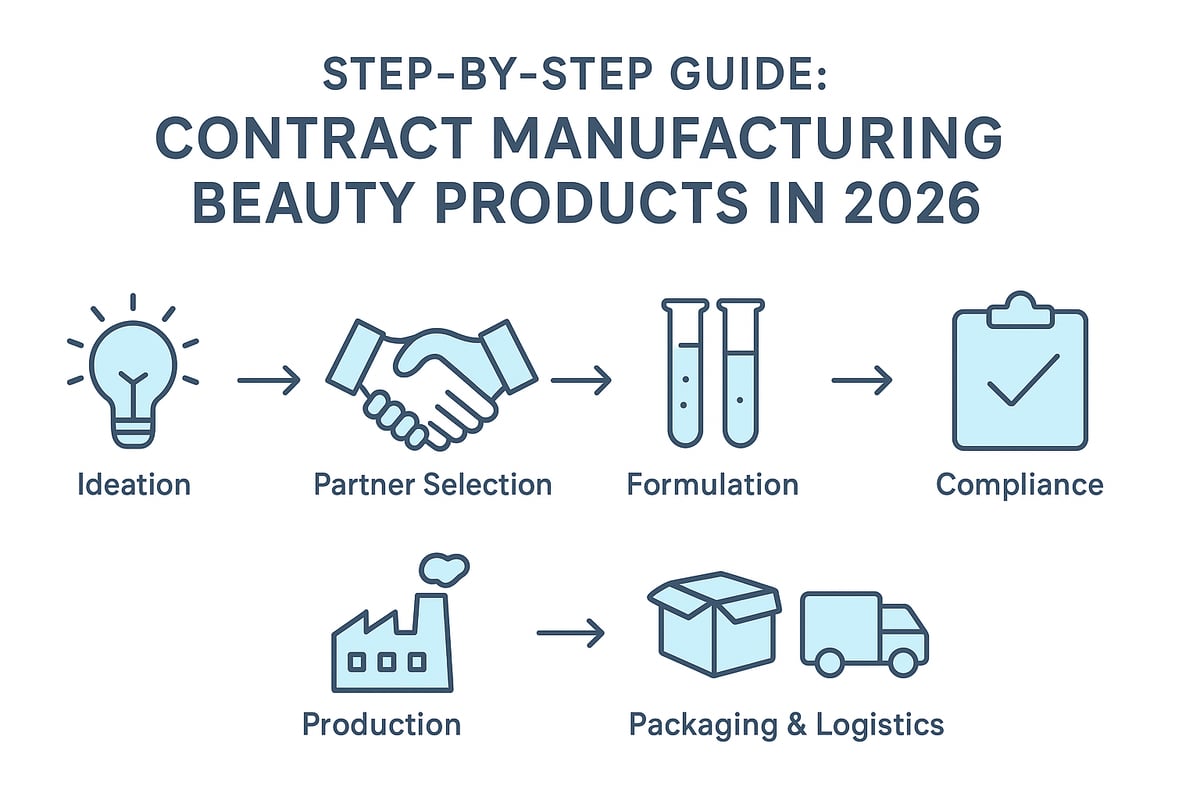
Understanding the beauty product manufacturing process is essential for any brand owner, entrepreneur, or business looking to enter the cosmetics industry. Whether you're launching skincare, makeup...