Private Label vs White Label Manufacturing: What’s Best for Your Brand?
Private Label vs White Label Manufacturing: What’s Best for Your Brand?
Launching a beauty, hair care, skincare, or wellness brand in 2026 often starts with one important decision: choosing between private label vs white label manufacturing.
Both options allow brands to sell professionally manufactured products without building a production facility. However, the differences between private label manufacturing and white label manufacturing can significantly impact your brand identity, customization options, and long-term growth.
In this guide, we explain the difference between private label and white label manufacturing, how each model works, and how to choose the best solution for your brand.
What Is Private Label Manufacturing?
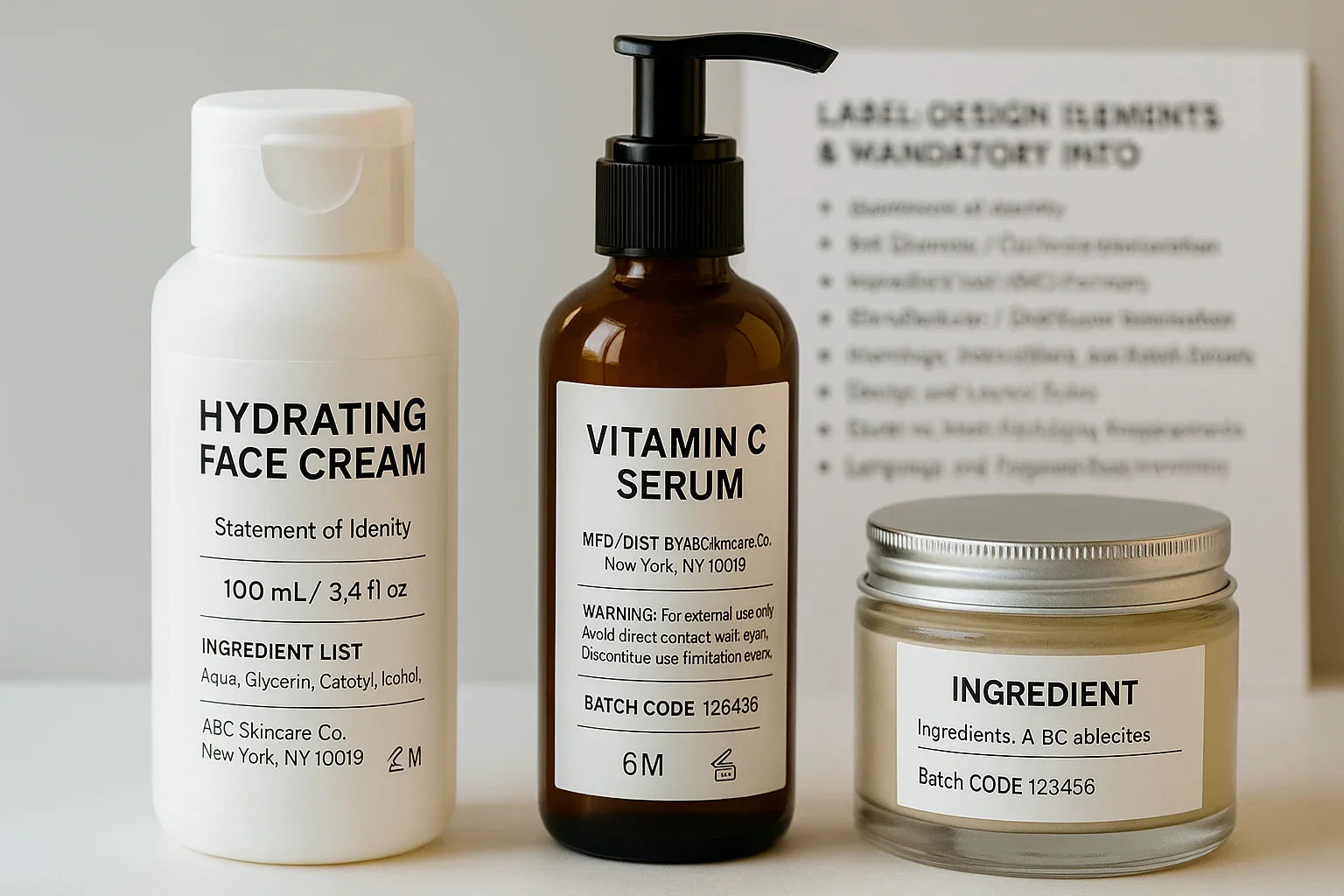
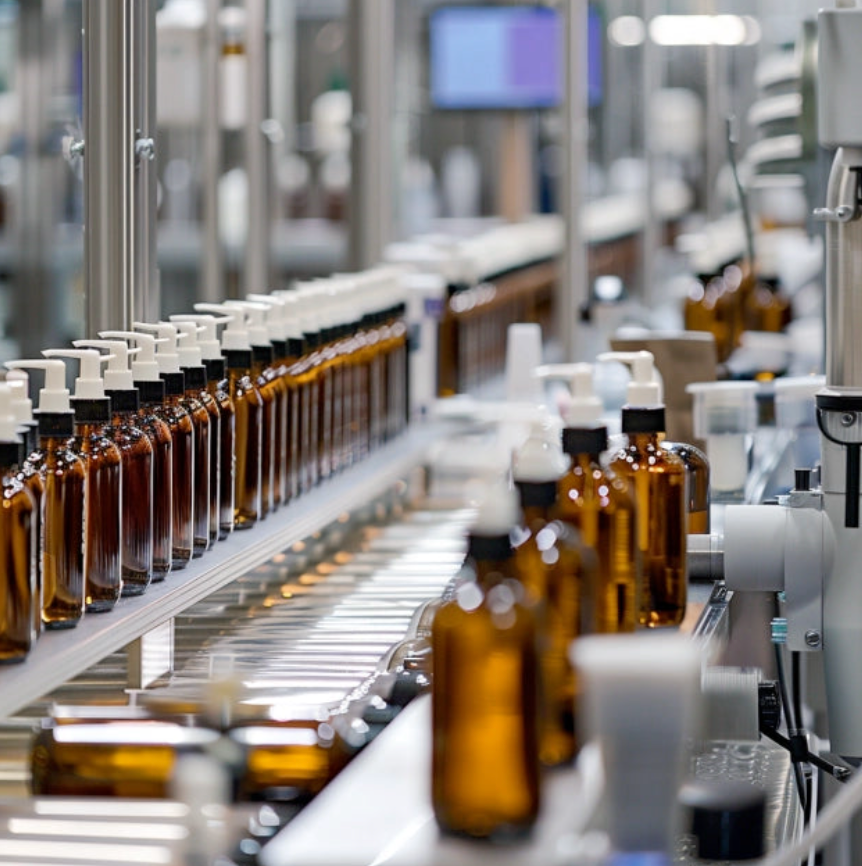
Private label manufacturing is when a manufacturer creates a product that is customized specifically for one brand, which then sells it under its own label.
With private label products, you typically have control over elements such as:
- Formula or ingredient adjustments
- Fragrance selection
- Product texture and performance
- Packaging design
- Brand labeling
- Product positioning
For example, a brand launching a private label hair care line may work with a manufacturer to create a custom shampoo formulation designed for dry or damaged hair.
Benefits of Private Label Manufacturing
Private labeling is often preferred by brands that want to stand out in competitive markets.
Key advantages include:
- Brand differentiation – your product formula and packaging are tailored to your brand identity.
- Higher perceived value – custom products often feel more premium to customers.
- Product exclusivity – other brands cannot sell the same formula.
- Scalability – private label brands can expand into full product lines including skincare, hair care, body care, and wellness products.
Private label manufacturing is commonly used for:
- Hair care products
- Skin care products
- Pet care products
- Candles and diffusers
- Wellness and personal care products
What Is White Label Manufacturing?
White label manufacturing involves producing a standard product that multiple brands can sell under different labels.
In this model, the formula and product remain the same for all clients. Brands simply add their logo and packaging design.
White label products are often used for:
- Fast product launches
- Testing new markets
- Low startup budgets
- Simple product lines
Examples include:
- Basic shampoos and conditioners
- Body lotions
- Face cleansers
- Essential oil blends
- Generic skincare items
Benefits of White Label Manufacturing
White labeling offers speed and simplicity.
Advantages include:
- Faster time to market – products are already formulated and tested.
- Lower development costs – no custom formulation work is required.
- Small startup investment – often requires lower minimum order quantities.
- Simple product selection – brands choose from existing product catalogues.
White label products are ideal for businesses that want to launch quickly or test a niche market before investing in custom formulations.
Private Label vs White Label Manufacturing: Key Differences
Understanding the private label vs white label manufacturing difference helps brands choose a model that aligns with their business strategy.
| Feature | Private Label Manufacturing | White Label Manufacturing |
|---|---|---|
| Formula | Custom or modified | Standard formula |
| Brand Exclusivity | Exclusive to one brand | Same product sold by multiple brands |
| Customization | High | Limited |
| Development Time | Longer | Faster |
| Product Differentiation | Strong | Minimal |
| Cost | Higher upfront | Lower startup cost |
When Should You Choose Private Label Manufacturing?
Private label manufacturing is ideal when brands want to build a long-term product identity.
Choose private label if you want to:
- Create unique hair care product formulations
- Launch a premium skincare brand
- Develop custom beauty products
- Build a strong brand identity
- Scale into multiple product categories
Many successful beauty brands choose private labeling because it allows them to differentiate in crowded markets.
When Should You Choose White Label Manufacturing?
White label manufacturing works best when speed and affordability are the priority.
Choose white label if you want to:
- Launch products quickly
- Test a market niche
- Start with minimal development costs
- Offer simple branded products
White labeling is commonly used by:
- New ecommerce brands
- Subscription box businesses
- Influencers launching merchandise
- Retailers testing new product categories
How Private Label Manufacturing Supports Brand Growth
For brands aiming to grow into large product ranges, private label manufacturing provides greater flexibility.
Brands can develop:
- Custom hair care lines
- Targeted skincare collections
- Specialty pet care products
- Boutique candle and diffuser ranges
Private label manufacturing also supports brand storytelling, allowing companies to highlight unique ingredients, sustainability practices, or specialized formulations.
This type of differentiation is critical in competitive industries like beauty, wellness, and personal care.
The Future of Private Label Manufacturing in 2026
The demand for private label beauty and personal care products continues to grow rapidly.
Several trends are driving this growth:
- Independent brand launches – entrepreneurs are creating niche product lines.
- Ecommerce expansion – online stores allow smaller brands to compete globally.
- Demand for unique products – consumers prefer brands with distinctive identities.
- Customization – customers expect specialized formulations for specific needs.
As a result, many brands are moving away from generic white label products and investing in custom private label product development.
Conclusion
Understanding private label vs white label manufacturing is an essential step for any brand entering the beauty, personal care, or wellness industries.
White label manufacturing offers speed, affordability, and simplicity, making it ideal for quick launches or testing markets.
Private label manufacturing provides deeper customization, stronger brand differentiation, and long-term scalability.
For brands focused on building a distinctive identity and premium product lines, private label manufacturing is often the best choice.
FAQ: Private Label vs White Label Manufacturing
What is the difference between private label and white label manufacturing?
Private label manufacturing creates customized products exclusively for one brand, while white label manufacturing produces standard products that multiple brands can sell under different labels.
Is private label better than white label?
Private label is generally better for building a strong brand identity because it allows for custom formulations and exclusive products.
Is white label cheaper than private label?
Yes. White label products usually have lower startup costs because the formulas already exist and require minimal development.
Can I start a beauty brand using white label products?
Yes. Many brands start with white label products to test the market before investing in private label formulations.
Do successful beauty brands use private label manufacturing?
Yes. Many growing beauty and personal care brands rely on private label manufacturing to create unique products and expand their product lines.