
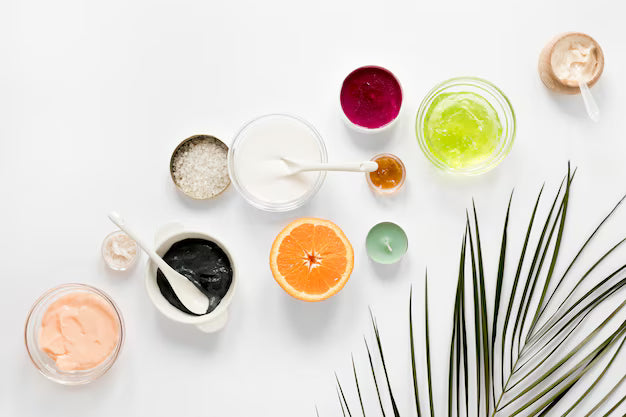
The Private Label Beauty Supply Chain: From Ingredients to Finished Product
The Private Label Beauty Supply Chain: From Ingredients to Finished Product
When customers pick up a shampoo, conditioner, cosmetic, body care product or pet grooming formula, they see the finished product. Behind that product is a much larger process involving ingredients, formulation, manufacturing, testing, filling, packaging, labelling and quality control.
For private label brands, understanding this process can make it easier to choose products, communicate with manufacturers and build a range that is aligned with the brand's goals.
Private label manufacturing is often described simply as choosing a product and putting your branding on it. In reality, the journey from formulation to finished product involves multiple stages, and every stage can influence the final result.
The formula determines how the product performs. Ingredients contribute to its characteristics and sensory experience. Manufacturing determines how the formula is produced at scale. Packaging protects and presents the product. Labelling communicates important information to the customer.
Together, these elements create the product that ultimately reaches the shelf, salon, ecommerce store or customer's bathroom.
A finished beauty product is the result of a supply chain, not a single manufacturing step. Understanding how the pieces connect can help private label brands make more informed product and packaging decisions.
What Is the Private Label Beauty Supply Chain?
The private label beauty supply chain is the series of stages involved in turning raw materials and product concepts into finished branded products.
Depending on the product and manufacturer, the process can include:
- Product and market selection
- Ingredient sourcing
- Formula development or selection
- Raw material preparation
- Batch manufacturing
- Quality checks
- Filling and production
- Packaging
- Labelling
- Finished product inspection
- Warehousing and distribution
The exact process varies by product category and manufacturing setup, but the principle remains the same: multiple stages need to work together to create a consistent finished product.
1. It Starts With the Product Concept
Before ingredients are selected or manufacturing begins, a brand needs to understand what product it wants to bring to market.
This sounds straightforward, but the product concept can influence almost every decision that follows.
Consider the difference between a lightweight daily shampoo and a rich treatment mask. Both are hair care products, but their intended functions, textures, packaging and customer expectations can be very different.
A product concept should consider:
- Who the product is designed for
- What the product is intended to do
- How it should feel during use
- Where it fits within the customer's routine
- How it should be positioned
- What format is appropriate
- How it fits into the wider product collection
This initial stage gives the manufacturer and brand a clearer direction.
2. Ingredient Selection Creates the Formula Foundation
Ingredients are the building blocks of a finished formula.
Different ingredients can contribute different functions, textures, stability characteristics, sensory qualities and product performance.
In hair care, for example, a formula may contain cleansing agents, conditioning ingredients, moisturising ingredients, styling agents, fragrance and other functional components.
A cosmetic formula may require pigments, emollients, film formers, waxes, oils or other ingredients depending on the product format.
Body care products can combine cleansing, moisturising and sensory ingredients, while pet grooming products are developed around the requirements of the intended grooming application.
The important point is that ingredients are not selected simply because they sound appealing on a label. They need to work within the formula.
3. Ingredient Stories and Product Marketing
Ingredient-focused beauty marketing has become an important part of product storytelling.
Customers increasingly encounter products through ingredient names, formulation concepts and educational content.
For private label brands, this creates an opportunity to develop an ingredient story around the product.
However, the ingredient story should support the actual product rather than replace it.
A product should still have a clear purpose, understandable positioning and a useful place within the customer's routine.
The strongest ingredient storytelling connects the ingredient to the product experience and explains why it is relevant to the formula.
4. Formulation Is Where Ingredients Become a Product
Selecting ingredients is only one part of product development.
Formulation is the process of combining components in a way that creates the desired product characteristics.
A formula needs to work as a whole.
This can involve considerations such as:
- Texture
- Spreadability
- Viscosity
- Appearance
- Fragrance
- Application experience
- Product stability
- Compatibility between ingredients
- Packaging compatibility
- Intended product use
This is why formulation is a technical process rather than simply mixing attractive ingredients together.
A formula may look excellent on paper but still require refinement to achieve the desired finished product experience.
5. Texture Is Part of the Product Identity
Texture is particularly important in beauty and personal care.
A customer experiences a product through more than its packaging. They experience how it pours, spreads, absorbs, foams, distributes through hair or feels on the skin.
For example, a styling product can be creamy, airy, lightweight, tacky, dry or powdery.
A conditioner can feel lightweight and fluid or rich and substantial.
A body product can feel silky, buttery, gel-like or fast absorbing.
These characteristics influence the customer's perception of the product.
This is why sensory product development can be an important consideration when building a private label range.
Formula performance and sensory experience work together. A product can serve a functional purpose while also creating a memorable experience through texture, fragrance, appearance and application.
6. The Manufacturing Process Turns the Formula Into a Batch
Once a formula has been established, manufacturing is the stage where the product is produced at scale.
Manufacturing processes vary depending on the product.
A liquid product may require controlled mixing, while a cream or emulsion may involve additional processing stages. Powder products have different requirements again.
The manufacturing environment needs to support consistent production.
This means controlling factors such as ingredient quantities, processing conditions, mixing and batch procedures.
Consistency matters because customers expect a product to perform similarly each time they purchase it.
7. Batch Manufacturing Matters for Brand Consistency
When a customer buys a product for the second time, they generally expect it to feel and perform like the product they purchased previously.
This is one reason batch consistency matters.
Manufacturers need processes that allow products to be produced consistently across batches.
For a growing private label brand, consistency becomes increasingly important as order volumes increase.
A brand is not only building a product. It is building customer expectations around that product.
8. Quality Control Is Part of the Manufacturing Journey
Quality control helps manufacturers assess whether products meet the required specifications.
The exact quality processes depend on the product category, formulation and manufacturing environment.
Quality considerations can include:
- Raw material checks
- Batch specifications
- Appearance
- Colour
- Odour
- Texture
- Consistency
- Packaging checks
- Finished product inspection
The objective is to identify issues and support consistency throughout production.
For private label brands, this part of the process is important because the finished product carries the brand's name.
9. Packaging Is More Than a Container
Packaging has two important roles.
First, it needs to be suitable for the product.
Second, it becomes one of the most visible elements of the brand.
The right packaging needs to work with the product format, dispensing method and intended customer experience.
A pump, spray, tube, jar or bottle can create a different application experience.
Packaging also contributes to visual positioning.
Minimal packaging can communicate one aesthetic direction, while bold colour, technical typography or premium materials can communicate something very different.
This makes packaging selection an important part of private label brand development.
10. Packaging Compatibility Should Be Considered Early
Packaging should not always be treated as the final decision.
The interaction between the formula and packaging can matter.
Different products have different physical characteristics, and the packaging needs to be appropriate for how the product is stored, dispensed and used.
This is one reason product development and packaging decisions can benefit from being considered together.
For example, a very thick formula may require a different dispensing solution from a lightweight mist.
The goal is to create a complete product system where the formula and packaging work together.
11. Filling and Production
After the product has been manufactured and is ready for filling, the formula is transferred into its chosen packaging format.
Filling is another stage where consistency matters.
Products need to be filled according to the required specifications, with packaging handled carefully throughout the process.
Once filled, containers may move through additional production steps depending on the packaging format.
These can include closing, capping, pumping, sealing, labelling and inspection.
12. Labels Turn a Product Into a Branded Product
A product can be technically complete but still need its final brand presentation.
Labels provide a space for the brand identity and important product information.
A well-designed label can communicate:
- Brand name
- Product name
- Product category
- Key product information
- Directions where required
- Ingredient information where applicable
- Net contents
- Relevant business information
The exact labelling requirements vary depending on the product and market, so brands should ensure their final labels are appropriate for the markets in which they intend to sell.
13. Brand Design Connects the Product Range Together
If a private label brand sells multiple products, the packaging should work as a collection.
Customers should be able to recognise that the products belong to the same brand.
This can be achieved through consistent:
- Typography
- Colour systems
- Label hierarchy
- Logo placement
- Product naming
- Photography
- Graphic elements
Consistency does not mean every product needs to look identical.
Instead, the collection should have a recognisable visual language.
This becomes particularly valuable when a brand moves from one hero product into a wider collection.
14. Product Photography Completes the Digital Presentation
For ecommerce brands, the physical product is only part of the customer experience.
The product also needs to exist digitally.
Product photography can show the packaging, texture, format, scale and overall aesthetic of the product.
A consistent photography system can make a collection feel more premium and cohesive.
This is especially important for private label brands because customers may discover the product online before they ever hold it in their hands.
The visual presentation therefore becomes part of the product experience.
15. Manufacturing and Brand Strategy Need to Work Together
One of the biggest advantages of working with an experienced private label manufacturer is the ability to connect product development with the practical realities of manufacturing.
A brand may have a strong creative idea, but the product still needs to be manufacturable, packageable and commercially viable.
Likewise, a manufacturer may have a wide selection of products, but the brand needs to determine which products actually fit its positioning.
The strongest process happens when both sides understand the commercial objective.
16. Why Minimum Order Quantities Matter
Minimum order quantities, often referred to as MOQs, are an important part of private label manufacturing.
An MOQ represents the minimum quantity that can be produced or ordered under the manufacturer's specific production structure.
For emerging brands, MOQ can influence:
- Initial investment
- Inventory requirements
- Storage needs
- Launch planning
- Cash flow considerations
Lower minimums can make it easier for some emerging brands to test a product concept before committing to larger production volumes.
However, brands should consider the total economics of a product rather than looking at MOQ in isolation.
17. The Economics Behind a Private Label Product
A finished product has more costs associated with it than the formula alone.
A brand may need to consider:
- Product cost
- Packaging
- Labels
- Artwork and design
- Manufacturing
- Shipping
- Warehousing
- Marketing
- Website and ecommerce costs
This is why product selection should be approached commercially.
Before launching a product, a brand should understand its expected selling price, product cost and broader operating expenses.
The objective is to create a product that customers want while also creating a business model that makes sense.
18. Why Supply Chain Visibility Matters for Growing Brands
As a brand grows, understanding the supply chain becomes increasingly valuable.
A small launch may involve a handful of products, but expansion can introduce more packaging formats, ingredients, labels, SKUs and production requirements.
A brand that understands how these elements connect can make more informed decisions when expanding.
For example, keeping some packaging elements consistent across a collection may simplify the visual identity while also creating operational efficiencies.
Likewise, creating a focused product range can make inventory management easier than launching a large number of unrelated SKUs.
19. From One Formula to a Product Ecosystem
The supply chain becomes especially interesting when a brand starts expanding.
A single shampoo can become a shampoo and conditioner system.
That system can become a broader hair care collection.
The collection can then expand into styling products, treatments or complementary categories.
This is how a single product can become the foundation of a larger brand ecosystem.
The key is making sure every expansion has a reason.
Instead of asking what product to launch next, ask what customer need remains unanswered.
20. How to Choose a Private Label Manufacturer
The manufacturer you choose can influence the entire supply chain.
When evaluating a private label manufacturer, consider questions such as:
- What product categories do they manufacture?
- What minimum order quantities do they offer?
- Can they support different packaging formats?
- What formulation options are available?
- Can they help with product selection?
- What support is available for packaging?
- What is their manufacturing process?
- How are products handled during production?
- What are their lead times?
- Can they support the brand as it grows?
The right questions will depend on your business, product category and launch plans.
The important thing is to look beyond the product catalogue and understand the complete process.
21. Private Label Manufacturing Can Simplify the Journey
Building a manufacturing operation from scratch is a major undertaking.
Private label manufacturing allows brands to access established manufacturing capabilities without necessarily building their own facility.
This can give entrepreneurs more time to focus on their brand, customers, marketing and sales.
For businesses with existing audiences, it can also create a path toward turning professional expertise into a branded product range.
A salon can develop its own hair care collection.
A beauty business can create a cosmetics range.
A pet grooming business can develop branded grooming products.
A tattoo-focused business can create an aftercare range.
The manufacturing relationship becomes the infrastructure behind the brand's physical products.
22. Building a Product Range With Brandology Labs
Brandology Labs works with businesses looking to develop private label products across multiple beauty and personal care categories.
Our product range includes opportunities across hair care, cosmetics and pet care, alongside other product opportunities including tattoo aftercare and personal care.
The objective is to help businesses move from an initial product idea toward a finished branded product that can be introduced to their customers.
For brands that are still deciding where to begin, exploring available products can help identify potential hero SKUs and collection concepts.
For businesses that already know what they want to launch, the next step is understanding how the formula, packaging, branding and production requirements fit together.
Your product is more than the bottle. Formula, ingredients, texture, packaging, branding, manufacturing and customer experience all contribute to what your customer ultimately sees and feels.
23. The Future of Private Label Is More Connected
Private label has evolved beyond the idea of simply selecting an existing product and adding a logo.
Modern private label brands are increasingly thinking about formulation, packaging, sensory experience, product architecture and brand identity together.
This creates an opportunity for smaller and emerging brands to build highly focused collections with a strong point of view.
The supply chain remains behind the scenes, but its impact is visible in the final product.
The ingredients affect the formula.
The formula affects the sensory experience.
The packaging affects application and presentation.
The branding affects recognition.
The manufacturing process affects consistency.
The complete system creates the finished product.
How to Think About Your Next Private Label Product
If you are considering launching a private label product, start by working backwards from the customer.
Ask what they need, what problem you want to solve and where the product fits into their routine.
Then consider the formula, texture, packaging and positioning.
From there, evaluate manufacturing requirements, minimum quantities, pricing and launch plans.
This approach creates a stronger connection between the commercial idea and the physical product.
Rather than choosing a product simply because it is available, you are building a product because it has a clear role within your brand.
Ready to Create Your Private Label Product?
Brandology Labs helps businesses explore private label opportunities across hair care, cosmetics, pet care, tattoo aftercare and more.
Explore the Brandology Labs private label range and discover products that could become the foundation of your next collection.
You can also browse our hair care collection, cosmetics collection and pet care collection.
When you are ready to discuss your brand and product requirements, contact Brandology Labs.
Final Thoughts
The finished beauty product sitting on a shelf or appearing on an ecommerce website represents the final stage of a much larger process.
Behind it are raw materials, formulation, manufacturing, quality control, packaging, filling, labelling and brand development.
For private label businesses, understanding this journey can make product development more strategic.
Instead of viewing manufacturing as something that happens behind the scenes, brands can think about the entire product system from the beginning.
The result is a more connected approach to private label product development, where the formula, packaging and brand experience are designed to work together.
Whether you are launching one hero product or building a wider collection, the supply chain is part of what turns your brand idea into something customers can actually experience.
Frequently Asked Questions
What is a private label beauty supply chain?
A private label beauty supply chain is the series of stages involved in creating and delivering a branded beauty or personal care product, including ingredient sourcing, formulation, manufacturing, quality control, filling, packaging, labelling and distribution.
What happens during private label formulation?
Formulation involves combining ingredients in a controlled way to create the intended product characteristics, including texture, appearance, application experience and performance.
Why are ingredients important in private label products?
Ingredients form the foundation of a product formula. Different ingredients can contribute specific functional and sensory characteristics, and the final formula needs to work as a complete system.
Why is packaging important for private label brands?
Packaging protects and presents the product while also communicating the brand identity. The format can also influence how customers dispense and use the product.
What does MOQ mean in private label manufacturing?
MOQ means minimum order quantity. It refers to the minimum quantity of a product that can be produced or ordered under a manufacturer's specific production structure.
Does private label manufacturing include packaging?
Packaging options depend on the manufacturer and product. Private label manufacturing can involve product packaging, filling and labelling as part of the wider production process.
How do I choose a private label manufacturer?
Consider the manufacturer's product categories, minimum order quantities, formulation options, packaging capabilities, manufacturing process, lead times and level of support available for your brand.
What private label categories does Brandology Labs offer?
Brandology Labs offers private label opportunities across categories including hair care, cosmetics, pet care and tattoo aftercare, with additional beauty and personal care product opportunities.
Read more
Launching a private label beauty brand does not mean you need a catalogue filled with dozens of products on day one. In fact, one of the most effective ways to build a focused brand is to start wit...
Launching a private label beauty product gives you access to a finished formula, but the product itself is only one part of building a successful brand. The way your products are named, packaged, p...