
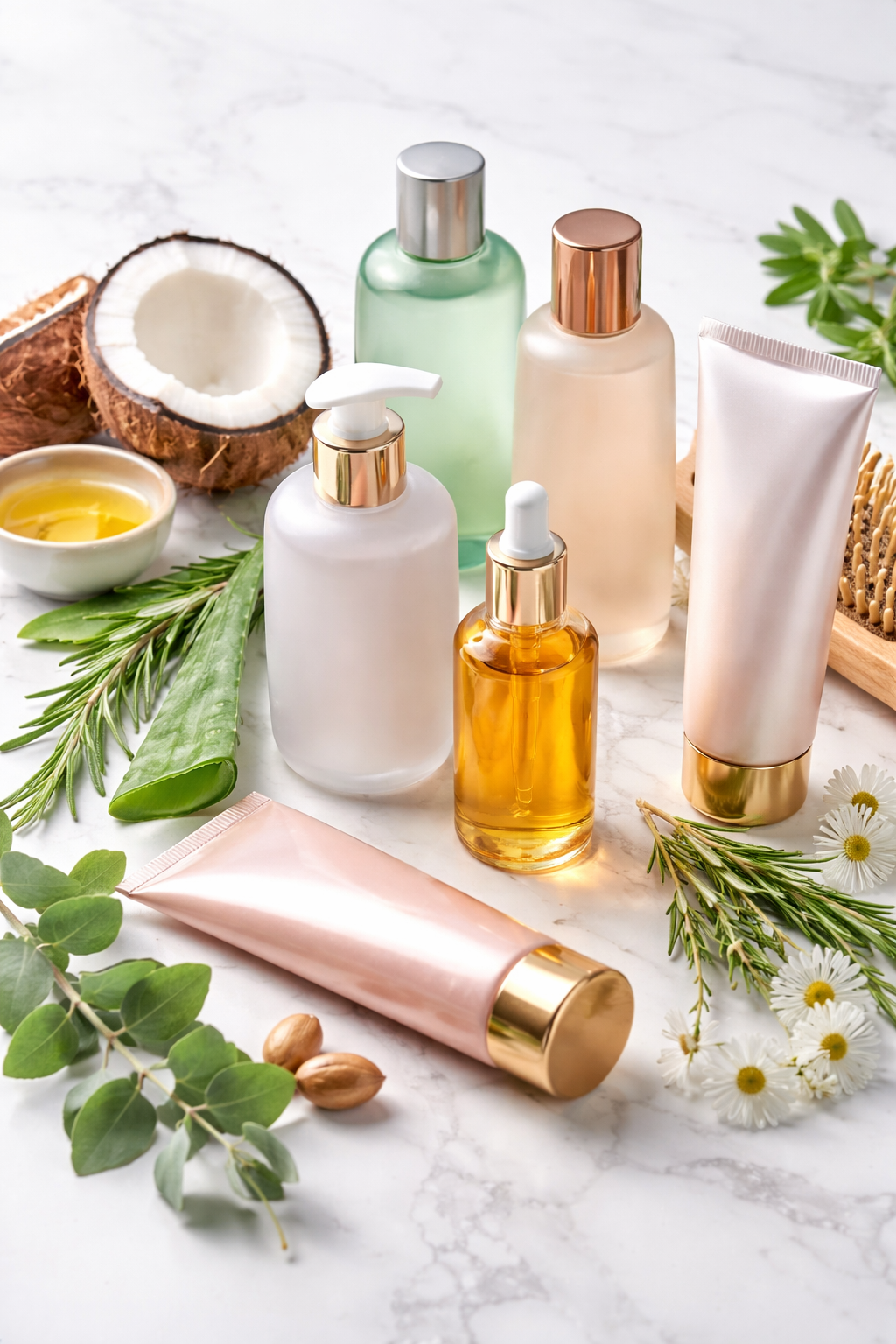
The Complete Process of Manufacturing a Hair Care Line
The Complete Process of Manufacturing a Hair Care Line
The global hair care industry continues to grow at an impressive pace, driven by increasing consumer awareness, demand for premium formulations, and a strong shift toward personalized beauty solutions. Today’s consumers are no longer satisfied with generic products—they are actively seeking brands that align with their values, hair types, and lifestyles.
For entrepreneurs and businesses, launching a hair care line is more than just entering a beauty category—it is an opportunity to build a scalable, high-margin brand with long-term growth potential. However, behind every successful product line is a carefully structured and strategic manufacturing process.
From concept development to final distribution, every step plays a critical role in ensuring quality, safety, consistency, and brand success. Understanding this process allows you to make informed decisions, avoid costly mistakes, and position your brand competitively in the market.
In this guide, we break down the complete process of manufacturing a hair care line, giving you a clear, step-by-step roadmap to bring your products to life.
1. Concept Development and Market Research
Every successful hair care brand begins with a clear and well-defined concept. This stage is where your vision takes shape and where you establish the foundation of your brand identity. Without a strong concept, even the best products can struggle to gain traction in a crowded market.
Market research is essential at this stage. It allows you to understand consumer behavior, identify trends, and uncover gaps that your brand can fill. Whether it's a focus on natural ingredients, solutions for textured hair, or premium salon-quality products, your concept should be rooted in real demand.
This phase also involves defining your target audience. Understanding who your ideal customer is will influence everything—from your formulations and packaging to your marketing strategy and pricing.
- Identify your ideal customer profile
- Analyze competitors and positioning
- Study current and emerging trends
- Define your brand story and values
- Select your initial product range
A strong concept ensures that every decision moving forward is aligned with your brand vision and customer expectations.
2. Ingredient Selection and Formulation
Formulation is one of the most critical stages in the entire manufacturing process. It determines how your product performs, how it feels, and how customers perceive your brand.
This stage involves selecting the right combination of ingredients to achieve specific results. These may include cleansing agents, conditioning agents, active ingredients, preservatives, and fragrances. Each ingredient plays a role in the final product’s effectiveness and stability.
Modern consumers are increasingly ingredient-conscious. Transparency, safety, and sustainability are major factors influencing purchasing decisions. As a result, many brands are prioritizing clean and functional formulations.
- Sulfate-free and paraben-free bases
- Natural oils such as argan, coconut, and jojoba
- Botanical extracts and plant-based actives
- Vegan and cruelty-free ingredients
- Targeted solutions for specific hair concerns
You can choose between custom formulation and private label options. Custom formulation offers complete uniqueness but requires more time and investment. Private label solutions provide speed and cost efficiency, making them ideal for faster launches.
3. Product Testing and Stability Assessment
Before moving into production, your products must undergo thorough testing to ensure they are safe, stable, and effective. This step is non-negotiable and plays a major role in protecting both your customers and your brand.
Testing ensures that your formulations perform consistently over time and under different conditions. It also verifies that your product maintains its texture, fragrance, and effectiveness throughout its shelf life.
- Stability testing under various temperatures
- Microbial testing to ensure safety
- Packaging compatibility testing
- Performance and efficacy testing
This stage may take several weeks or months, but it is essential for long-term success. Cutting corners here can result in product recalls, negative reviews, and damage to your brand reputation.
4. Regulatory Compliance and Certifications
The beauty and personal care industry is regulated to ensure consumer safety. Compliance is a critical step before launching your hair care products into the market.
This includes proper labeling, ingredient transparency, and adherence to safety standards. Regulations may vary depending on your target market, so it is important to understand the requirements in each region where you plan to sell.
Certifications can also enhance your brand credibility and appeal to specific audiences.
- Cruelty-free certification
- Vegan certification
- Organic or natural certifications
- Dermatological testing approvals
Clear, honest labeling builds trust and helps position your brand as reliable and transparent.
5. Packaging Design and Branding
Packaging is often the first physical interaction a customer has with your product. It plays a major role in influencing purchasing decisions and shaping brand perception.
Great packaging combines visual appeal with functionality. It should reflect your brand identity while also being practical, durable, and user-friendly.
- Select packaging materials (plastic, glass, eco-friendly options)
- Design labels with clear messaging
- Ensure durability and product protection
- Create a consistent brand aesthetic
Sustainability is becoming increasingly important. Many brands are adopting recyclable materials, refill systems, and minimalist designs to reduce environmental impact.
6. Manufacturing and Production
Once formulations and packaging are finalized, production begins. This stage involves manufacturing your products in controlled environments to ensure consistency and quality.
Professional manufacturing facilities use advanced equipment and standardized processes to produce products at scale while maintaining precision.
- Batch formulation and mixing
- Quality control during production
- Filling and packaging
- Sealing and labeling
Consistency is key. Every batch must meet the same standards to ensure a reliable customer experience.
7. Quality Assurance and Final Inspection
Before products are released, they undergo final quality checks. This step ensures that everything meets the required specifications and that no defects reach the customer.
- Visual inspection of packaging
- Consistency checks
- Seal integrity verification
- Random product sampling
This final layer of control protects your brand reputation and ensures customer satisfaction.
8. Logistics and Distribution
Once production is complete, the focus shifts to distribution. Efficient logistics ensure that your products reach customers quickly and in perfect condition.
Your distribution strategy will depend on your business model.
- E-commerce platforms
- Retail partnerships
- Salon distribution
- Wholesale channels
Inventory management is crucial at this stage. Proper planning helps avoid overstocking or running out of products.
9. Marketing and Product Launch
Even the best products require strong marketing to succeed. A well-executed launch strategy can create momentum and drive initial sales.
Your marketing should clearly communicate your brand story, product benefits, and unique positioning.
- Social media campaigns
- Influencer collaborations
- Email marketing
- High-quality product visuals
Consistency and storytelling are key to building a strong brand presence.
10. Customer Feedback and Continuous Improvement
Launching your product is just the beginning. Ongoing success depends on your ability to adapt and improve based on customer feedback.
- Monitor reviews and feedback
- Improve formulations
- Expand product lines
- Enhance customer experience
Brands that listen to their customers and evolve accordingly are the ones that achieve long-term growth.
Private Label vs Custom Manufacturing
Choosing between private label and custom manufacturing is a key decision.
Private label offers speed and affordability, allowing you to launch quickly using pre-developed formulations. Custom manufacturing provides full control and uniqueness but requires more investment and time.
The right choice depends on your goals, budget, and timeline.
Common Challenges in Manufacturing a Hair Care Line
While the opportunity is significant, there are challenges to consider.
- Balancing cost and quality
- Meeting regulatory requirements
- Managing timelines
- Maintaining consistency
Working with experienced partners can help you navigate these challenges effectively.
Final Thoughts
Manufacturing a hair care line is a detailed and strategic process that requires careful planning, execution, and attention to detail. Every stage—from concept to customer—plays a role in building a successful brand.
As the industry continues to evolve, brands that prioritize quality, transparency, and innovation will stand out. Consumers are more informed than ever, and their expectations continue to rise.
By understanding the full manufacturing process and making informed decisions, you can create a product line that not only meets market demand but also builds long-term brand loyalty.
With the right approach, your hair care brand can grow into a trusted name—delivering products that customers love, trust, and return to time and time again.
Read more
The Complete Process of Manufacturing a Hair Care Line The global hair care industry continues to grow at an impressive pace, driven by increasing consumer awareness, demand for premium ...
The hair care industry has evolved into one of the most dynamic and opportunity-rich sectors within the global beauty market. In 2026, consumers are more informed, more selective, and more brand-co...