
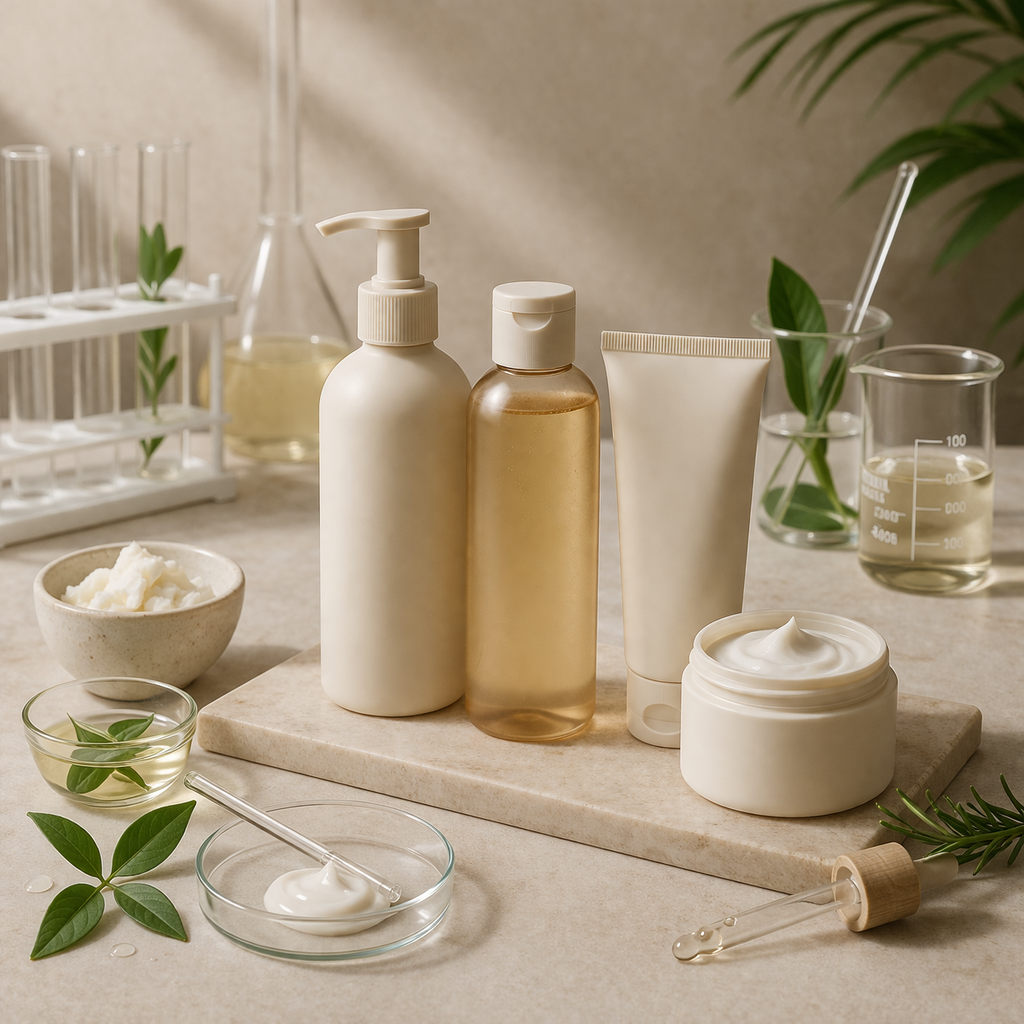
The Complete Process of Manufacturing a Hair Care Line
The Complete Process of Manufacturing a Hair Care Line
The global hair care industry continues to grow at an impressive pace, driven by increasing consumer awareness, demand for premium products, and the desire for personalized beauty solutions. For entrepreneurs and brands, launching a hair care line is not just an exciting opportunity—it is a strategic move into a highly scalable and profitable market.
However, behind every successful hair care brand lies a carefully structured manufacturing process. From concept development to final product delivery, each stage plays a critical role in ensuring quality, safety, and market success. Understanding this process is essential for anyone looking to build a credible and competitive brand.
In this guide, we break down the full process of manufacturing a hair care line, giving you a clear, step-by-step overview of what it takes to bring your products to life.
1. Concept Development and Market Research
Every successful hair care line begins with a strong concept. This stage involves defining your brand identity, target audience, and product positioning. Before any formulation or production begins, it is essential to understand the market landscape and identify opportunities.
Market research helps you determine what consumers are currently looking for and where gaps exist. Are customers seeking natural ingredients? Are they looking for solutions for specific hair concerns such as dryness, damage, or hair loss? Answering these questions allows you to build a product line that meets real demand.
- Identify your target audience
- Analyze competitors and market trends
- Define your unique selling proposition
- Choose your product categories (shampoo, conditioner, oils, treatments)
A well-defined concept sets the foundation for the entire manufacturing process and ensures that your products resonate with your intended audience.
2. Ingredient Selection and Formulation
Once your concept is clear, the next step is developing your product formulations. This is one of the most critical stages, as it directly impacts product performance, safety, and customer satisfaction.
Formulation involves selecting the right combination of ingredients to achieve the desired results. This may include active ingredients, conditioning agents, fragrances, preservatives, and natural extracts.
Brands today often prioritize ingredients that align with consumer preferences, such as:
- Sulfate-free and paraben-free formulations
- Natural oils and botanical extracts
- Vegan and cruelty-free ingredients
- Solutions tailored to specific hair types
Depending on your approach, you can either create custom formulations from scratch or work with pre-developed formulations offered by private label manufacturers. Custom formulations provide greater uniqueness, while private label options allow for faster market entry.
3. Product Testing and Stability Assessment
Before a product can move into production, it must undergo rigorous testing to ensure safety, stability, and effectiveness. This step is essential for maintaining product quality and meeting regulatory standards.
Testing typically includes:
- Stability testing to ensure the product maintains its consistency over time
- Compatibility testing with packaging materials
- Microbial testing to prevent contamination
- Performance testing to validate product claims
These tests help identify any potential issues early in the process, allowing adjustments to be made before large-scale production begins. Skipping or rushing this stage can lead to costly problems later on.
4. Regulatory Compliance and Certifications
The hair care industry is subject to strict regulations to ensure consumer safety. Before launching your products, it is important to comply with all relevant guidelines and requirements in your target market.
This includes proper labeling, ingredient disclosure, and adherence to cosmetic safety standards. Depending on your brand positioning, you may also pursue certifications such as:
- Cruelty-free certification
- Organic or natural certification
- Vegan certification
Compliance not only protects your customers but also builds trust and credibility for your brand. Transparent labeling and clear communication are key factors in today’s market.
5. Packaging Design and Branding
Packaging plays a crucial role in the success of a hair care line. It is often the first interaction a customer has with your product, making it a powerful tool for brand differentiation.
Effective packaging design combines aesthetics with functionality. It should reflect your brand identity while also being practical and user-friendly.
- Choose bottle types and materials (plastic, glass, eco-friendly options)
- Design labels that communicate key benefits clearly
- Ensure packaging protects the product from contamination
- Create a cohesive visual identity across all products
In 2026, sustainability is also a major consideration. Many brands are opting for recyclable materials, refill systems, and minimalist packaging to appeal to environmentally conscious consumers.
6. Manufacturing and Production
Once formulations and packaging are finalized, the production phase begins. This involves manufacturing the products in controlled environments to ensure consistency and quality.
Manufacturing typically includes:
- Batch production of formulations
- Quality control checks at each stage
- Filling products into packaging
- Sealing and labeling
Working with an experienced manufacturer ensures that your products meet industry standards and are produced efficiently. Modern facilities use advanced equipment and processes to maintain precision and scalability.
At this stage, maintaining strict quality control is essential. Even minor inconsistencies can affect the final product and customer experience.
7. Quality Assurance and Final Inspection
Before products are released to the market, they undergo final quality assurance checks. This step ensures that every unit meets the required standards and specifications.
Quality assurance includes:
- Visual inspection of packaging and labeling
- Verification of product consistency
- Ensuring proper sealing and safety
- Random sampling for testing
This final checkpoint helps prevent defective products from reaching customers and protects your brand reputation.
8. Logistics and Distribution
After production is complete, the next step is getting your products into the hands of customers. This involves logistics, warehousing, and distribution strategies.
Depending on your business model, you may choose to sell through:
- Your own e-commerce website
- Retail stores or salons
- Online marketplaces
- Wholesale partnerships
Efficient logistics ensure timely delivery and a smooth customer experience. It is important to plan your inventory levels carefully to avoid stock shortages or overproduction.
9. Marketing and Product Launch
Even the best products need strong marketing to succeed. Launching a hair care line requires a well-planned strategy to build awareness and attract customers.
Key marketing strategies include:
- Social media campaigns and content creation
- Influencer collaborations
- Email marketing and customer engagement
- Professional product photography and branding
Your marketing should clearly communicate the benefits of your products and what makes your brand unique. Storytelling plays a powerful role in connecting with your audience.
10. Customer Feedback and Continuous Improvement
The manufacturing process does not end with the product launch. Gathering customer feedback is essential for improving your products and growing your brand.
Customer insights can help you:
- Refine existing formulations
- Develop new products
- Improve packaging and usability
- Enhance overall customer experience
Successful brands continuously evolve based on feedback and market trends. This adaptability is key to long-term success in the hair care industry.
Private Label vs Custom Manufacturing
When manufacturing a hair care line, one of the most important decisions is choosing between private label and custom manufacturing.
Private label manufacturing allows you to use pre-developed formulations and focus on branding and marketing. This approach is faster and more cost-effective, making it ideal for new brands.
Custom manufacturing, on the other hand, involves creating unique formulations tailored to your brand. While this offers greater differentiation, it requires more time, investment, and development.
Both options have their advantages, and the right choice depends on your goals, budget, and timeline.
Common Challenges in Manufacturing a Hair Care Line
While the process offers many opportunities, it also comes with challenges. Being aware of these can help you prepare and avoid costly mistakes.
- Balancing cost and product quality
- Ensuring regulatory compliance
- Managing production timelines
- Maintaining consistency across batches
Working with experienced partners and taking a strategic approach can help overcome these challenges effectively.
Final Thoughts
Manufacturing a hair care line is a detailed and multi-step process that requires careful planning, execution, and attention to detail. From initial concept to final product delivery, each stage plays a crucial role in building a successful brand.
In 2026, the demand for high-quality, innovative hair care products continues to rise. Consumers are more informed and selective than ever, making it essential for brands to prioritize quality, transparency, and strong branding.
Whether you choose private label manufacturing or custom formulation, the key to success lies in understanding the process and making informed decisions at every stage. By focusing on product excellence and customer experience, you can create a hair care line that stands out in a competitive market.
With the right strategy and execution, your brand can grow into a trusted name in the industry, delivering products that customers rely on and return to time and time again.
Read more
The pet care industry has evolved dramatically over the past decade, and in 2026, it stands as one of the most promising and resilient markets globally. What was once considered a niche sector has ...
The global hair care industry continues to grow at an impressive pace, driven by increasing consumer awareness, demand for premium formulations, and a strong shift toward personalized beauty soluti...