
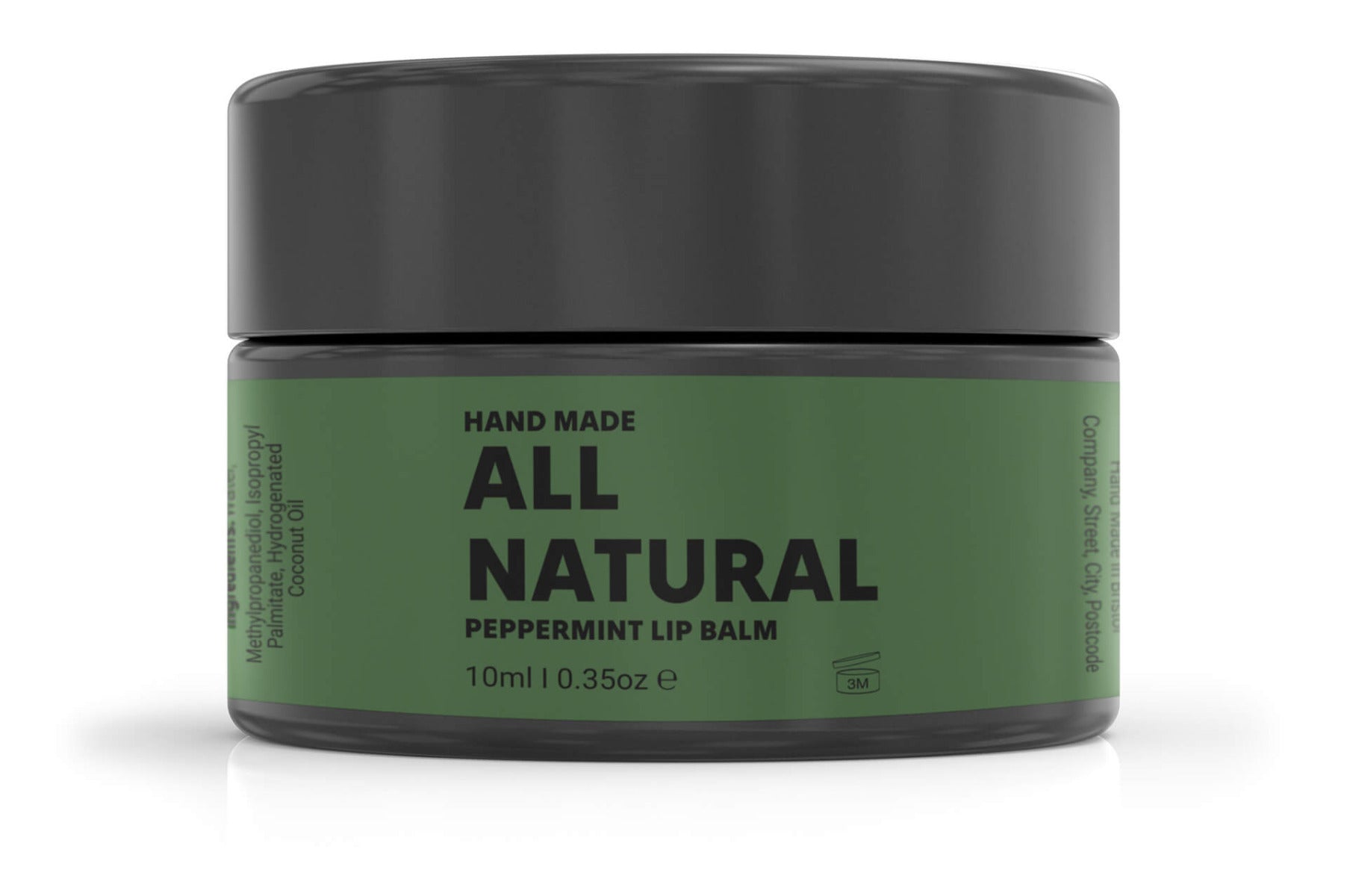
How to Design Product Labels for Cosmetics That Sell
How to Design Product Labels for Cosmetics That Sell
Product labels play a powerful role in the success of beauty products. In a crowded market filled with skincare, cosmetics, and personal care brands, the right label design can capture attention, communicate product benefits, and build trust with customers. When shoppers browse products online or in retail stores, labels are often the first visual element they notice.
A well-designed cosmetic label does much more than decorate packaging. It tells the story of the product, communicates its purpose, and reinforces the brand’s identity. At the same time, cosmetic labels must follow regulatory guidelines to ensure safety and compliance.
Understanding how to design product labels for cosmetics involves balancing creativity with technical requirements. Brands must consider typography, layout, color choices, materials, and packaging compatibility while ensuring that all required regulatory information appears clearly on the label.
A successful cosmetic label design should highlight your brand identity, clearly communicate the product’s purpose, and meet cosmetic labeling regulations. When these elements come together effectively, labels become powerful marketing tools that influence purchasing decisions.
Why Cosmetic Product Label Design Matters

Cosmetic product labels are often the first point of interaction between your brand and potential customers. Whether someone is browsing products online or walking through a retail store, the visual appearance of the label can influence their perception of quality and effectiveness.
In many cases, customers make purchasing decisions within seconds. A strong label design can instantly communicate professionalism, quality, and brand personality. On the other hand, poorly designed labels may cause consumers to question the credibility of the product.
Effective label design also helps customers quickly understand what the product does. If the benefits and purpose are clearly communicated, shoppers can easily determine whether the product meets their needs.
Effective label design helps brands:
- Capture attention on retail shelves
- Communicate product benefits clearly
- Build brand recognition
- Convey product quality and professionalism
- Provide essential product information
In competitive industries such as skincare and cosmetics, labels also serve as branding tools. Consistent label design across multiple products strengthens brand identity and helps customers recognize the brand instantly.
Step 1: Understand Cosmetic Labeling Requirements
Before focusing on visual design, it is important to understand cosmetic labeling regulations. Regulatory guidelines ensure that cosmetic products provide accurate information and protect consumer safety.
Most regions require cosmetic labels to display certain information clearly and accurately. These requirements vary depending on the country, but many follow similar principles.
Most labels must include:
- Product name or identity
- Net contents (volume or weight)
- Ingredient list using standardized naming
- Manufacturer or distributor details
- Usage instructions when necessary
- Safety warnings if applicable
Ingredient lists must typically follow standardized naming conventions such as INCI (International Nomenclature of Cosmetic Ingredients). This ensures that ingredients are consistently labeled across products and countries.
Complying with labeling regulations is essential for selling cosmetic products legally. Brands that ignore regulatory requirements risk product recalls, legal penalties, or damage to their reputation.
Step 2: Define Your Brand Identity

Strong labels reflect a clear brand identity. Your label design should align with the overall image and values of your brand.
Brand identity influences every aspect of label design, from color choices to typography and graphic elements. When these elements are consistent across all products, they create a recognizable visual style that customers associate with your brand.
Key elements include:
- Brand logo
- Color palette
- Typography style
- Graphic elements
- Overall aesthetic
Different brand positioning strategies often lead to different label design styles.
Example directions:
- Luxury skincare: minimal design, elegant typography
- Natural skincare: earthy colors, botanical imagery
- Youth-oriented: bold colors, playful designs
A well-defined brand identity ensures that customers can easily recognize your products even when they appear alongside competitors.
Step 3: Prioritize Readability and Clarity
While creative design is important, readability must always remain a priority. Customers should be able to understand product information quickly without struggling to read the text.
Small packaging sizes often limit available space, making layout decisions especially important. Designers must organize information efficiently while maintaining a clean appearance.
Best practices include:
- Clear, legible fonts
- Strong contrast between text and background
- Avoid overcrowding with too much information
- Use hierarchy to highlight important details
Visual hierarchy helps guide the customer’s eye through the label. Key elements such as the product name and main benefit should appear more prominently than secondary information.
Step 4: Highlight Product Benefits

One of the most important purposes of a cosmetic label is communicating the product’s benefits. Customers want to understand what the product does and how it can improve their skincare or beauty routine.
Benefits should be communicated quickly and clearly on the front label. This helps customers immediately determine whether the product meets their needs.
Examples include:
- Hydrating facial moisturizer
- Brightening vitamin serum
- Nourishing hair repair mask
- Gentle foaming cleanser
Highlighting product benefits not only improves clarity but also strengthens marketing effectiveness.
Step 5: Choose the Right Label Materials
Label materials play a major role in durability and visual appearance. Cosmetic products are often stored in humid environments such as bathrooms, which means labels must withstand moisture and temperature changes.
- Paper labels for cost-effective packaging
- Waterproof synthetic labels for bathroom environments
- Clear labels for minimalist packaging
- Foil or metallic labels for premium products
The choice of label material should match both the packaging environment and the brand’s aesthetic.
Step 6: Design for Packaging Shape and Size
Cosmetic packaging comes in many shapes including bottles, jars, tubes, and pumps. Label designs must accommodate these different container types.
Designers should carefully plan:
- Label dimensions and placement
- Curved surfaces
- Front/back label layout
- Space for regulatory information
Testing label placement on actual packaging prototypes helps identify potential issues before mass production begins.
Step 7: Use Professional Design Tools
Modern design software makes it easier to create professional label layouts. Designers can experiment with typography, colors, and layout variations before finalizing the design.
Design tools include:
- Adobe Illustrator
- Adobe Photoshop
- Canva for simple designs
- Packaging design software
Professional designers often use vector-based tools like Adobe Illustrator to ensure labels remain sharp and high quality during printing.
Step 8: Test Label Designs Before Production
Before printing large quantities of labels, brands should test designs using prototypes. Testing ensures that labels appear exactly as intended when applied to the final packaging.
- Print sample labels
- Apply labels to packaging
- Check readability and visual appeal
- Review regulatory compliance
Testing also helps identify potential issues with label adhesion, alignment, or readability.


Common Mistakes in Cosmetic Label Design
- Difficult-to-read fonts
- Too much information on the front label
- Ignoring regulatory requirements
- Inconsistent branding across products
- Poor quality label materials
Avoiding these common mistakes can significantly improve the effectiveness of your label design.
How Strong Label Design Drives Cosmetic Sales
Well-designed labels increase shelf visibility, create emotional connections with customers, communicate product value clearly, reinforce brand identity, and encourage repeat purchases.
In many cases, customers return to brands they visually recognize and trust. Consistent label design helps create that familiarity.
Conclusion
Designing cosmetic product labels requires balancing creativity and compliance. By focusing on clear branding, readable layouts, quality materials, and regulatory accuracy, brands can create labels that capture attention and build long-term trust with customers.
A thoughtful label design strategy not only improves product presentation but also supports brand growth in competitive beauty markets.
FAQ: Cosmetic Product Label Design
What information must be on cosmetic product labels?
Product name, ingredient list, net contents, manufacturer or distributor information, and necessary safety warnings are typically required.
Why are cosmetic labels important for sales?
They communicate benefits, build recognition, and attract customers on retail shelves or ecommerce stores.
What materials are best for cosmetic labels?
Waterproof synthetic labels, clear labels, and high-quality paper labels are commonly used depending on packaging type and brand positioning.
Can I design cosmetic labels myself?
Yes. Many brands use graphic design software, although professional designers can ensure higher quality and regulatory accuracy.
Do cosmetic labels need to follow regulations?
Yes. Regulatory compliance ensures accurate product information and protects consumer safety.
Read more
The global beauty industry continues to grow at an extraordinary pace. Skincare, haircare, cosmetics, and personal care products have become essential parts of modern consumer lifestyles. As trends...
The beauty and personal care industry continues to be one of the fastest-growing consumer markets in the world. From skincare and hair care to tattoo aftercare and premium pet grooming products, co...