
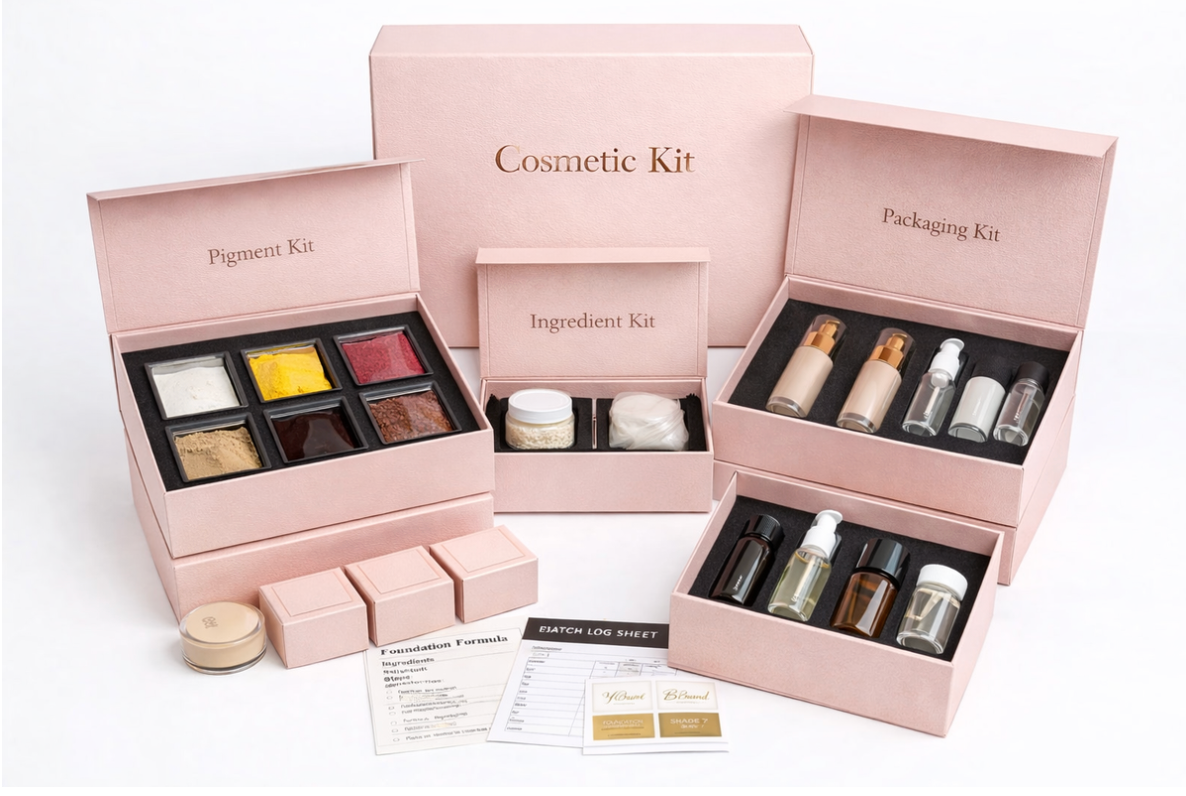
How to Build a Successful Beauty Brand with Private Label Manufacturing
How to Build a Successful Beauty Brand with Private Label Manufacturing
The global beauty industry continues to expand at an extraordinary pace. Skincare, haircare, cosmetics, and personal care products are now deeply integrated into everyday routines across the world. Consumers are increasingly investing in products that improve their appearance, support wellness, and enhance their confidence. From simple daily skincare routines to advanced beauty treatments, the modern beauty market is more active and innovative than ever before.
As consumer demand grows, entrepreneurs are discovering new opportunities to launch their own cosmetic brands. Influencers, salons, spas, wellness professionals, and independent founders are entering the market with unique product ideas and fresh brand identities. However, while the beauty industry can appear glamorous from the outside, building a successful brand requires thoughtful planning, strong partnerships, and a clear understanding of product development.
One of the most effective ways entrepreneurs enter the cosmetics industry today is through private label manufacturing. This model allows businesses to introduce professional beauty products without owning laboratories, production facilities, or complex manufacturing infrastructure.
Instead, specialized cosmetic manufacturers develop high-quality formulations that companies can customize with their own branding, packaging, and marketing strategy. By working with experienced manufacturers, entrepreneurs can focus on building their brand and connecting with customers while experts handle the technical aspects of production.
This guide explains how private label manufacturing works and how entrepreneurs can use it to build successful beauty brands. From selecting product categories to defining brand identity and developing marketing strategies, understanding these steps can help founders transform creative ideas into profitable and sustainable businesses.
Understanding Private Label Beauty Manufacturing


Private label manufacturing refers to the process where a third-party manufacturer produces cosmetic products that are sold under another company’s brand name. Instead of developing formulas entirely from scratch, entrepreneurs can select from professionally developed formulations that have already been tested and refined by experienced cosmetic chemists.
This approach dramatically lowers the barriers to entry in the beauty industry. Developing cosmetic products independently requires significant investments in research, ingredient sourcing, laboratory equipment, and regulatory testing. These processes can take months or even years before a product is ready for sale.
Private label manufacturing simplifies this process by allowing brands to work with existing formulations that meet professional quality standards. Because the formulas have already been tested for stability, safety, and performance, new brands can bring products to market much faster.
Another important benefit of private label manufacturing is consistency. Experienced manufacturers maintain strict quality control procedures to ensure that every batch of product meets the same standards. This reliability is critical for building trust with customers and maintaining a professional reputation.
Many successful beauty companies rely on private label manufacturing as part of their strategy. Whether producing skincare products, haircare treatments, or grooming items, this model allows entrepreneurs to introduce professional products while focusing on brand building and customer experience.
Selecting the Right Product Category
Choosing the right product category is one of the most important early decisions when launching a beauty brand. The products you select will influence your brand identity, marketing strategy, and long-term growth potential.
Many successful brands begin with a focused selection of products rather than launching a large catalogue immediately. Starting with a smaller product line allows businesses to refine their brand message and better understand customer preferences.
- Haircare products such as shampoos, conditioners, and hair masks
- Skincare products like cleansers, moisturizers, and serums
- Specialized treatments including anti-aging or acne solutions
- Grooming products such as beard oils and styling creams
- Body care items including lotions, scrubs, and body oils
Haircare products are particularly attractive for new brands because they are used frequently and repurchased regularly. Customers who enjoy a shampoo or conditioner often continue purchasing it, creating recurring revenue for the brand.
Skincare is another rapidly expanding category driven by consumer interest in ingredients, routines, and visible results. Brands that address specific skincare concerns often develop strong customer communities and loyal repeat buyers.
Ultimately, selecting the right category depends on understanding your audience and identifying a clear opportunity within the market.
Defining Your Brand Identity


Brand identity plays a powerful role in the beauty industry. While product performance is essential, many purchasing decisions are influenced by emotional connection, aesthetics, and shared values.
A strong brand identity helps businesses stand out in a crowded market. When customers clearly understand what your brand represents, they are more likely to remember and trust your products.
- Defining your ideal customer and their lifestyle
- Establishing brand values and mission
- Creating a visual identity including logo and color palette
- Developing a consistent tone of voice
- Positioning the brand within a clear price range
Consistency across packaging, social media, website design, and marketing materials reinforces your brand identity. When every element of your brand communicates the same message, customers develop a stronger emotional connection with your products.
Successful beauty brands often focus on a specific niche such as natural skincare, luxury cosmetics, minimalist routines, or dermatologist-inspired products. By clearly defining your niche, you create a stronger identity that resonates with your target audience.
Packaging Design and Product Presentation


Packaging is one of the most visible elements of a beauty product. It creates the first impression and strongly influences whether customers decide to explore a product further.
Well-designed packaging combines visual appeal with practical functionality. While attractive design captures attention, the packaging must also protect the product and provide a positive user experience.
- Choosing containers such as bottles, tubes, or jars
- Selecting pumps, droppers, or applicators
- Designing labels that clearly explain product benefits
- Ensuring durability during shipping and storage
- Considering recyclable or sustainable materials
Modern consumers are increasingly aware of environmental impact, which has made sustainability an important factor in packaging design. Many brands now explore refillable containers, recyclable materials, and reduced plastic packaging to align with eco-conscious values.
Effective packaging not only protects the product but also communicates the brand story. Colors, typography, and design elements all contribute to how customers perceive the brand.
Ensuring Product Safety and Compliance
Cosmetic products must meet strict regulatory standards before they can be sold to consumers. These regulations are designed to ensure product safety and protect public health.
Professional cosmetic manufacturers help brands navigate these requirements by conducting testing and providing documentation.
- Ingredient verification and documentation
- Label compliance with cosmetic regulations
- Stability testing for product shelf life
- Microbial testing for contamination prevention
- Packaging compatibility testing
Working with experienced manufacturers ensures that products meet industry standards and legal requirements before entering the market.
Building a Strong Marketing Strategy
Even the highest-quality beauty products require effective marketing to succeed. Building brand awareness and customer trust is essential for long-term growth.
Digital platforms now play a major role in beauty marketing. Social media channels allow brands to demonstrate product results, share tutorials, and connect directly with consumers.
- Collaborating with influencers and beauty creators
- Sharing educational skincare or haircare tutorials
- Encouraging customer reviews and testimonials
- Developing email marketing campaigns
- Publishing helpful blog content and guides
Authenticity is particularly important in modern beauty marketing. Consumers respond positively to transparent communication, genuine storytelling, and brands that engage openly with their communities.
Scaling Your Beauty Brand
Once a brand gains traction with its first products, expansion becomes the next stage of growth. Scaling usually involves introducing complementary products that align with the existing brand identity.
For example, a haircare brand that begins with shampoo and conditioner might later introduce hair masks, leave-in treatments, and styling products. A skincare brand may expand into serums, toners, or targeted treatments.
- Expanding product lines strategically
- Entering new online and retail sales channels
- Strengthening loyalty programs
- Investing in marketing and brand visibility
Expanding gradually helps maintain product quality while building a stronger product ecosystem around the brand.
The Future of Independent Beauty Brands
The beauty industry continues to evolve as consumer preferences shift and new technologies emerge. Independent brands now have unprecedented opportunities to reach global audiences through e-commerce, social media, and digital marketing.
Private label manufacturing will remain an important part of this growth. By providing access to professional formulations and production facilities, manufacturers allow entrepreneurs to focus on innovation, branding, and customer engagement.
Brands that combine strong storytelling, quality products, and meaningful customer relationships are well positioned to thrive in this dynamic and competitive industry.
Final Thoughts
Launching a beauty brand is both an exciting and challenging journey. From selecting the right product category to designing packaging and building a marketing strategy, every stage contributes to the overall success of the brand.
Private label manufacturing has made the cosmetics industry more accessible than ever before. Entrepreneurs no longer need to invest in expensive laboratories or research teams to introduce professional beauty products to the market.
By partnering with experienced manufacturers and focusing on branding, creativity, and customer relationships, founders can transform ideas into successful beauty businesses.
With a clear vision, thoughtful planning, and a commitment to product quality, entrepreneurs can build beauty brands that inspire confidence, foster loyalty, and achieve long-term success in the global cosmetics industry.
Read more
The hair care industry has become one of the most dynamic and resilient sectors within the global beauty market. Consumers today are investing more time, money, and attention into hair health than ...
Product labels play a powerful role in the success of beauty products. In a crowded market, the right label design can capture attention, communicate product benefits, and build trust with customer...