
How to Choose the Right Private Label Manufacturer for Your Beauty Brand
How to Choose the Right Private Label Manufacturer for Your Beauty Brand
Launching a beauty brand is an exciting journey, but one of the most important decisions you'll make happens long before your first sale. Choosing the right private label manufacturer can determine the quality of your products, your ability to scale, your reputation with customers, and ultimately the long-term success of your business.
Whether you're planning to launch a skincare line, professional hair care products, tattoo aftercare solutions, or premium pet grooming products, your manufacturing partner is much more than a supplier. They become an extension of your business, helping you consistently deliver products your customers can trust.
With hundreds of manufacturers available around the world, it can be difficult to know which one is the right fit. Some specialize in low-cost, high-volume production, while others focus on premium formulations, flexible order quantities, and supporting emerging brands. Understanding what to look for before making your decision can save significant time, money, and frustration later.
In this guide, we'll walk through the most important factors every entrepreneur should consider when selecting a private label manufacturing partner and explain how choosing the right manufacturer can help build a stronger, more successful beauty brand.
1. Understand Your Brand Before Contacting Manufacturers
Before requesting product catalogs or quotations, take time to clearly define your brand. Knowing your target audience, product category, pricing strategy, and business goals will make conversations with manufacturers far more productive.
Ask yourself questions such as: Who is my ideal customer? What problem am I solving? Will I focus on skincare, hair care, tattoo aftercare, or pet grooming products? Do I want to position my brand as premium, affordable, natural, or professional?
The clearer your vision, the easier it becomes to identify manufacturers that align with your objectives.
2. Look for Experience in Your Product Category
Not every manufacturer has the same expertise. Some excel in skincare while others specialize in hair care or grooming products. Working with a manufacturer experienced in your chosen category often results in better product quality, stronger technical knowledge, and more reliable production processes.
Manufacturers with established experience also tend to understand market trends, packaging requirements, ingredient sourcing, and quality standards specific to your product category.
3. Evaluate Product Quality
Product quality should never be compromised. Request samples before making any commitments and evaluate texture, fragrance, consistency, packaging, and overall customer experience.
Remember that your customers will judge your brand based on the products they receive. Consistently high-quality products create repeat customers, positive reviews, and long-term trust.
4. Ask About Quality Control Procedures
Reliable manufacturers follow structured quality control systems throughout production. Ask about testing procedures, batch consistency, raw material sourcing, and manufacturing standards.
A manufacturer with strong quality control practices helps reduce defects, maintain consistency, and protect your brand's reputation.
5. Consider Minimum Order Quantities
Minimum order quantities vary significantly between manufacturers. If you're launching your first product line, partnering with a manufacturer offering manageable minimums can reduce financial risk while allowing you to test market demand before scaling production.
As your business grows, production volumes can often increase without changing manufacturing partners.
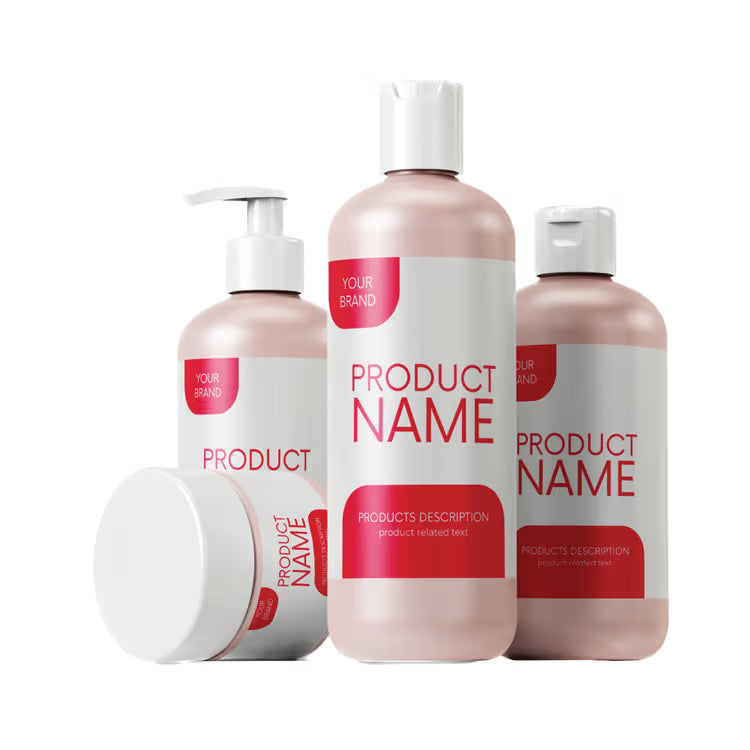
6. Review Packaging Options
Packaging is often the first impression customers have of your brand. Ask manufacturers about available bottle styles, jars, pumps, labels, and customization options.
Professional packaging supports premium brand positioning while helping products stand out in competitive markets.
7. Communication Matters
A manufacturer should respond promptly, answer questions clearly, and communicate openly throughout the production process. Strong communication helps avoid misunderstandings and creates smoother long-term partnerships.
8. Think Long-Term
The best manufacturing partnerships support business growth. Instead of choosing a manufacturer based only on price, consider whether they can grow alongside your brand as product lines expand and order volumes increase.
```html9. Compare More Than Just Pricing
Price is naturally one of the first things entrepreneurs consider when selecting a private label manufacturer, but it should never be the deciding factor on its own. The cheapest manufacturer may save money initially, yet poor product quality, inconsistent production, delayed deliveries, or weak customer support can end up costing far more over the lifetime of your business.
Instead of comparing manufacturers based solely on cost per unit, evaluate the complete value they provide. Consider their product quality, manufacturing experience, communication, packaging options, turnaround times, quality assurance procedures, flexibility, and willingness to support growing businesses.
Remember that your customers are purchasing your brand—not your manufacturer's. Every product that reaches a customer reflects directly on your reputation. Investing in a reliable manufacturing partner often produces far greater long-term returns than simply choosing the lowest quote.
10. Understand Lead Times and Production Schedules
Inventory planning is essential for every beauty business. Running out of stock can lead to lost sales, disappointed customers, and damage to your brand reputation. Before selecting a manufacturer, ask detailed questions about production lead times, shipping schedules, seasonal demand fluctuations, and reorder processes.
Some manufacturers can fulfill orders quickly, while others may require several weeks before production begins. Understanding these timelines allows you to forecast inventory more accurately and avoid unnecessary stock shortages.
Reliable production scheduling becomes even more important as your business grows. Seasonal promotions, holiday sales, product launches, and marketing campaigns all require inventory to be available when customers are ready to buy.
11. Ask About Product Expansion Opportunities
Many entrepreneurs launch with a small product range before gradually expanding into additional categories. Choosing a manufacturer capable of supporting future growth can save significant time and operational complexity.
For example, a skincare brand may eventually introduce cleansers, moisturizers, serums, masks, exfoliators, and body care products. A hair care company might expand from shampoo and conditioner into leave-in treatments, styling products, and scalp care solutions. Tattoo aftercare brands may add cleansers and moisturizers, while pet grooming brands often grow into complete grooming systems.
Working with a manufacturer that already offers multiple product categories makes expansion much simpler while helping maintain consistent product quality across your entire product line.
12. Review Regulatory and Compliance Standards
Beauty products must meet applicable regulations within the markets where they are sold. Although specific requirements vary by country, manufacturers should operate according to recognized quality standards and follow appropriate production practices.
Ask potential manufacturing partners about their quality management systems, ingredient sourcing, testing procedures, documentation, and compliance processes. Manufacturers that maintain high operational standards often provide greater confidence and reduce potential risks as your business grows.
Choosing an experienced manufacturer also makes it easier to navigate evolving industry requirements while maintaining customer trust and product consistency.
13. Evaluate Customer Support
A successful manufacturing relationship depends on more than production capabilities. Good customer support becomes increasingly valuable as your business expands and new opportunities emerge.
Pay attention to how manufacturers communicate during the early stages of your relationship. Do they answer questions thoroughly? Are they responsive to emails and phone calls? Do they provide clear explanations about their services and processes?
Responsive communication often indicates a manufacturer that values long-term partnerships rather than simply processing orders. Businesses benefit from working with partners who are invested in helping their brands succeed.
14. Think Beyond Your First Product Launch
Launching your first product is only the beginning of building a successful beauty brand. Entrepreneurs should choose manufacturing partners capable of supporting long-term growth rather than simply meeting immediate needs.
As your customer base expands, your business may require higher production volumes, additional packaging options, expanded product lines, or improved logistics support. Selecting a manufacturer that can grow alongside your business helps avoid unnecessary disruption later.
Long-term partnerships often become stronger over time because manufacturers gain a deeper understanding of your brand, operational preferences, and business objectives.
15. Build a Partnership, Not Just a Supplier Relationship
The strongest beauty brands often view their manufacturers as strategic partners rather than vendors. Successful partnerships are built on trust, transparency, communication, and shared commitment to delivering excellent products.
Manufacturers who understand your business goals are often better positioned to provide guidance, recommend opportunities, and support future product expansion. Open communication also allows both businesses to solve challenges more efficiently as they arise.
Developing a collaborative relationship benefits everyone involved, particularly as production volumes and product ranges continue growing.
16. Why Brandology Labs Is a Trusted Private Label Partner
At Brandology Labs, we understand that launching a beauty brand involves far more than simply manufacturing products. Entrepreneurs need reliable partners who provide consistent quality, responsive communication, and the flexibility to support business growth.
We specialize in private label solutions across multiple categories, including skincare, hair care, tattoo aftercare, and pet grooming products. Our goal is to simplify the manufacturing process so our clients can focus on branding, customer acquisition, marketing, and long-term growth.
Whether you're introducing your very first product or expanding an established brand, working with an experienced private label manufacturer provides the confidence and operational support needed to compete successfully in today's beauty industry.
Final Thoughts
Choosing the right private label manufacturer is one of the most important investments you will make when building a beauty brand. While pricing matters, long-term success depends far more on product quality, manufacturing expertise, communication, consistency, scalability, and shared commitment to excellence.
Entrepreneurs who carefully evaluate manufacturing partners before launching place themselves in a stronger position to build trusted brands that customers return to again and again. A dependable manufacturer allows business owners to concentrate on marketing, customer experience, innovation, and sustainable growth instead of worrying about production challenges.
As the beauty industry continues expanding across skincare, hair care, tattoo aftercare, and pet grooming, businesses that combine exceptional products with strong branding and reliable manufacturing partnerships will be well positioned for long-term success. Taking the time to choose the right partner today can lay the foundation for years of growth, customer loyalty, and business achievement.
Read more
In the competitive beauty industry, choosing the best packaging for beauty products can significantly impact how customers perceive your brand. Packaging is often the first interaction a customer h...
The beauty and personal care industry has changed dramatically over the past decade. Consumers no longer purchase skincare, hair care, tattoo aftercare, or pet grooming products based solely on att...