
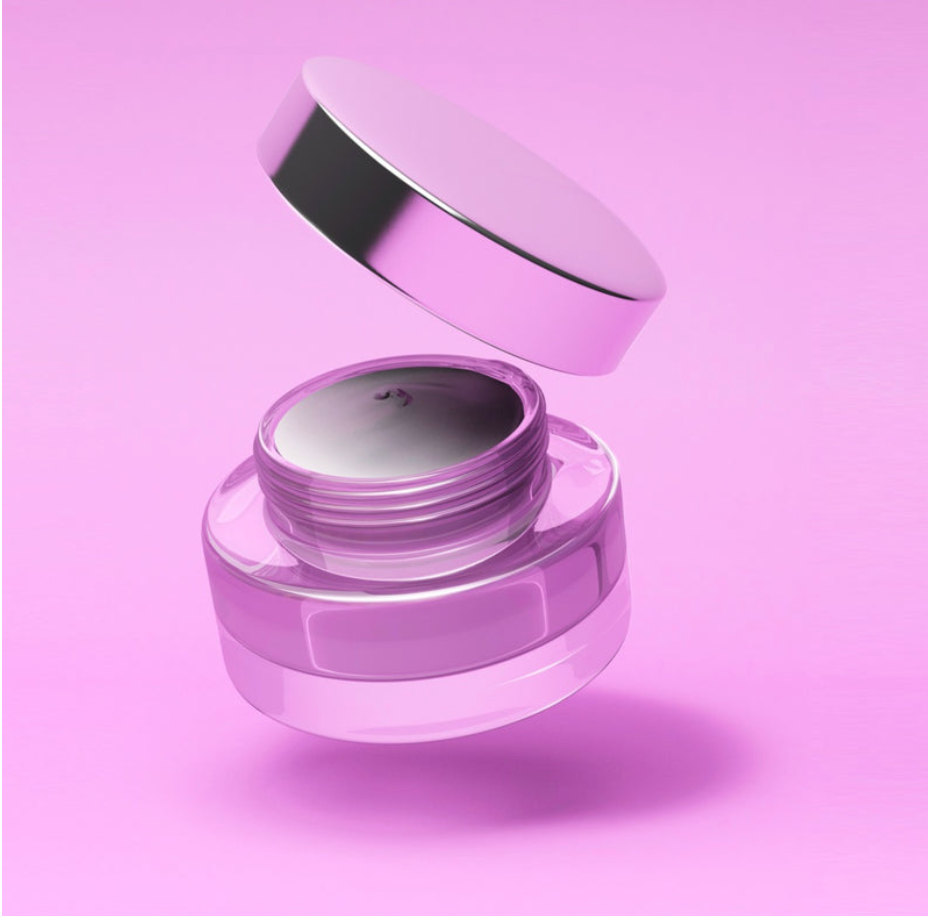
Choosing the Best Packaging for Beauty Products: Materials, Costs & Tips
Choosing the Best Packaging for Beauty Products: Materials, Costs & Tips
In the competitive beauty industry, choosing the best packaging for beauty products can significantly impact how customers perceive your brand. Packaging is often the first interaction a customer has with your product, and it influences purchasing decisions, brand trust, and overall shelf appeal.
Whether you are launching a skincare line, hair care collection, or wellness brand, selecting the right cosmetic packaging materials and designs can improve both product performance and customer experience.
This guide explains how to choose the best packaging for beauty products, including popular materials, cost considerations, sustainability trends, and practical tips for growing brands.
Why Beauty Product Packaging Matters
Packaging does much more than hold a product. It communicates brand value, protects the formula, and helps products stand out in crowded markets.
Well-designed cosmetic packaging can:
- Improve brand recognition
- Protect sensitive ingredients
- Extend product shelf life
- Create premium product perception
- Increase retail and ecommerce conversions
For brands developing private label beauty products, packaging is a critical part of building a professional and trustworthy identity. Consumers often judge the quality of a product by the packaging before they ever try the formula inside.
Common Packaging Materials for Beauty Products
Different materials offer unique advantages depending on the product type, price point, and sustainability goals.


Glass Packaging
Glass is widely considered one of the best packaging materials for beauty products, especially in premium skincare lines.
Advantages
- Highly durable and protective
- Preserves sensitive formulations
- Creates a premium appearance
- Fully recyclable
Common uses
- Serums
- Facial oils
- Essential oils
- High-end creams
However, glass packaging can be heavier and more expensive to ship. Brands selling primarily through ecommerce often consider shipping weight when selecting packaging materials.
Plastic Packaging
Plastic remains one of the most commonly used materials in the beauty industry due to its versatility and affordability.


Advantages
- Lightweight
- Cost-effective
- Highly customizable
- Durable for shipping
Common uses
- Shampoos and conditioners
- Body lotions
- Face cleansers
- Hair styling products
Many brands now use recycled plastic or biodegradable plastic packaging to reduce environmental impact while maintaining affordability.
Aluminum and Metal Packaging
Metal packaging is becoming increasingly popular for sustainable beauty brands.

Advantages
- Highly recyclable
- Lightweight yet durable
- Protects against light and oxygen
- Modern and minimal aesthetic
Common uses
- Solid balms
- Lip products
- Natural skincare
- Travel-friendly products
Aluminum packaging is especially common in eco-friendly beauty brands because it is easily recyclable and lightweight.
Airless Pump Packaging
Airless pump systems are designed to protect delicate formulations from contamination and oxidation.


Advantages
- Extends product shelf life
- Prevents bacteria contamination
- Reduces product waste
- Allows controlled dispensing
Common uses
- Anti-aging creams
- Sensitive skincare formulas
- Medical-grade skincare
- Premium cosmetic products
Cost Factors in Beauty Packaging
The cost of beauty product packaging depends on several factors:
- Material choice – Glass and aluminum are usually more expensive than plastic.
- Customization level – Custom molds, embossing, and specialty finishes increase packaging costs.
- Order quantity – Larger packaging orders typically reduce per-unit costs.
- Printing and labeling – Options include screen printing, digital printing, foil stamping, and pressure-sensitive labels.
Many emerging brands start with stock packaging and custom labels before moving into fully custom packaging.
Sustainable Packaging Trends in Beauty
Consumers are increasingly choosing brands that prioritize sustainability.
- Refillable cosmetic containers
- Recycled plastic packaging
- Aluminum and metal containers
- Minimal packaging design
- Biodegradable materials
Tips for Choosing the Best Packaging for Beauty Products
- Match packaging to the product formula
- Consider customer experience
- Align with brand identity
- Think about shipping and storage
- Plan for scalability
Packaging and Brand Differentiation
In crowded beauty markets, packaging is one of the fastest ways to differentiate your brand.
- Distinct bottle shapes
- Minimalist design
- Sustainable materials
- Bold color palettes
- Premium finishes such as matte coatings or foil stamping
Conclusion
Choosing the best packaging for beauty products involves balancing aesthetics, functionality, cost, and sustainability.
Glass packaging offers premium appeal and strong product protection. Plastic packaging provides affordability and versatility. Aluminum packaging supports sustainability and modern design. Airless packaging protects sensitive formulations and enhances product longevity.
By carefully selecting the right packaging materials and design elements, beauty brands can improve product performance, strengthen brand identity, and create memorable customer experiences.
FAQ: Best Packaging for Beauty Products
What is the best packaging material for beauty products?
Glass is often considered the best packaging material for premium beauty products because it preserves formulations and offers a luxurious appearance.
Is glass or plastic better for skincare packaging?
Glass provides better protection for sensitive ingredients, while plastic is lighter and more affordable for large-scale production.
What packaging is best for skincare serums?
Serums are typically packaged in glass dropper bottles or airless pump containers.
What is sustainable beauty packaging?
Sustainable packaging includes recyclable materials, refillable containers, biodegradable materials, and packaging made from recycled plastics.
How do new beauty brands choose packaging?
Many new brands start with stock packaging and custom labels, then transition to fully custom packaging as their brand grows.
Read more
The skincare industry continues to be one of the fastest-growing sectors in beauty and personal care. Every year, thousands of entrepreneurs launch new skincare brands, inspired by growing consumer...
Launching a beauty brand is an exciting journey, but one of the most important decisions you'll make happens long before your first sale. Choosing the right private label manufacturer can determine...