How to Build a Private Label Tattoo Aftercare Brand: Products, Packaging and Positioning
Tattoo aftercare is a specialised product category that gives entrepreneurs, tattoo studios and beauty businesses an opportunity to develop a distinctive brand. From cleansing products and moisturising care to balms and everyday skin support, a well-planned collection can help customers find products suited to their aftercare routine.
For a business entering this category, private label manufacturing can provide a practical route to launching branded products without necessarily developing every formula independently. However, building a credible tattoo aftercare brand requires more than selecting products and adding a logo. Your range needs a clear audience, appropriate product choices, responsible claims, thoughtful packaging and a realistic commercial strategy.
This guide explores how to plan a private label tattoo aftercare collection, choose products, establish a brand identity, evaluate manufacturing partners and prepare your business for launch.
1. Understand the Tattoo Aftercare Market
Tattoo aftercare sits at the intersection of personal care, body art and skincare. Customers may encounter aftercare recommendations immediately after getting tattooed, while browsing products online or when purchasing supplies recommended by a professional tattoo artist.
This creates several potential audiences for a private label brand. Tattoo studios may want branded products to complement their services. Independent retailers may be looking for specialist personal care products. Ecommerce entrepreneurs may want to build a focused collection for tattoo enthusiasts.
Each audience has different purchasing priorities. A tattoo studio may value convenient retail products that fit naturally into its customer experience. An online brand may place greater emphasis on product education, packaging presentation and content that answers common customer questions.
Start with a specific customer
Before selecting products, decide who you want to serve. You might focus on independent tattoo studios, established tattoo artists, tattoo supply retailers or consumers looking for products intended for tattoo aftercare.
Research the needs of that audience. Talk to potential business customers, examine competing product ranges and identify the questions customers regularly ask. Look for opportunities to make product selection, instructions, packaging or purchasing more straightforward.
Identify a clear market position
A brand can distinguish itself through a professional studio-focused identity, a minimalist design direction, accessible product education or a carefully curated range. Your position should be easy to understand and supported by the products you offer.
A distinctive identity does not require exaggerated promises. In a specialised category, clear information, appropriate products and consistent presentation can help establish trust more effectively than dramatic claims.
Build around a clear need. The strongest starting point for a tattoo aftercare brand is a specific audience and a useful product offering, not simply a long list of products.
2. Decide Which Tattoo Aftercare Products to Offer
Your first product range should be selected according to your target customer, intended product uses and available budget. A focused collection is often easier to explain and manage than a broad assortment launched without a clear purpose.
Gentle cleansing products
Cleansing products may form part of an aftercare range where the formulation and intended use are appropriate. Customers need clear directions and accurate information about how and when a product should be used.
When evaluating a cleanser, review its intended use, product specifications, packaging, directions and applicable labelling requirements. Avoid assuming that every general-purpose cleanser is suitable for freshly tattooed skin.
Moisturising products
Moisturising products may be relevant to customers seeking products for their skin care routine around tattoo aftercare. Consider the texture, format, application instructions and the stage of use for which the product is intended.
Be precise when describing the product. General moisturising or skin-conditioning language may be appropriate for some products, but claims about healing, infection prevention or treatment require careful evaluation and may change how a product is regulated.
Balms and skin-conditioning products
Balms can be an appealing format within a tattoo-focused personal care range. Their texture, packaging and application method can help define the customer experience. However, suitability depends on the actual formulation and its approved intended use.
Confirm that product directions, warnings and marketing are consistent with the manufacturer's information. Do not assume that a product is suitable for use on freshly tattooed or compromised skin without appropriate support for that intended use.
Products for ongoing skin care
Your brand may also consider products positioned for everyday skin care after the initial tattoo aftercare period, if those products fit the manufacturer's intended use. This can give the collection a broader role in customers' personal care routines.
Keep the distinction between aftercare and everyday skin care clear. Customers should understand what each product is designed for and whether it is intended for use on intact skin or another specific application.
Evaluate each potential product against these questions:
- Does it meet a genuine need for the intended customer?
- Is its intended use clearly defined?
- Is the product suitable for the use described by the manufacturer?
- Can the directions and warnings be communicated clearly?
- Does it complement the rest of the range?
- Can the product be priced sustainably?
- Can you support the inventory and packaging requirements?
3. Build a Brand Identity That Fits the Tattoo Industry
Brand identity influences how customers perceive a product before they have tried it. In the tattoo industry, your visual language should communicate the character of your business while remaining readable, professional and appropriate for the audience.
Some brands may prefer a bold, graphic identity influenced by tattoo culture. Others may choose a restrained, contemporary appearance that feels closer to premium personal care. Neither direction is automatically better. The right approach depends on the customers you want to attract and the position you want the brand to occupy.
Choose a consistent visual system
Start with a brand name, typography, colour palette and logo system. Decide how these elements will appear on product labels, shipping materials, your website, product photography and social media.
Consistency helps customers recognise the range across different touchpoints. It also makes future product launches easier because new items can follow an established design structure.
Make product names easy to understand
Creative naming can give your brand personality, but customers should still be able to identify what each item is. Pair distinctive product names with clear descriptions such as cleanser, moisturiser or balm where appropriate.
A customer should not have to guess whether a product is intended for cleansing, moisturising or another purpose. Clear product hierarchy helps reduce confusion and makes the range easier to navigate online and in retail settings.
Keep the experience consistent
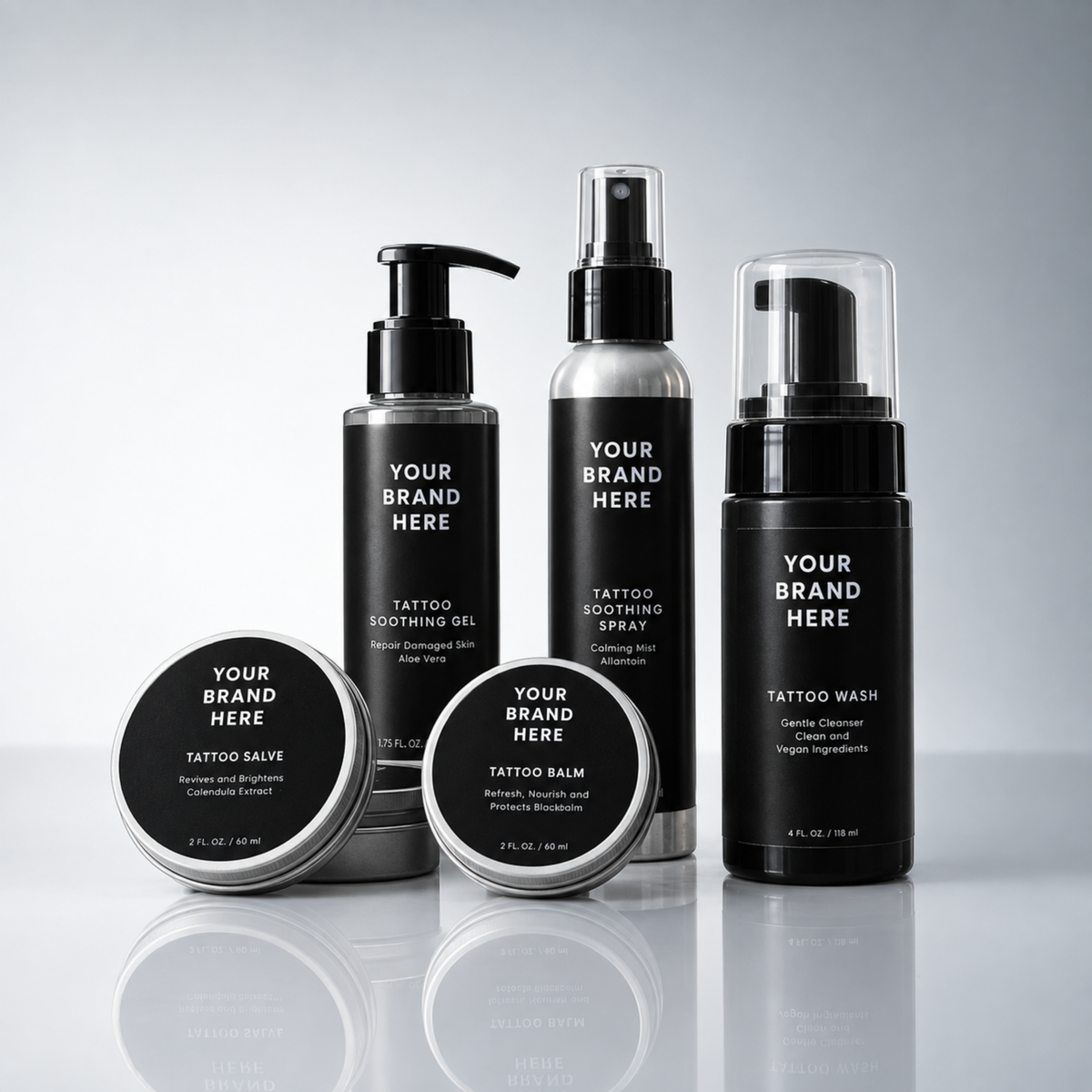
Consider how your brand looks when several products are displayed together. Labels should feel related, product names should follow a consistent approach and the packaging should look like a coordinated collection.
Consistency matters on your website as well. Use a similar photography style, repeatable product-page structure and clear descriptions to create a professional experience from discovery through purchase.
4. Choose Packaging That Supports the Product
Packaging is both a design decision and a practical requirement. The container must be compatible with the product, suitable for its intended use and able to accommodate the information required for the target market.
Consider the format
Different products may need different packaging formats. Cleansers, lotions and balms do not necessarily have the same dispensing or storage requirements. Ask your manufacturing partner which options are compatible with the product and what limitations apply.
Review the container size, closure, dispensing method and label dimensions before finalising artwork. The package should be practical for the customer and consistent with the product's intended use.
Prioritise legibility
Product packaging should make the product identity and essential information easy to find. Avoid allowing decorative graphics or complex typography to overpower the directions, warnings or other required information.
Confirm the label's available space before design approval. The final artwork may need to accommodate ingredients, quantity, directions, warnings, responsible business details and other information required by local regulations.
Design for the complete collection
Plan the labels as a system rather than designing each item in isolation. Consistent typography, spacing and layout help create a cohesive range, while colour accents or clear descriptors can distinguish products.
Before production, proofread every label and verify product names, spelling, ingredients, directions and claims against the approved product information. Errors discovered after printing can cause delays and additional costs.
5. Understand Private Label Manufacturing
Private label manufacturing allows a business to sell selected products under its own brand. Depending on the manufacturer, the process may involve choosing from existing products, selecting packaging, preparing branded artwork and coordinating production.
It can be a practical route for entrepreneurs who want to concentrate on their audience, brand and sales channels rather than undertaking every aspect of product development themselves.
Clarify what the manufacturer offers
Not every manufacturer provides the same products or services. Some may offer existing formulations and packaging options, while others may provide additional development or customisation services. Confirm the scope of the offering before making assumptions about what is possible.
Ask for information about product specifications, minimum order quantities, lead times, packaging choices, artwork requirements and the costs included in a quotation.
Review product documentation
Request the documentation relevant to the product and your target market. You should understand the product's intended use, ingredient information, directions, warnings and any supporting material needed for appropriate claims and compliance review.
Make sure the product you select is suitable for the way you intend to market it. A product designed for general moisturising should not automatically be marketed as a treatment for a tattoo-related medical concern.
Understand responsibilities before launch
Private label arrangements do not automatically transfer every regulatory or commercial responsibility to the manufacturer. Depending on the agreement and jurisdiction, your business may have obligations relating to product labelling, claims, safety, importation or distribution.
Confirm these responsibilities in advance and seek qualified advice where necessary. Knowing who is responsible for each task makes the launch process more predictable.
6. Price Your Products for Sustainable Growth
Pricing affects the financial health of your business and the way customers perceive your brand. Your prices should fit your intended position while leaving enough room to cover product costs, selling expenses and future investment.
Calculate the full product cost
Begin with the manufacturing cost and identify any separate charges for packaging, labels, artwork, freight or other direct expenses. Check what is already included in the quotation so that you do not count costs twice.
Then account for the expenses associated with selling the product, including payment processing, fulfilment, shipping subsidies, advertising and any retailer or distributor arrangements.
Understand gross margin
Gross margin measures gross profit as a percentage of selling revenue after the direct cost of goods sold has been deducted. It is useful for evaluating products, but it does not include every operating expense.
Gross margin = (Selling price − Direct product cost) ÷ Selling price × 100
For example, if a product sells for $20 and its direct product cost is $8, gross profit is $12 and gross margin is 60%, before marketing, fulfilment and other operating expenses.
Plan for different sales channels
If you sell directly to consumers, you need to account for customer acquisition, ecommerce operations and order fulfilment. If you sell through tattoo studios, retailers or distributors, calculate profitability using the actual wholesale price you will receive.
Wholesale pricing needs to leave room for your own costs and profit while allowing the buyer to operate sustainably. Do not set a retail price without checking whether the numbers work for your intended distribution model.
For a broader explanation of pricing decisions, review the principles discussed in our guide to building a private label product brand with Brandology Labs.
7. Decide Who Will Sell Your Products
A strong product range needs a clear route to market. Decide whether you intend to sell directly to tattoo enthusiasts, supply tattoo studios, approach specialist retailers or combine several channels.
Sell directly online
An ecommerce website gives you control over product presentation, educational content and the customer experience. You can explain what each product is intended for, show the packaging clearly and make relevant information available before purchase.
However, a website needs a plan for generating traffic. Consider search-friendly content, product photography, social media, partnerships and other channels that reach your intended customers. You will also need to manage orders, customer questions, shipping and returns.
Partner with tattoo studios
Tattoo studios may be suitable business customers when your products fit their needs and intended use. Research the studios you want to approach and understand how they currently recommend or sell aftercare products.
Prepare clear product information, wholesale terms and ordering details. Your brand should make it easy for a studio to understand what the products are, how they are intended to be used and how the range fits its customer experience.
Explore specialist retail
Specialist retailers may offer another route to customers who are already interested in tattoo products. Before approaching a buyer, prepare a product catalogue, consistent photography, a wholesale price list and accurate information about availability and replenishment.
Consider the operational requirements of each channel. A large retail order may create opportunities for volume, but you need sufficient inventory and a pricing structure that supports the order.
8. Create Product Pages That Answer Customer Questions
Your product pages should make the range easy to understand. Customers need to know what each product is, what it is intended for, how to use it and which precautions apply.
Write specific descriptions
Use clear language to explain the product's intended function. Avoid vague claims that sound impressive but provide little practical information. If a product is a moisturiser, describe its intended moisturising role rather than implying that it treats a medical condition.
Provide clear directions and warnings
Use the approved product information when describing how a product should be used. Make relevant warnings and limitations easy to locate, and ensure that the online description does not conflict with the product label.
Because tattoo aftercare can involve skin that is still healing, do not recommend applying a product to freshly tattooed or compromised skin unless that use is appropriate for the product and supported by the manufacturer's instructions and applicable requirements.
Use professional product photography
Consistent photography helps establish a recognisable brand. Capture clear product images that show the label and packaging, and use additional images to explain the range where appropriate.
Make sure that the images accurately represent the product customers will receive. Product size, label details and packaging should not be presented in a misleading way.
9. Develop a Content Strategy Around Tattoo Aftercare
Educational content can help your brand become more useful to customers and more discoverable through search. Instead of relying exclusively on promotional posts, consider answering the questions people commonly ask about product selection and aftercare routines.
Build content around customer questions
Potential topics include how to read aftercare product labels, how to compare different product formats, what information to ask a tattoo artist about and how to understand a product's intended use.
Keep the content factual and avoid replacing professional medical advice. If a question concerns infection, an adverse reaction or another medical issue, direct readers to an appropriate healthcare professional rather than positioning a cosmetic product as treatment.
Use search-friendly product education
Organise your content around relevant questions and use descriptive headings. Explain important terms, link to related product pages and make the next step clear for readers who want to learn more about your brand.
Relevant internal links can help visitors explore your website and help search engines understand how your content relates to your products and services. Links should be useful to readers rather than added simply to increase their number.
Keep your message consistent
Use the same product names, intended-use language and brand positioning across your website, social media, catalogue and packaging. Consistency reduces confusion and helps your business present itself professionally.
10. Plan Inventory and Reordering Before Launch
Inventory is one of the most important financial considerations for a new private label business. You must pay for products before all the units have been sold, so your initial order needs to fit your budget and realistic sales expectations.
Minimum order quantities, manufacturing lead times and packaging requirements can all affect how much stock you need to purchase. Ask the manufacturer for clear information and use it to plan your launch rather than relying on assumptions.
Launch with a manageable range
A focused collection can help you learn which products customers want most. It can also simplify product photography, content creation, stock management and customer education.
Forecast different sales scenarios
Estimate how many units you expect to sell in a typical month. Then consider what happens if sales are slower or faster than expected. Include the time needed to place and receive another order so you can identify potential stock shortages early.
Track sales and customer feedback
Monitor sales by product, repeat purchasing, customer questions and the rate at which inventory moves. Use this information to decide which products deserve additional investment and which may need clearer descriptions, different positioning or a review of their place in the range.
A growing brand benefits from making decisions based on evidence. Avoid expanding simply because more products are available; expand when the additional products fit customer needs and the business can support them.
11. Avoid Common Tattoo Aftercare Branding Mistakes
Using unsupported healing claims
Claims about healing, infection prevention or treatment can carry regulatory implications and require appropriate evidence. Do not assume that a personal care product can make these claims simply because it is marketed for tattoo aftercare.
Choosing products before defining the audience
A collection without a clear target customer can be difficult to position and promote. Start by understanding the people or businesses you intend to serve, then select products that match their needs.
Prioritising design over readability
Strong visual identity matters, but it should not make the label difficult to read. Make sure product names, directions and required information remain clear and accessible.
Ignoring the cost of selling
The difference between manufacturing cost and retail price is not the same as net profit. Include fulfilment, payment processing, marketing and other expenses when evaluating whether a product can support your business.
Launching without a replenishment plan
Even a successful launch can create problems if you cannot replenish popular products. Understand lead times, minimum quantities and the cash required for repeat orders before committing to your first production run.
12. Private Label Tattoo Aftercare Launch Checklist
Use this checklist to prepare your launch:
- Define your target audience and brand positioning.
- Research competing products and customer questions.
- Choose a focused and coherent product range.
- Evaluate manufacturers and available product options.
- Confirm intended use and relevant product documentation.
- Understand minimum quantities, costs and lead times.
- Calculate pricing for direct and wholesale sales.
- Develop a consistent identity and packaging system.
- Review product labels and all marketing claims.
- Confirm applicable regulatory responsibilities.
- Prepare accurate product pages and photography.
- Plan your website, content and sales channels.
- Forecast inventory and cash flow.
- Set up a process for tracking sales and feedback.
13. Turn Your Product Idea Into a Recognisable Brand
A private label tattoo aftercare brand is built through a series of connected decisions. Your audience determines which products make sense. Your products influence packaging, pricing and the information customers need. Your sales channels determine how you present the range and manage orders.
When those decisions work together, your business has a clearer foundation for building customer awareness and developing a consistent product collection.
You do not need to launch with the largest possible range. Start with products that have a clear role, communicate their intended use responsibly and create a brand experience that makes sense for your audience. Learn from customer feedback and use actual sales information to guide future decisions.
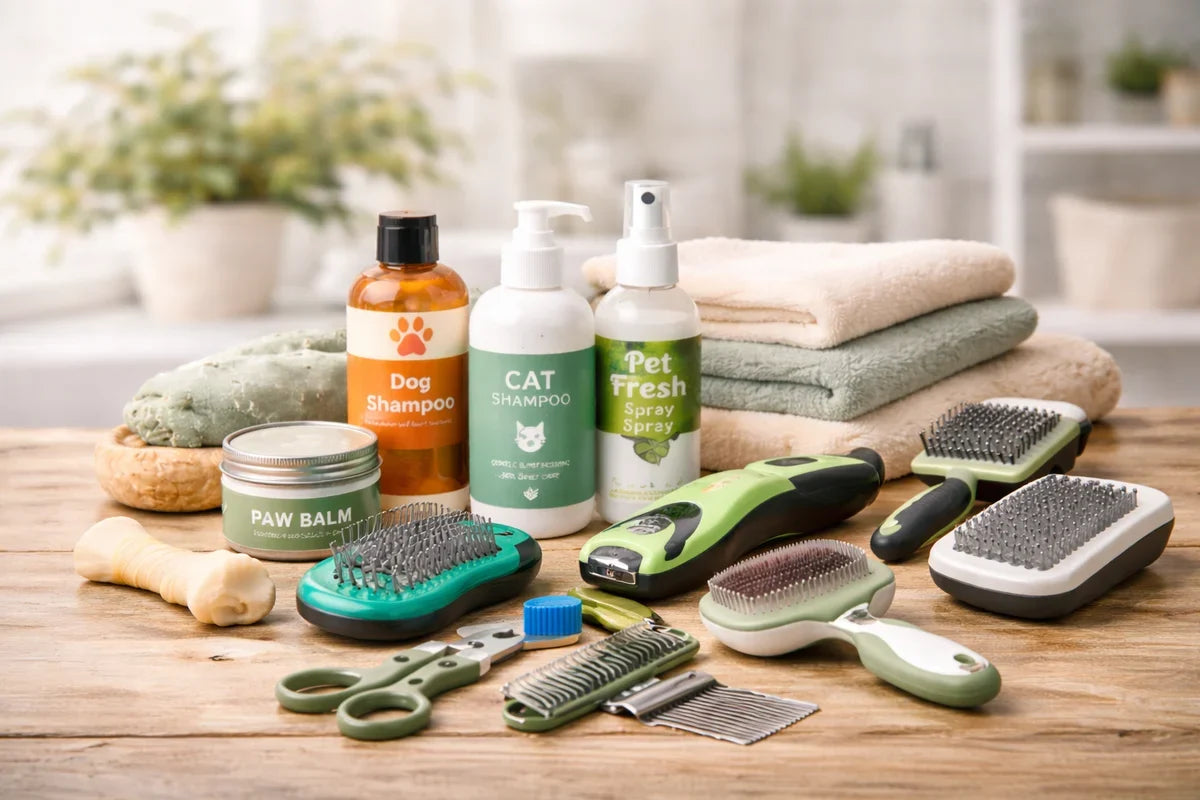
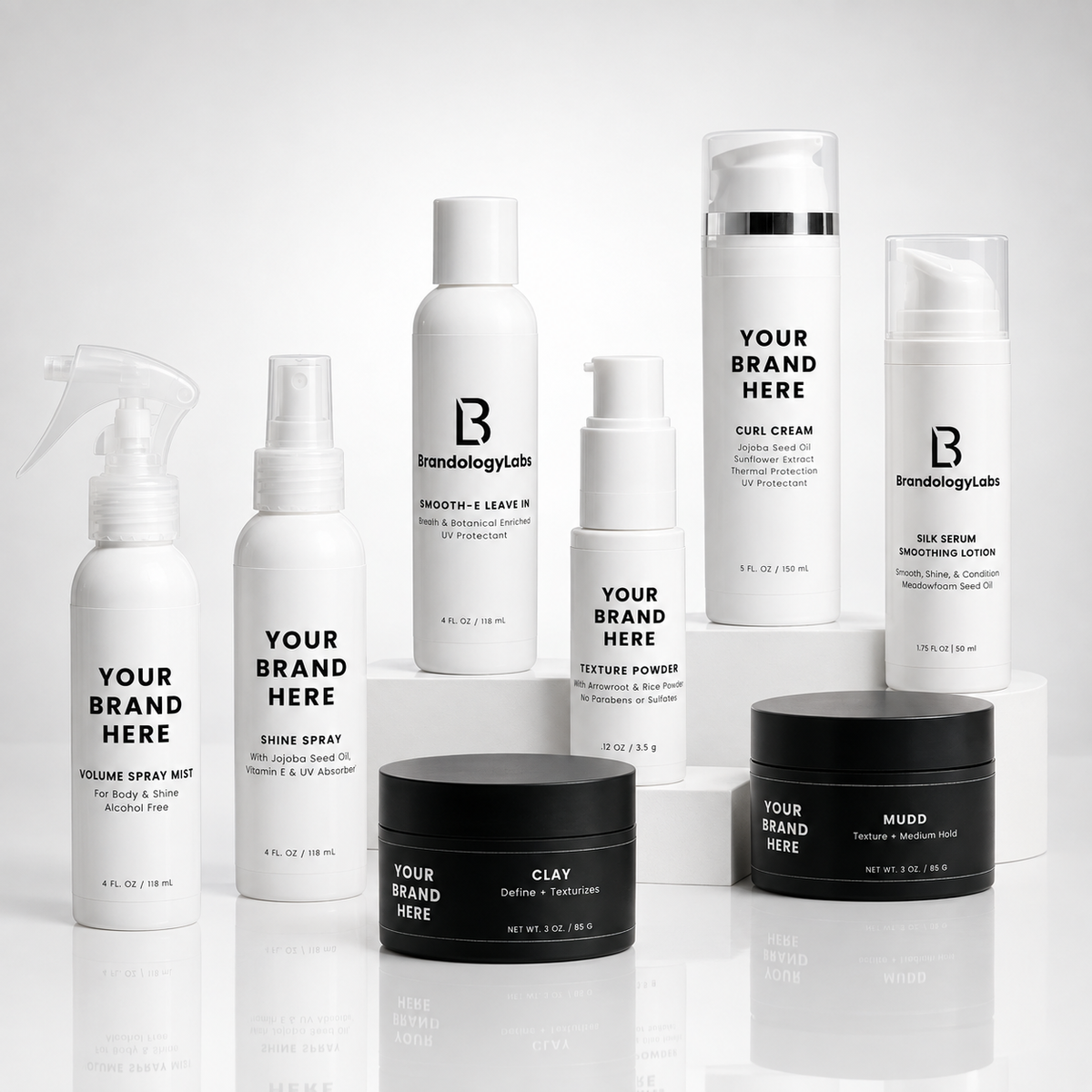
Brandology Labs supports businesses exploring private label product opportunities across multiple categories. You can also explore our private label hair care range, cosmetics products and pet care collection to learn more about the wider range of categories available on the site.
Whether you are building a specialist tattoo aftercare business or exploring a broader personal care brand, the goal is the same: choose products thoughtfully, understand your market and create a consistent experience that customers can recognise.
Frequently Asked Questions About Private Label Tattoo Aftercare
What is a private label tattoo aftercare brand?
A private label tattoo aftercare brand sells products under its own brand identity using products supplied or manufactured by a third-party partner. Depending on the manufacturer's offering, the business may select products, choose packaging and create branded labels for its intended market.
Which products can a tattoo aftercare brand offer?
Depending on the available products and their intended uses, a range may include cleansing products, moisturising products, balms or other skin-conditioning products. Select products based on customer needs, manufacturer guidance and the requirements that apply in your target market.
Do I need to develop my own tattoo aftercare formula?
Not necessarily. Some private label manufacturers offer existing product options, while others may provide custom development services. Ask what is available, what each option costs and what documentation supports the intended use of the product.
How much does it cost to start a tattoo aftercare brand?
Costs depend on product selection, minimum order quantities, packaging, artwork, freight, compliance requirements and marketing. Request a detailed quotation and prepare a budget that covers both initial inventory and the expenses required to sell the products.
Can I sell tattoo aftercare products to tattoo studios?
Tattoo studios may be potential wholesale customers if your products meet their needs and are suitable for their intended use. Research prospective customers, prepare clear product information and ensure that your pricing and supply arrangements support the relationship.
Can tattoo aftercare products be sold online?
Online sales may be an option, subject to the requirements that apply to your products and market. Provide accurate product descriptions, directions, warnings and relevant information, and establish a plan for marketing, fulfilment and customer service.
Can I claim that my product heals tattoos?
Do not make healing or treatment claims without confirming that they are lawful for your product and supported by appropriate evidence. Such claims may affect how the product is regulated. Use accurate descriptions consistent with the product's intended use and seek qualified regulatory advice where needed.
What should I check before choosing a manufacturer?
Review product specifications, intended use, ingredients information, minimum quantities, packaging options, costs, lead times and available documentation. Confirm which services are included and which regulatory or commercial responsibilities remain with your business.
How do I price private label tattoo aftercare products?
Calculate direct product costs and include relevant packaging and freight expenses. Then account for selling costs such as fulfilment, payment fees and marketing. Compare suitable products in the market and check that your retail or wholesale price supports your business goals.
Can I expand into other private label categories later?
Yes, provided the new categories fit your brand strategy, customer needs and operational capabilities. Evaluate each opportunity separately, including product suitability, costs, compliance, packaging and expected demand.
Ready to Explore Private Label Manufacturing?
Start planning your product range with a clear understanding of your audience, your brand identity and the products you want to bring to market.
Explore Brandology Labs to learn more about private label opportunities across hair care, cosmetics, pet care and other product categories.
Explore Brandology LabsHave questions about your plans? Contact our team to discuss your next steps.