
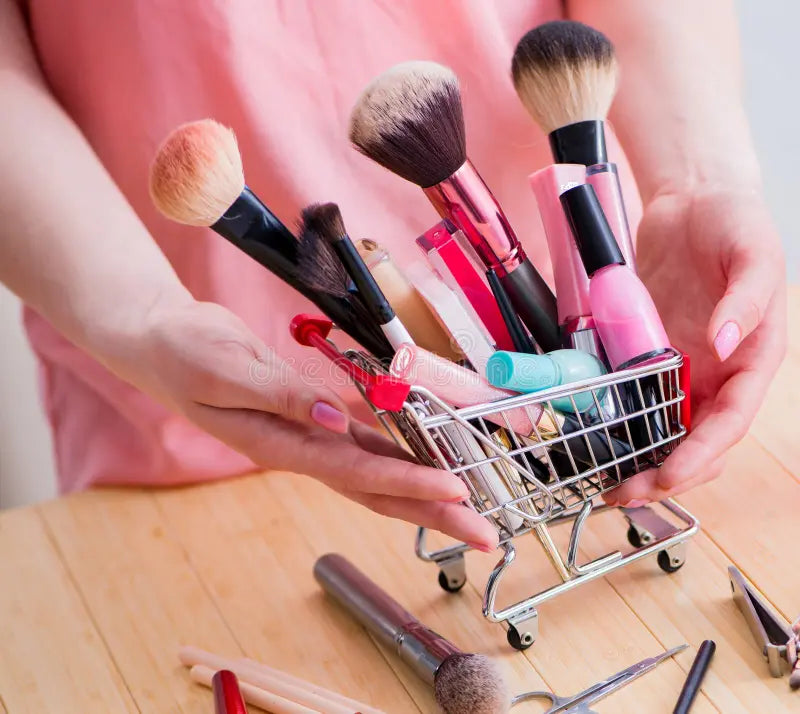
Why Clean Beauty Brands Are Reshaping the Future of the Beauty Industry
Why Clean Beauty Brands Are Reshaping the Future of the Beauty Industry
The clean beauty movement has evolved from a niche trend into one of the most influential forces shaping the modern beauty industry. Consumers today are more informed than ever before, and their purchasing decisions are increasingly influenced by ingredient transparency, sustainability, ethical sourcing, and overall product safety. What was once considered a small category aimed at highly conscious consumers has now become a mainstream expectation across skincare, hair care, body care, and personal wellness markets.
This transformation has created enormous opportunities for entrepreneurs looking to launch modern beauty brands aligned with evolving consumer values. Today’s consumers no longer purchase products solely based on packaging or marketing claims alone. Instead, they actively research ingredients, production methods, environmental impact, and brand ethics before making purchasing decisions.
At the same time, the rapid growth of clean beauty has intensified competition significantly. New brands are entering the market constantly, making strategic branding, transparency, and customer trust more important than ever before. Success within the clean beauty industry requires far more than simply labeling products as natural or sustainable. Brands must create authentic experiences and deliver consistent value while maintaining credibility and emotional connection.
Private label manufacturing has become one of the most effective ways for entrepreneurs to enter the clean beauty market efficiently. By leveraging professionally developed formulations and scalable production systems, businesses can focus heavily on branding, storytelling, and customer acquisition while minimizing operational complexity and development costs.
1. The Rise of Ingredient-Conscious Consumers
One of the biggest drivers behind the clean beauty movement is the rise of ingredient-conscious consumers. Modern consumers are increasingly interested in understanding exactly what they apply to their skin, scalp, and body on a daily basis.
Social media, online education, beauty influencers, and digital transparency have dramatically increased consumer awareness surrounding ingredients, product safety, and long-term wellness. Consumers today actively research ingredient lists and seek products that align with their personal preferences and lifestyle values.
This shift has transformed ingredient transparency into a major competitive advantage within the beauty industry.
2. Why Clean Beauty Is a High-Growth Market
The clean beauty market continues growing rapidly because it aligns directly with larger consumer trends surrounding wellness, self-care, sustainability, and conscious consumption. Consumers increasingly want products that support both personal health and environmental responsibility.
In addition, clean beauty products naturally encourage recurring purchasing behavior because skincare, hair care, and personal care products become integrated into daily routines. This creates strong opportunities for customer retention and long-term revenue growth.
Brands capable of building trust and emotional loyalty within the clean beauty category often achieve strong customer lifetime value and repeat purchasing behavior.
3. The Importance of Authentic Branding
Authenticity plays a critical role within the clean beauty industry because consumers are highly skeptical of exaggerated marketing claims and superficial branding strategies. Consumers today can quickly identify when a brand’s messaging feels disconnected from its actual practices.
Successful clean beauty brands therefore focus heavily on transparency, consistency, and honest communication. This includes clear ingredient explanations, realistic product claims, and open discussions surrounding sourcing and manufacturing practices.
Brands that maintain authenticity often build significantly stronger customer trust and long-term loyalty.
4. Leveraging Private Label Manufacturing
Private label manufacturing has become increasingly important within the clean beauty industry because it allows entrepreneurs to launch products efficiently without investing heavily in custom formulation infrastructure and production facilities.
Experienced manufacturers often provide professionally developed formulations aligned with modern clean beauty standards, allowing businesses to reduce startup costs while accelerating time to market.
Private label also allows brands to customize packaging, fragrances, ingredient preferences, and overall visual identity while benefiting from scalable operational systems and established manufacturing expertise.
5. Sustainability as a Brand Advantage
Sustainability has become one of the most influential purchasing factors within the beauty industry. Modern consumers increasingly expect brands to demonstrate environmental responsibility through packaging choices, sourcing practices, and production methods.
Many consumers actively seek recyclable packaging, cruelty-free products, ethically sourced ingredients, and environmentally responsible manufacturing processes.
However, sustainability messaging must feel authentic and supported by meaningful action because consumers are increasingly critical of superficial environmental claims and greenwashing strategies.
6. Packaging and Visual Identity
Packaging design plays a major role within the clean beauty industry because consumers often associate minimalist, modern, and clean visual presentation with product quality and transparency.
Modern consumers are highly drawn to products that feel aesthetically aligned with wellness, simplicity, and conscious living. Packaging therefore becomes an important extension of the overall brand experience and emotional positioning.
For many successful clean beauty brands, packaging functions not only as product protection but also as a major branding and customer acquisition asset.
7. The Role of Education in Clean Beauty
Education has become one of the most valuable long-term growth strategies within the clean beauty industry because consumers actively seek information surrounding ingredients, routines, and product benefits.
Brands that consistently educate consumers through blogs, social media content, ingredient guides, and tutorials often position themselves as trusted authorities within the market.
Educational content also improves customer confidence and strengthens trust by helping consumers make informed purchasing decisions.
8. Building a Digital-First Brand
Modern clean beauty brands are built primarily online. E-commerce stores, social media platforms, influencer partnerships, and digital advertising have become the dominant channels for brand discovery and customer acquisition.
This digital-first environment has created opportunities for smaller brands to compete effectively against larger corporations through strong storytelling, niche positioning, and emotionally driven branding.
A cohesive website, educational content strategy, and visually consistent branding are now essential components of long-term growth within the clean beauty industry.
9. Social Media and Consumer Trust
Social media platforms such as Instagram, TikTok, Pinterest, and YouTube have become highly influential within the clean beauty market because consumers rely heavily on visual demonstrations, ingredient discussions, and relatable product reviews.
Consumers increasingly discover brands through skincare routines, educational videos, wellness-focused creators, and authentic testimonials shared online.
Brands that consistently create transparent, educational, and visually engaging content often build stronger online communities and customer trust.
10. Influencer Marketing and Authenticity
Influencer marketing remains highly effective within the clean beauty space because consumers trust creators who share genuine experiences and educational insights regarding products and ingredients.
However, authenticity remains essential. Consumers quickly recognize partnerships that feel overly commercial or disconnected from the creator’s audience and values.
Successful clean beauty brands therefore prioritize long-term collaborations with creators whose lifestyle, audience, and messaging naturally align with the brand identity.
11. Customer Retention Through Community Building
Community building has become one of the most powerful long-term growth strategies within the clean beauty industry because consumers increasingly seek emotional connection and shared values from the brands they support.
Brands that create communities centered around wellness, transparency, self-care, and conscious living often achieve significantly stronger customer loyalty and retention rates.
Consumers who feel emotionally connected to a brand’s mission and values are far more likely to become repeat customers and long-term advocates.
12. Product Ecosystem Expansion
Clean beauty brands often benefit from ecosystem-based growth because consumers who trust one product are highly likely to purchase complementary products from the same brand.
Brands can strategically expand into categories such as skincare, hair care, body care, wellness products, and self-care collections over time. This increases customer lifetime value while strengthening overall brand positioning.
Expansion strategies should remain aligned with the brand’s mission, audience, and long-term vision rather than reacting impulsively to short-term trends.
13. Subscription Models and Recurring Revenue
Subscription models perform exceptionally well within the clean beauty industry because many products require regular replenishment. Recurring delivery systems create convenience for consumers while generating predictable recurring revenue for brands.
Subscriptions also improve customer retention by integrating products more deeply into consumers’ routines and purchasing habits.
For many clean beauty brands, subscription models have become highly effective long-term growth strategies.
14. Scaling Through Operational Efficiency
As clean beauty brands grow, operational complexity increases significantly. Inventory management, fulfillment logistics, production scheduling, and customer service all become more demanding as order volume rises.
Private label manufacturing helps simplify scaling by providing reliable production infrastructure and scalable operational systems capable of supporting long-term growth efficiently.
This allows entrepreneurs to focus more heavily on branding, customer acquisition, educational content, and strategic expansion rather than manufacturing bottlenecks.
15. The Future of Clean Beauty Brands
The future of clean beauty will likely be shaped by transparency, sustainability, wellness integration, and digitally driven community building. Consumers increasingly expect brands to provide clear information, authentic messaging, and products aligned with both personal wellness and environmental responsibility.
At the same time, smaller brands that combine quality products with authentic storytelling and educational value will continue gaining market share within the beauty industry.
The brands that succeed long-term will be those capable of balancing operational efficiency with trust, emotional connection, and ethical credibility.
16. Final Thoughts
The clean beauty industry represents one of the most exciting opportunities within the modern beauty market because of its strong emotional connection, recurring demand structure, and alignment with evolving consumer values. Consumers continue seeking products and brands that support transparency, wellness, sustainability, and conscious living.
Private label manufacturing has made launching clean beauty brands more accessible than ever before, allowing entrepreneurs to focus heavily on branding, customer experience, and digital marketing rather than manufacturing complexity alone. By combining authentic positioning, educational content, and scalable operational systems, entrepreneurs can build clean beauty brands capable of achieving sustainable long-term growth within an increasingly competitive industry.
Read more
The wellness industry has rapidly evolved into one of the most influential sectors within the global beauty and personal care market. What was once considered a niche category focused primarily on ...
The hair care industry has evolved into one of the most influential and rapidly growing sectors within the global beauty market. What was once considered a basic category centered primarily around ...