
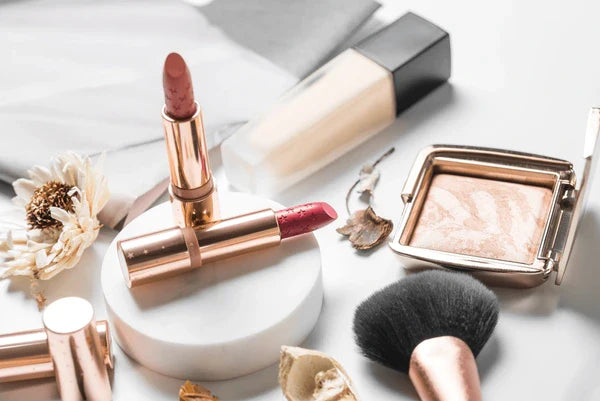
Why Clean Beauty Brands Are Reshaping the Future of the Beauty Industry
Why Clean Beauty Brands Are Reshaping the Future of the Beauty Industry
The clean beauty movement has evolved from a niche trend into one of the most influential forces shaping the modern beauty industry. Consumers today are more informed than ever before, and their purchasing decisions are increasingly influenced by ingredient transparency, sustainability, ethical sourcing, and overall product safety. What was once considered a small category aimed at highly conscious consumers has now become a mainstream expectation across skincare, hair care, body care, and wellness products.
Modern beauty consumers are no longer satisfied with vague marketing claims or generic formulations. They actively research ingredients, compare brands, and seek products that align with their values and lifestyles. This shift has created major opportunities for entrepreneurs looking to launch clean beauty brands that focus on authenticity, transparency, and customer trust.
At the same time, the rapid growth of the clean beauty industry has significantly increased competition. New brands are entering the market daily, making it essential for entrepreneurs to approach branding, positioning, and operational strategy carefully. Success in today’s beauty market requires much more than simply labeling a product as “clean.” It requires building a brand identity that consumers genuinely trust and connect with emotionally.
Private label manufacturing has become one of the most effective ways for modern entrepreneurs to enter the clean beauty space efficiently. By leveraging proven formulations and scalable production systems, brands can focus more heavily on marketing, customer experience, and community building while reducing development complexity and startup costs.
1. The Rise of Ingredient-Conscious Consumers
One of the biggest factors driving the clean beauty movement is the growing awareness consumers have regarding ingredients and product formulations. Social media, online education, and digital transparency have made it easier than ever for consumers to learn about what they are applying to their skin and hair.
Consumers increasingly want products that feel safer, gentler, and more aligned with their personal values. They often seek formulations free from certain ingredients while prioritizing products perceived as naturally inspired, cruelty-free, or environmentally conscious.
This shift has fundamentally changed purchasing behavior within the beauty industry. Consumers are no longer purchasing products based solely on promises of results. Instead, they want to understand how those results are achieved and whether the brand’s philosophy aligns with their expectations.
2. Why Clean Beauty Is More Than a Trend
Many early observers viewed clean beauty as a temporary trend, but the category has proven to be much more significant. Clean beauty reflects a broader cultural movement centered around wellness, transparency, and conscious consumerism.
Modern consumers increasingly expect brands to operate with honesty and accountability. This expectation extends beyond ingredients into areas such as sustainability, ethical manufacturing, packaging choices, and overall corporate values.
As a result, clean beauty is not simply a product category—it is a shift in how consumers evaluate and connect with brands.
3. The Importance of Brand Trust
Trust has become one of the most valuable assets within the clean beauty industry. Because consumers are actively researching products and questioning marketing claims, brands that establish credibility and transparency gain a significant competitive advantage.
Building trust requires consistent communication, honest ingredient education, and a strong commitment to authenticity. Consumers quickly recognize brands that rely on superficial messaging without meaningful substance behind their claims.
Clean beauty brands that communicate clearly and educate consumers effectively are far more likely to build long-term loyalty and stronger emotional relationships with their audience.
4. Leveraging Private Label Manufacturing
Private label manufacturing has transformed the beauty industry by making it easier for entrepreneurs to launch brands without the massive investment traditionally required for product development and manufacturing infrastructure.
Instead of spending years formulating products from scratch, brands can leverage professionally developed formulations that have already been tested for quality and performance. This dramatically reduces both startup costs and time to market.
For clean beauty brands, private label manufacturing also provides flexibility through customizable formulations, fragrances, packaging, and branding elements. Entrepreneurs can therefore create products aligned with their identity and audience while maintaining operational efficiency.
5. Building a Strong Clean Beauty Brand Identity
In a saturated beauty market, branding plays a critical role in differentiation. Consumers are constantly exposed to new products and advertisements, making emotional connection and visual identity essential for standing out.
A strong clean beauty brand identity combines aesthetics, messaging, packaging, and storytelling into a cohesive customer experience. Whether the brand positions itself around luxury, simplicity, wellness, science-backed formulations, or sustainability, consistency is essential.
Every touchpoint should reinforce the same values and emotional tone so consumers immediately understand what the brand represents.
6. Packaging and Sustainability Expectations
Packaging has become one of the most important aspects of clean beauty branding because consumers increasingly associate environmental responsibility with overall brand credibility. Recyclable materials, refillable packaging, and minimalist designs are becoming more common as brands respond to changing consumer expectations.
However, sustainability requires authenticity. Consumers are becoming increasingly skeptical of “greenwashing” and superficial environmental claims. Brands must therefore communicate honestly about their efforts and avoid exaggerated messaging.
When done correctly, sustainable packaging strengthens customer trust while reinforcing the brand’s values and positioning.
7. Educating Consumers Through Content
Education plays a major role in the success of clean beauty brands because consumers actively seek information about ingredients, routines, and product benefits. Content marketing therefore becomes an extremely valuable long-term growth strategy.
Blogs, tutorials, ingredient guides, and educational social media content help brands position themselves as trusted authorities while improving organic visibility through search engines.
Consumers are more likely to purchase from brands that provide useful information and empower them to make informed decisions rather than relying solely on promotional messaging.
8. The Power of Digital-First Branding
Modern clean beauty brands are built primarily online. E-commerce stores, social media platforms, influencer partnerships, and digital advertising have become the primary channels for brand discovery and customer acquisition.
This shift has created enormous opportunities for smaller brands because strong digital branding can often compete effectively with larger companies that lack authentic community engagement.
A well-designed website, cohesive social media presence, and consistent storytelling are now essential components of success within the clean beauty industry.
9. Social Media and Community Building
Social media has become one of the most influential tools for clean beauty brands because consumers want to feel connected to the companies they support. Platforms such as Instagram, TikTok, and YouTube allow brands to share educational content, ingredient explanations, routines, and behind-the-scenes storytelling.
Community-driven branding is especially important because clean beauty consumers often view purchasing decisions as reflections of personal identity and values. Brands that create strong communities around their products build deeper emotional loyalty over time.
Engagement and authenticity are often more valuable than simply reaching the largest possible audience.
10. Influencer Marketing and Authenticity
Influencer marketing continues to play a major role within the clean beauty industry because consumers trust creators who demonstrate products within real routines and experiences. Authenticity is particularly important within this category because audiences are highly sensitive to overly commercial or misleading endorsements.
Brands that collaborate with creators whose values genuinely align with their positioning are far more likely to create successful campaigns and long-term trust.
Rather than focusing solely on follower counts, successful clean beauty brands prioritize authenticity, engagement, and audience alignment when choosing partnerships.
11. Customer Retention and Brand Loyalty
Acquiring customers is important, but retention is what drives sustainable profitability and long-term growth. Clean beauty consumers who trust a brand and experience positive results are highly likely to become repeat purchasers.
Loyalty programs, personalized recommendations, subscriptions, and strong email marketing strategies help strengthen long-term customer relationships while increasing customer lifetime value.
Brands that focus heavily on customer experience and communication often create communities of loyal advocates who drive organic growth through recommendations and social sharing.
12. Expanding Product Ecosystems Strategically
Many successful clean beauty brands begin with one or two hero products before expanding into broader product ecosystems. This approach allows brands to establish trust and market traction before increasing operational complexity.
Over time, brands can introduce complementary skincare, body care, or hair care products that align naturally with the customer’s lifestyle and routine.
Expansion should remain intentional and aligned with the brand’s core identity rather than chasing every short-term market trend.
13. Operational Efficiency and Scalability
As clean beauty brands grow, operational demands increase significantly. Inventory management, production scheduling, fulfillment, and customer support all become more complex as order volume rises.
Private label manufacturing helps simplify scaling by providing established production systems and operational infrastructure. This allows brands to focus more heavily on marketing, customer acquisition, and product expansion without becoming overwhelmed by manufacturing challenges.
Efficient systems are essential because rapid growth without operational consistency can negatively impact customer experience and long-term brand reputation.
14. The Role of Wellness in Clean Beauty
Clean beauty increasingly overlaps with the broader wellness industry because consumers view beauty and wellness as interconnected. Modern consumers want products that support not only physical appearance but also emotional well-being and overall lifestyle balance.
This integration creates opportunities for clean beauty brands to expand beyond traditional product categories and position themselves as lifestyle-driven wellness companies.
Brands that successfully combine beauty, wellness, and emotional connection often create stronger and more sustainable customer relationships.
15. The Future of Clean Beauty Brands
The future of clean beauty will likely be shaped by personalization, sustainability, ingredient transparency, and digital community building. Consumers will continue demanding higher levels of honesty, education, and ethical responsibility from the brands they support.
At the same time, digital marketing and e-commerce will continue leveling the playing field, allowing smaller brands to compete effectively through strong branding and authentic storytelling.
The brands that succeed long-term will be those capable of combining operational efficiency with genuine consumer trust and emotional connection.
16. Final Thoughts
The clean beauty industry represents one of the most exciting opportunities within the modern consumer market. Consumer demand for transparency, wellness, and ethical branding continues to grow, while private label manufacturing has made launching beauty brands more accessible than ever before.
However, success requires more than simply labeling products as clean or natural. It demands strategic branding, authentic communication, operational efficiency, and a deep understanding of modern consumer behavior. By combining strong positioning with high-quality products and scalable systems, entrepreneurs can build clean beauty brands capable of thriving in an increasingly competitive industry.
Read more
The wellness industry has rapidly become one of the most influential sectors within the global consumer market. What was once viewed as a niche category focused primarily on fitness and nutrition h...

The fragrance industry has evolved into one of the most emotionally driven and experience-focused sectors within the global beauty market. Perfumes and fragrances are no longer viewed simply as pro...