

Why Brands Should Choose Private Label Manufacturing: A Complete Guide to Scaling Smarter
Why Brands Should Choose Private Label Manufacturing: A Complete Guide to Scaling Smarter
In today’s highly competitive beauty, personal care, and pet care markets, launching a successful brand requires more than just a great idea. It demands speed, efficiency, quality, and the ability to adapt quickly to changing consumer trends. For modern entrepreneurs and established businesses alike, private label manufacturing has emerged as one of the most powerful strategies to build and scale a brand effectively.
Private label manufacturing allows businesses to create high-quality products under their own brand name without the need to manage production themselves. Instead of investing heavily in factories, equipment, and formulation expertise, brands partner with experienced manufacturers to bring their vision to life.
In this guide, we explore why private label manufacturing is the preferred choice for modern brands, and how it can unlock faster growth, lower risk, and greater market success.
1. What Is Private Label Manufacturing?
Private label manufacturing is a business model where products are developed and produced by a third-party manufacturer but sold under your brand name. This allows businesses to focus on branding, marketing, and sales while leveraging the expertise of a specialized manufacturer.
These products can range across multiple industries, including:
- Hair care products such as shampoos, conditioners, and treatments
- Skincare and cosmetic products
- Pet care and grooming solutions
- Personal care essentials
The key advantage is that brands gain access to professionally developed formulations and production capabilities without having to build everything from scratch.
2. Faster Time to Market
Speed is critical in today’s trend-driven markets. Consumer preferences evolve rapidly, and brands that can respond quickly gain a significant competitive advantage.
Private label manufacturing dramatically reduces the time required to launch a product. Instead of spending months or even years on research, development, and testing, brands can choose from proven formulations that are ready for production.
This enables businesses to:
- Launch products quickly
- Capitalize on emerging trends
- Test new ideas with minimal delay
- Stay ahead of competitors
In industries like beauty and pet care, where trends can shift almost overnight, this agility is invaluable.
3. Lower Startup Costs
Building a manufacturing facility is expensive. It requires significant investment in equipment, raw materials, compliance, staffing, and infrastructure.
Private label manufacturing eliminates these upfront costs, allowing brands to enter the market with far less capital. Instead of investing in production, businesses can allocate resources toward:
- Brand development
- Marketing and advertising
- Packaging design
- Customer acquisition
This makes private label an ideal option for startups and entrepreneurs looking to launch with limited financial risk.
4. Access to Expertise and High-Quality Formulations
One of the biggest advantages of working with a private label manufacturer is access to industry expertise. Manufacturers specialize in formulation, ingredient sourcing, and production processes, ensuring that products meet high standards of quality and performance.
Instead of navigating complex formulation challenges alone, brands benefit from:
- Scientifically developed products
- Tested and proven formulations
- Compliance with industry regulations
- Consistent product quality
This level of expertise is especially important in categories like cosmetics and pet care, where safety and effectiveness are critical.
5. Scalability and Growth Potential
As your brand grows, your production needs will increase. Scaling manufacturing independently can be complex and costly.
Private label manufacturing offers built-in scalability. Manufacturers are equipped to handle larger production volumes as demand increases, allowing your business to grow without operational bottlenecks.
This means you can:
- Start small and scale gradually
- Increase production as sales grow
- Expand into new product categories بسهولة
- Maintain consistent supply
Scalability ensures that your brand can meet demand without compromising on quality or delivery timelines.
6. Focus on Branding and Marketing
Successful brands are built on strong identity, storytelling, and customer connection. Private label manufacturing allows you to focus on what truly drives growth—your brand.
Instead of managing production logistics, you can invest your time and energy into:
- Building a compelling brand identity
- Creating effective marketing campaigns
- Developing a loyal customer base
- Expanding your distribution channels
This shift in focus enables brands to differentiate themselves in crowded markets and create lasting value.
7. Flexibility in Product Range
Private label manufacturing offers flexibility when it comes to product development. Brands can choose from existing formulations or customize products to better align with their vision and target audience.
This allows businesses to:
- Launch multiple products quickly
- Test different categories and niches
- Adapt to customer feedback
- Expand product lines strategically
Whether you want to start with a single hero product or build a full product range, private label manufacturing provides the flexibility to do both.
8. Reduced Risk
Every new business venture comes with risk, but private label manufacturing helps minimize it.
Because products are already tested and production processes are established, brands avoid many of the uncertainties associated with developing products from scratch.
Additionally, lower upfront investment means less financial exposure. Brands can test the market, gather feedback, and refine their strategy without committing to large-scale production immediately.
This makes private label an ideal approach for validating ideas before scaling.
9. Professional Packaging and Presentation
In industries like beauty and pet care, packaging plays a critical role in consumer decision-making. Private label manufacturers often provide guidance or support in packaging selection, ensuring that products look professional and market-ready.
Strong packaging helps:
- Attract customer attention
- Communicate brand value
- Build trust and credibility
- Enhance the overall customer experience
Combined with high-quality formulations, professional packaging creates a premium product that stands out on shelves and online.
10. Compliance and Regulatory Support
Manufacturing products in industries like cosmetics and personal care requires compliance with various regulations and safety standards.
Private label manufacturers are experienced in navigating these requirements, helping ensure that products meet necessary guidelines. This includes:
- Ingredient compliance
- Product safety standards
- Proper labeling requirements
- Quality control processes
This reduces the complexity and risk associated with regulatory issues, allowing brands to operate with confidence.
11. Competitive Advantage in a Crowded Market
The ability to launch quickly, maintain quality, and scale efficiently gives private label brands a strong competitive advantage.
By leveraging a manufacturer’s expertise and infrastructure, businesses can compete with larger, established brands without the same level of investment.
This levels the playing field and opens the door for innovation, creativity, and niche positioning.
12. Ideal for Both Startups and Established Brands
Private label manufacturing is not only for startups—it is also widely used by established brands looking to expand their product offerings.
For startups, it provides an accessible entry point into the market. For established businesses, it offers a way to:
- Launch new product lines بسرعة
- Test new markets
- Reduce operational complexity
- Increase efficiency
This versatility makes private label manufacturing a powerful strategy at any stage of business growth.
13. Opportunities in High-Growth Industries
Private label manufacturing is particularly valuable in fast-growing industries such as beauty, personal care, and pet care.
These markets are driven by:
- Increasing consumer demand
- Premiumization trends
- Desire for unique and niche brands
- Growth of e-commerce and direct-to-consumer models
Private label allows brands to tap into these opportunities quickly and effectively, positioning themselves for long-term success.
14. Customization and Brand Identity
While private label products often start with base formulations, there is significant room for customization. Brands can tailor products through:
- Fragrance selection
- Packaging design
- Brand messaging
- Target audience positioning
This ensures that even with shared manufacturing resources, each brand can maintain a unique identity and market presence.
15. The Future of Private Label Manufacturing
Private label manufacturing continues to evolve as consumer expectations grow and technology advances.
Key trends shaping the future include:
- Clean and transparent formulations
- Sustainable and eco-friendly packaging
- Personalized and niche product offerings
- Faster product development cycles
Brands that leverage private label manufacturing will be well-positioned to adapt to these trends and stay competitive in a rapidly changing market.
Final Thoughts
Private label manufacturing offers a powerful pathway for brands to launch, grow, and scale efficiently. By reducing costs, accelerating time to market, and providing access to expert formulations, it enables businesses to focus on what truly matters—building a strong, recognizable brand.
Whether you are a startup looking to enter the market or an established business aiming to expand your product line, private label manufacturing provides the tools and flexibility needed to succeed.
At Brandology Labs, we specialize in helping brands bring their ideas to life through high-quality private label solutions across hair care, cosmetics, and pet care. With the right partner, strategy, and vision, your brand can stand out in even the most competitive industries.
Choosing private label manufacturing is not just a cost-saving decision—it is a strategic move toward smarter, faster, and more scalable growth.
Read more

The pet industry is experiencing rapid global growth, driven by increased pet ownership, premiumization, and the humanization of pets. As this market expands, one distinction becomes increasingly i...
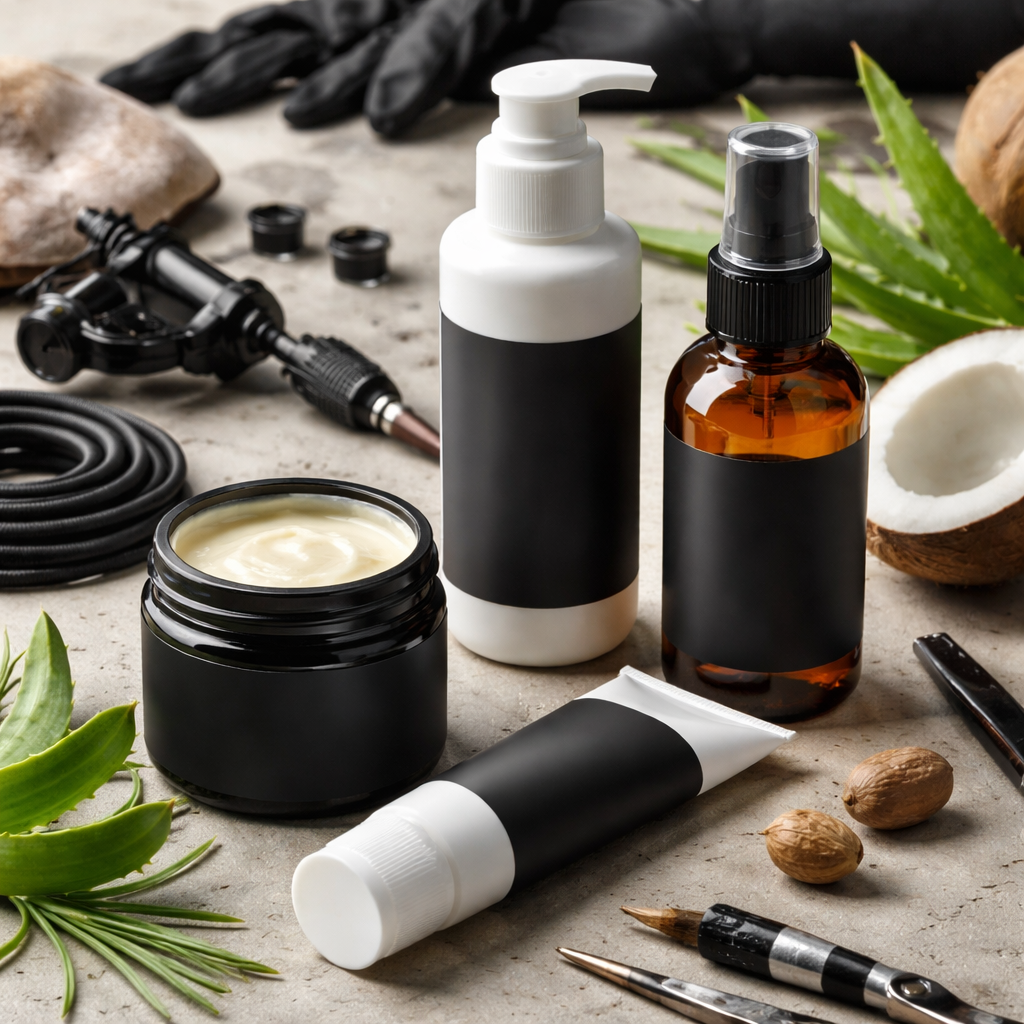
The tattoo industry has experienced explosive growth over the past decade, evolving from a niche subculture into a global mainstream movement. With millions of people getting tattooed each year, th...