The Ultimate Guide to Launching a Private Label Cosmetics Brand in the USA
Launching your own beauty brand has never been more achievable. Over the past decade, the cosmetics industry has undergone a dramatic transformation driven by digital commerce, influencer marketing, and advanced manufacturing partnerships. Today, entrepreneurs no longer need to own factories or laboratories to introduce high-quality cosmetic products to the market. With the help of contract manufacturers and private label laboratories, founders can focus on branding, marketing, and community building while experts handle the formulation and production process.
If you are researching private label cosmetics USA, you are already exploring one of the most efficient and scalable ways to enter the beauty industry. Private labeling allows brands to launch products quickly using professionally developed formulas that have already been tested for safety and performance. This dramatically reduces the time and investment required to bring a product to market.
This guide will walk you through the complete process of launching a private label cosmetics brand in the United States. From defining your brand concept and selecting the right products to navigating regulations and building effective marketing strategies, understanding these steps will help you build a brand that stands out in an increasingly competitive market.
What Are Private Label Cosmetics?
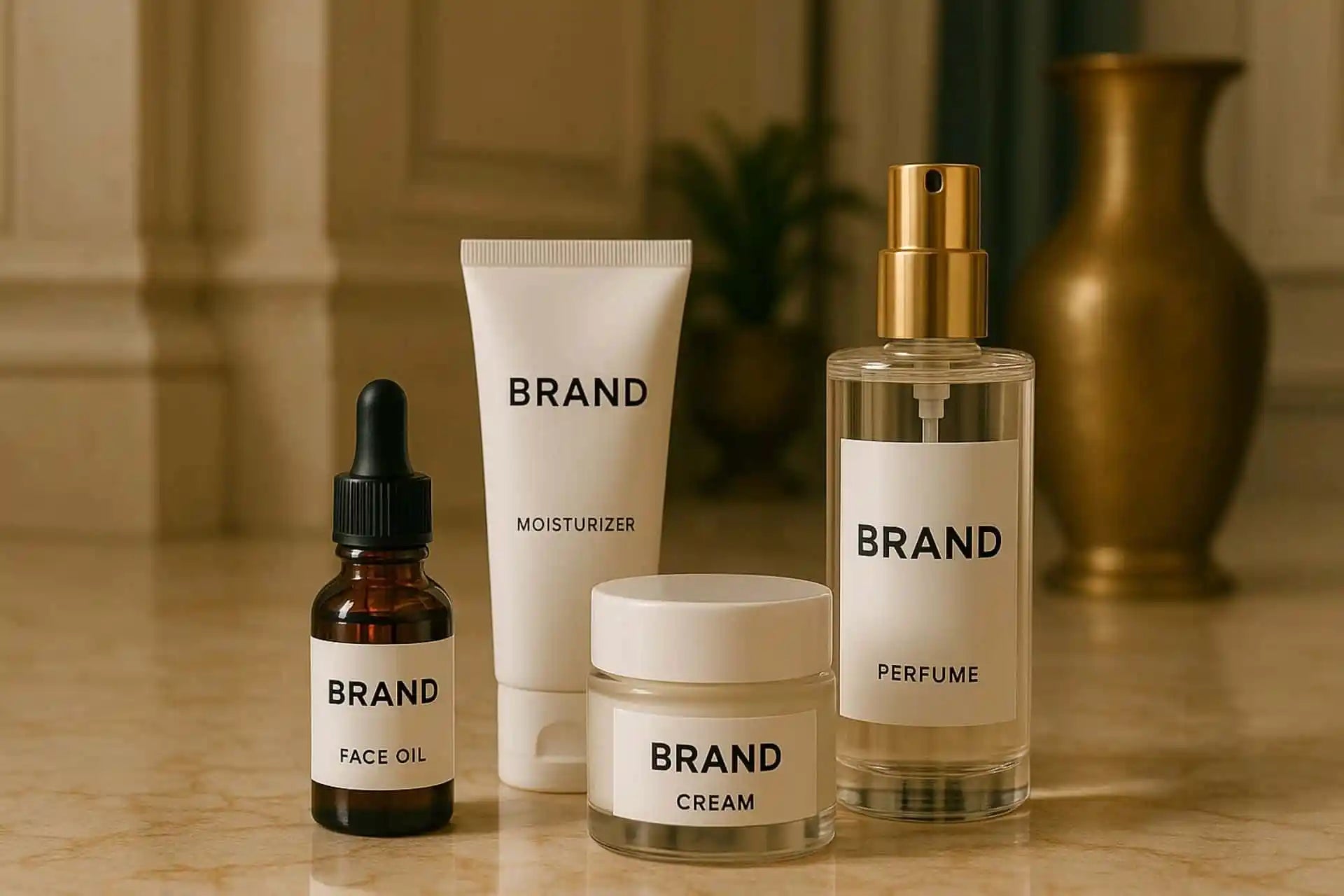
Private label cosmetics are products manufactured by a third-party laboratory and sold under your own brand name. Instead of creating formulations entirely from scratch, brand owners choose from a catalog of professionally developed formulas that can be customized with different packaging, branding, and marketing positioning.
This model has become extremely popular among startups and emerging beauty entrepreneurs because it dramatically lowers the barriers to entry. Manufacturers already have the infrastructure, chemists, and testing systems in place. As a result, brands can focus their resources on building a recognizable identity and developing a loyal customer base.
Benefits
- Lower startup costs compared to building a manufacturing facility
- Faster time to market with pre-tested formulas
- No need for advanced cosmetic chemistry knowledge
- Scalable production as your brand grows
- Access to professional safety testing and quality standards
These advantages make private labeling particularly appealing for entrepreneurs entering the beauty space for the first time. Instead of navigating the complexities of product formulation and compliance alone, brands can rely on experienced manufacturing partners who specialize in cosmetic development.
Why Launch a Cosmetics Brand in the USA?
The United States represents one of the largest beauty markets in the world. Consumers spend billions of dollars annually on skincare, makeup, and personal care products, creating a massive opportunity for new brands to enter the market with innovative ideas.
One major advantage of launching a cosmetics brand in the U.S. is the strength of its retail and digital commerce ecosystem. Platforms such as Shopify, Amazon, and TikTok Shop allow emerging brands to reach national and international audiences with relatively low overhead costs. A brand that resonates with consumers online can quickly gain visibility and scale.
The regulatory structure of the U.S. cosmetics industry also contributes to consumer trust. Although brands must comply with safety and labeling requirements, these standards ultimately create credibility and reassure customers that products meet acceptable safety guidelines.
Working with a U.S.-based private label manufacturer offers additional advantages. Domestic manufacturing often provides faster shipping times, better communication, and easier compliance with regulatory frameworks. Many consumers also perceive “Made in USA” products as more reliable and higher quality, which can enhance brand positioning.
Step-by-Step: How to Start Your Private Label Cosmetics Brand
1. Define Your Brand Concept
Every successful beauty brand begins with a clear concept and identity. Before selecting products, it is essential to understand who your customers are and what problem your brand aims to solve.
- Your target audience and demographic profile
- Your brand mission and long-term vision
- Your niche within the beauty industry
- Your price positioning in the market
- Your brand personality and messaging
A strong concept not only guides product selection but also shapes the visual design, marketing strategy, and customer experience. Brands that clearly communicate their purpose often build stronger emotional connections with their audience.
2. Choose the Right Product Line
New brands often make the mistake of launching with too many products at once. A more effective strategy is to begin with a small, focused collection that highlights your brand’s strengths.
- Lip glosses, lipsticks, or lip treatments
- Core skincare products like cleansers and moisturizers
- Serums or treatment products targeting specific concerns
- Lash or brow enhancement products
- Body care products including scrubs or lotions
Starting with a limited range allows you to test customer response and refine your brand strategy before expanding into additional categories.
3. Partner With a Reliable Private Label Manufacturer
Your manufacturer plays a crucial role in your brand’s success. A reputable partner provides high-quality formulas, transparent ingredient sourcing, and consistent production standards.
- FDA-compliant manufacturing processes
- Ingredient quality verification
- Packaging customization options
- Flexible minimum order quantities
- Ability to scale production
- Regulatory and labeling guidance
A strong partnership with your manufacturer helps ensure your products remain consistent and reliable as your brand grows.
4. Develop Your Branding & Packaging
Branding is often the first interaction customers have with your product. Effective design communicates professionalism, builds trust, and encourages purchase decisions.
Elements to focus on include:
- A memorable logo and visual identity
- A consistent color palette and design style
- Clear labeling and ingredient transparency
- High-quality packaging materials
- Environmentally responsible packaging options
Well-designed packaging not only protects the product but also reinforces your brand’s personality and values.
5. Ensure Legal & Regulatory Compliance
Cosmetic products sold in the United States must comply with FDA guidelines and industry regulations. These requirements exist to protect consumers and ensure transparency.
- Accurate ingredient labeling using INCI names
- Avoidance of unverified medical claims
- Safety and stability testing documentation
- Appropriate warnings and usage instructions
- Compliance with state and federal regulations
Partnering with an experienced manufacturer can significantly simplify the compliance process because they already follow these guidelines during production.
6. Build Your Sales Channels
Once your products are ready, the next step is determining how you will sell them. Many successful beauty brands begin with direct-to-consumer online sales before expanding into retail partnerships.
- Your own e-commerce website
- Online marketplaces such as Amazon
- Social media shopping platforms
- Boutique retail stores
- Salon and spa partnerships
An online launch provides valuable data about customer preferences, allowing brands to refine their product offerings and marketing strategies.
7. Market Your Brand Strategically
Marketing plays a critical role in building awareness and driving sales for a new cosmetics brand. Successful brands combine storytelling with digital marketing techniques to connect with their target audience.
- Influencer partnerships and collaborations
- Educational beauty tutorials
- Customer testimonials and reviews
- Paid social media advertising
- Email marketing campaigns
- Search engine optimization and blog content
Building a loyal community around your brand is just as important as selling products. Customers who feel connected to your brand story are far more likely to become repeat buyers.
Additional Tips for Private Label Success
- Monitor emerging beauty trends and adapt strategically
- Conduct small product tests before large-scale launches
- Use limited-edition releases to create excitement
- Track marketing and sales metrics carefully
- Invest in high-quality photography and video content
Final Thoughts
The opportunity to launch a beauty brand has never been greater. With the continued growth of private label cosmetics USA, entrepreneurs now have access to professional manufacturing resources that make it possible to create high-quality products without massive upfront investment.
By focusing on strong branding, effective marketing, and a reliable manufacturing partnership, you can build a cosmetics brand that resonates with customers and grows sustainably over time.
Start by choosing a manufacturing partner that understands your goals, supports your growth, and delivers premium-quality cosmetics your customers will love.