
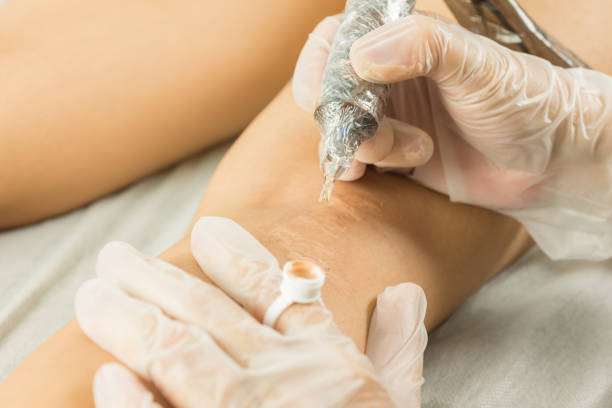
The Tattoo Care Revolution: How Modern Brands Are Redefining Aftercare, Healing, and Long-Term Skin Health
The Tattoo Care Revolution: How Modern Brands Are Redefining Aftercare, Healing, and Long-Term Skin Health
The tattoo industry has experienced explosive growth over the past decade, transforming from a niche subculture into a global mainstream movement embraced by people of all ages, professions, and backgrounds. What was once considered rebellious or unconventional is now widely accepted as a powerful form of personal expression, identity, and storytelling. As this cultural shift has taken place, the expectations surrounding tattoo care have evolved just as rapidly. Consumers are no longer approaching tattoos as one-time experiences—they are viewing them as long-term investments that require ongoing care, protection, and maintenance.
This shift has dramatically changed how people think about aftercare products. Basic solutions that were once considered sufficient are now seen as outdated or incomplete. Today’s consumers are searching for products that not only support healing but also enhance the final appearance of their tattoos, preserve vibrancy over time, and contribute to overall skin health. This has opened the door for a new generation of brands to redefine what tattoo care means, positioning it not just as a necessity, but as an essential extension of modern skincare.
1. The Evolution of Tattoo Aftercare
In the past, tattoo aftercare was often treated as a simple checklist rather than a specialized process. Tattoo artists would recommend general-purpose products such as petroleum-based ointments or basic moisturizers, with instructions focused primarily on keeping the area clean and preventing infection. While these approaches were functional, they were not optimized for the complexity of the healing process or the long-term preservation of tattoo quality. As a result, outcomes could vary widely depending on the individual and the products used.
Today, aftercare has evolved into a far more sophisticated and intentional category. Consumers now expect products that are specifically formulated for tattooed skin, taking into account factors such as sensitivity, inflammation, and pigment retention. This shift reflects a broader trend within the beauty industry, where targeted, performance-driven products are replacing generic solutions. Tattoo care is no longer an afterthought—it is a critical component of the overall tattoo experience, influencing both short-term healing and long-term results.
2. Understanding the Science of Tattoo Healing
To truly understand the importance of modern tattoo care, it is essential to recognize the biological process behind tattoo healing. When a tattoo is applied, the skin undergoes a controlled form of trauma as ink is deposited into the dermis. This triggers the body’s natural healing response, which includes inflammation, immune activity, and cellular regeneration. Each stage of this process plays a crucial role in determining how well the tattoo heals and how it ultimately appears.
High-quality tattoo care products are designed to support this process at every stage. They help regulate inflammation to prevent excessive irritation, maintain optimal hydration levels to support skin elasticity, and protect the skin barrier from external stressors such as bacteria and environmental pollutants. Additionally, advanced formulations may include ingredients that promote faster cell turnover and improved skin recovery, resulting in a smoother, clearer, and more vibrant final appearance. This scientific approach is what separates modern tattoo care from traditional methods.
3. The Rise of Premium Tattoo Care Products
As consumers become more educated and selective, there has been a noticeable shift toward premium tattoo care products that offer enhanced performance and a more refined user experience. This trend mirrors what has already occurred in skincare, where customers are willing to invest in higher-quality formulations that deliver visible and measurable results. In the tattoo space, this means products that go beyond basic healing to provide additional benefits such as color enhancement, long-term hydration, and skin nourishment.
Premium products often differentiate themselves through carefully selected ingredients, advanced formulation techniques, and elevated branding. They are designed to feel luxurious, perform consistently, and align with the expectations of modern consumers who value both effectiveness and aesthetics. For brands, this represents a significant opportunity to position themselves in a higher-value segment of the market, where differentiation is driven by quality and experience rather than price alone.
4. Why Branding Matters in Tattoo Care
Branding plays a pivotal role in the success of any product, but it is especially important in a category like tattoo care, where identity and self-expression are central to the consumer experience. A strong brand does more than communicate product benefits—it creates an emotional connection with the audience, reflecting their values, lifestyle, and aesthetic preferences. In a market where many products may offer similar functionality, branding is often the deciding factor in purchasing decisions.
Effective tattoo care brands understand how to position themselves within the culture. This includes developing a cohesive visual identity, crafting a compelling brand story, and maintaining consistency across all touchpoints. Whether the brand leans toward a minimalist, clinical aesthetic or a bold, artistic identity, the key is authenticity. Consumers are drawn to brands that feel genuine and aligned with their own sense of self, making branding one of the most powerful tools for differentiation.
5. Speed to Market as a Competitive Advantage
The tattoo care market is highly dynamic, with trends emerging and evolving at a rapid pace. From clean beauty formulations to fragrance-free options and specialized healing balms, consumer preferences are constantly shifting. Brands that are able to respond quickly to these changes are far more likely to capture attention and gain market share. This makes speed to market a critical competitive advantage.
Private label manufacturing enables brands to move quickly by providing access to pre-developed, tested formulations that can be customized and branded. Instead of spending years on product development, brands can launch in a fraction of the time, allowing them to stay relevant and capitalize on emerging trends. This agility is essential in a fast-moving market, where timing can be the difference between success and missed opportunity.
6. Customization and Product Differentiation
One of the most powerful aspects of modern product development is the ability to customize and differentiate offerings in meaningful ways. Contrary to common misconceptions, private label solutions do not limit creativity—they enhance it by providing a flexible foundation that brands can build upon. From texture and consistency to fragrance profiles and ingredient selection, there are numerous ways to create a product that feels unique and aligned with a specific brand identity.
This level of customization allows brands to tailor their products to their target audience, whether that means creating ultra-gentle formulations for sensitive skin or bold, sensory-rich products that deliver a more immersive experience. Differentiation is not just about being different—it is about being intentional. Every element of the product should reinforce the brand’s positioning and resonate with the intended customer.
7. The Role of Education in Customer Acquisition
Education is one of the most effective tools for building trust and driving customer acquisition in the tattoo care space. Many consumers are not fully aware of how to properly care for their tattoos or the impact that different products can have on healing and long-term results. This creates an opportunity for brands to step in as educators, providing valuable information that empowers customers to make informed decisions.
By creating high-quality content such as blog posts, tutorials, and social media guides, brands can position themselves as authorities in the space. This not only builds credibility but also strengthens the relationship between the brand and its audience. When consumers feel informed and supported, they are more likely to trust the brand and choose its products over competitors.
8. Leveraging Tattoo Artists as Brand Ambassadors
Tattoo artists are among the most trusted voices in the industry, making them invaluable partners for brands looking to build credibility and reach targeted audiences. Their recommendations carry significant weight, as clients often rely on their expertise when choosing aftercare products. Collaborating with artists allows brands to tap into this trust and establish a strong presence within the community.
These partnerships can take many forms, from product endorsements and co-branded content to long-term ambassador programs. The key is to build genuine relationships that benefit both the brand and the artist. When executed effectively, these collaborations can drive awareness, increase product adoption, and create a sense of authenticity that is difficult to replicate through traditional marketing channels.
9. E-Commerce and Digital Growth
The rise of e-commerce has transformed the way tattoo care products are discovered, evaluated, and purchased. Today’s consumers rely heavily on online platforms to research products, read reviews, and compare options before making a decision. This makes a strong digital presence essential for any brand looking to succeed in the modern marketplace.
High-performing brands invest in user-friendly websites, compelling product pages, and clear messaging that communicates value effectively. They also leverage tools such as email marketing and retargeting campaigns to build relationships and drive repeat purchases. By optimizing the digital experience, brands can create a seamless journey that converts interest into loyalty.
10. Building a Product Ecosystem
Rather than focusing on a single product, successful tattoo care brands take a holistic approach by developing a complete ecosystem of solutions that support the entire tattoo journey. This includes products for pre-tattoo preparation, immediate aftercare, and long-term maintenance. By offering a comprehensive range, brands can address multiple customer needs while increasing overall engagement and retention.
This ecosystem approach not only enhances the customer experience but also strengthens the brand’s position as a trusted authority in the space. When consumers can rely on a single brand for all their tattoo care needs, they are more likely to remain loyal and make repeat purchases over time.
11. The Importance of Ingredient Transparency
Transparency has become a defining factor in consumer decision-making, particularly in categories related to health and skincare. Tattoo care is no exception. Modern consumers want to understand what they are putting on their skin, how it works, and why it is beneficial. Brands that prioritize clear and honest communication about their ingredients are better positioned to build trust and credibility.
This includes not only listing ingredients but also explaining their purpose and benefits. By demystifying formulations and avoiding unnecessary complexity, brands can create a sense of confidence and reliability. Transparency is not just a trend—it is an expectation that will continue to shape the industry moving forward.
12. Sustainability and Ethical Positioning
Sustainability is increasingly influencing purchasing decisions across the beauty industry, and tattoo care is no exception. Consumers are becoming more conscious of the environmental and ethical impact of the products they use, leading to a growing demand for eco-friendly and responsibly sourced solutions. Brands that align with these values have a significant opportunity to differentiate themselves.
This can include using recyclable or biodegradable packaging, ensuring cruelty-free formulations, and sourcing ingredients responsibly. Beyond the environmental benefits, sustainability also contributes to a stronger brand narrative, reinforcing the idea that the company is committed to making a positive impact. This resonates deeply with modern consumers who value purpose-driven brands.
13. Scaling with Private Label Manufacturing
As a tattoo care brand grows, managing production and logistics can become increasingly complex. Scaling successfully requires systems that can handle increased demand without compromising quality or consistency. Private label manufacturing provides a solution by offering scalable production capabilities and established processes.
This allows brands to focus on growth strategies such as marketing, product expansion, and market entry, while the manufacturing partner handles production. The result is a more efficient and sustainable growth model that reduces operational burden and supports long-term success.
14. Creating a Strong Brand Identity
A strong brand identity is the foundation of long-term success in the tattoo care industry. It defines how the brand is perceived and how it connects with its audience. This includes everything from visual design and messaging to the overall customer experience. A well-defined identity creates consistency and makes the brand more recognizable and memorable.
Brands that invest in building a clear and cohesive identity are better positioned to stand out in a competitive market. They are able to communicate their value more effectively and create a deeper emotional connection with their customers. This connection is what drives loyalty and long-term growth.
15. The Future of Tattoo Care
The future of tattoo care is set to be shaped by innovation, personalization, and an increasing focus on performance-driven products. As technology and formulation science continue to advance, we can expect to see more targeted solutions that address specific skin types, healing needs, and aesthetic goals. This will further elevate tattoo care from a basic necessity to a sophisticated category within the broader beauty industry.
Brands that embrace these changes and continue to innovate will be well-positioned to lead the market. By staying ahead of trends and maintaining a strong connection with their audience, they can create products that not only meet expectations but exceed them.
16. Final Thoughts
The tattoo care industry represents a unique and rapidly growing opportunity within the beauty and skincare landscape. It combines elements of personal expression, science, and lifestyle branding, creating a dynamic and highly engaging category. For entrepreneurs and brands, the key to success lies in understanding the evolving needs of consumers and delivering products that provide real, measurable value.
By focusing on quality, branding, education, and efficient production strategies such as private label manufacturing, it is possible to build a brand that not only competes but leads. In a world where tattoos are permanent, the demand for effective, high-quality care is constant—and the brands that rise to meet this demand will shape the future of the industry.
Read more

For decades, the hair care industry has focused primarily on the visible part of hair—the strands. Shampoos promised shine, conditioners promised smoothness, and styling products promised control. ...

The global hair care industry has transformed into one of the most dynamic and opportunity-rich sectors within the broader beauty market. What was once dominated by large corporations and legacy br...