
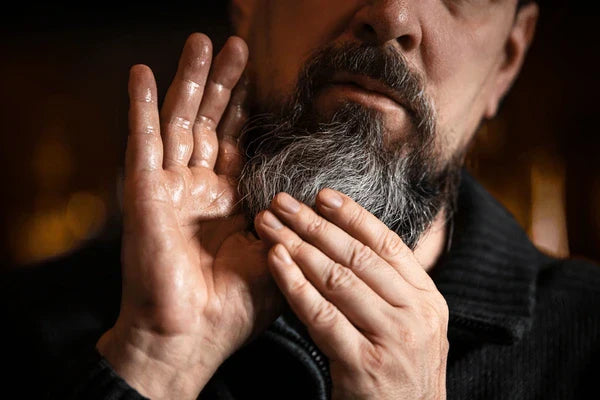
The Rise of Beard Care Brands: How to Build, Position, and Scale in the Modern Grooming Industry
The Rise of Beard Care Brands: How to Build, Position, and Scale in the Modern Grooming Industry
The men’s grooming industry has experienced massive growth over the last decade, transforming from a relatively overlooked category into one of the fastest-growing segments within the global beauty and personal care market. At the center of this shift is the rise of beard culture. What was once considered a trend has evolved into a long-term lifestyle movement, with millions of consumers investing in beard oils, balms, washes, and grooming products as part of their daily routines.
Modern consumers no longer view beard care as optional. Instead, it has become closely tied to self-image, confidence, and personal identity. This has created enormous opportunities for entrepreneurs looking to enter the grooming space with specialized products and strong brand positioning. However, the rapid growth of the market has also increased competition, making it essential for new brands to approach the industry strategically.
Building a successful beard care brand today requires more than simply selling grooming products. It requires understanding consumer psychology, developing a compelling identity, leveraging scalable production systems, and creating a customer experience that fosters loyalty. The brands that succeed are those that combine product quality with effective branding and long-term strategic thinking.
1. Understanding the Modern Grooming Consumer
The modern grooming consumer is highly informed and far more selective than previous generations. Men today are increasingly conscious about appearance, skincare, and self-care, leading to a major shift in purchasing behavior. They are no longer looking for generic products that simply “get the job done.” Instead, they want products that align with their lifestyle, provide visible results, and reflect their personal identity.
This shift has been heavily influenced by social media, influencer culture, and the broader normalization of self-care among men. Consumers now actively research ingredients, compare brands, and evaluate online reviews before making purchasing decisions. As a result, brands must focus not only on product quality but also on transparency, authenticity, and emotional connection.
2. Why Beard Care Has Become a High-Growth Market
The growth of beard care is not just about facial hair—it reflects a broader change in men’s grooming habits and lifestyle priorities. Beards have become associated with individuality, style, and confidence, creating sustained demand for products that help consumers maintain and enhance their appearance.
At the same time, the category continues to expand into adjacent areas such as skincare, hair styling, and wellness. This creates opportunities for beard care brands to evolve into larger grooming or lifestyle companies over time. Entrepreneurs entering the market today are not just building product lines—they are building brands with long-term expansion potential.
3. Finding a Unique Position in the Market
One of the biggest challenges in the grooming industry is differentiation. Many beard care products appear similar at first glance, making branding and positioning critical for success. Brands that attempt to compete purely on price often struggle to build loyalty or maintain strong margins.
Instead, successful beard care companies establish a unique identity and target a specific audience. This could involve positioning around luxury grooming, natural ingredients, minimalist aesthetics, or rugged lifestyle branding. By focusing on a defined niche, brands can create more effective messaging and build stronger emotional connections with customers.
4. Leveraging Private Label Manufacturing
Private label manufacturing has become one of the most efficient ways to launch and scale beard care brands. Rather than investing heavily in formulation development and production infrastructure, entrepreneurs can leverage pre-developed products that have already been tested for performance and quality.
This significantly reduces both startup costs and time to market, allowing brands to focus on branding, marketing, and customer acquisition. Private label also offers customization options, enabling businesses to create products that align with their identity while maintaining operational efficiency.
5. Product Selection and Brand Strategy
Many successful beard care brands begin with a focused range of core products rather than an overwhelming catalog. Starting with essentials such as beard oil, balm, and wash allows the brand to establish a clear identity and simplify purchasing decisions for customers.
Over time, additional products can be introduced to create a more comprehensive ecosystem. This may include beard brushes, grooming kits, styling products, or skincare items that complement the core range. A strategic product roadmap not only increases customer lifetime value but also strengthens the overall brand experience.
6. The Power of Packaging and Visual Identity
In the grooming industry, packaging plays a major role in shaping consumer perception. A product’s visual presentation often influences purchasing decisions before the customer even experiences the formula itself. This makes packaging and design critical elements of brand positioning.
Whether the brand adopts a premium, minimalist aesthetic or a bold, masculine identity, consistency is essential. Packaging should communicate the brand’s values, target audience, and level of quality instantly. Strong visual identity helps create recognition and differentiates the brand in a crowded marketplace.
7. Creating an Emotional Brand Connection
The most successful beard care brands sell more than products—they sell identity and lifestyle. Consumers often choose grooming brands based on how they make them feel and what they represent socially or emotionally. This is why storytelling and brand messaging are so important.
Brands that communicate confidence, authenticity, and lifestyle alignment are far more likely to create loyal communities around their products. This emotional connection becomes a major competitive advantage because it is difficult for competitors to replicate.
8. Building a High-Converting E-Commerce Presence
E-commerce has become the foundation of growth for modern grooming brands. Consumers expect seamless online shopping experiences that provide convenience, education, and trust. This makes website design and digital infrastructure critical components of success.
A high-performing e-commerce store should include clear product benefits, strong visuals, customer reviews, and compelling calls to action. The goal is to create a shopping experience that feels professional, trustworthy, and aligned with the overall brand identity.
9. Social Media and Content Marketing
Social media is one of the most effective channels for beard care brands because grooming products naturally lend themselves to visual content and lifestyle storytelling. Platforms such as Instagram, TikTok, and YouTube allow brands to showcase transformations, routines, and educational content in highly engaging ways.
Content marketing also plays a major role in building authority and organic visibility. Educational blogs, grooming tutorials, and styling guides help position the brand as an expert while creating ongoing engagement with the audience.
10. Influencer Marketing and Community Growth
Influencer marketing continues to be a powerful driver of growth within the grooming industry. Consumers trust recommendations from creators they follow, especially when those endorsements feel authentic and relatable.
By partnering with influencers who align with the brand’s image and audience, beard care companies can increase credibility, expand reach, and generate user-generated content that supports long-term marketing efforts. However, the most effective partnerships are those built on genuine alignment rather than purely transactional relationships.
11. Customer Retention and Repeat Purchases
Beard care products are naturally suited to repeat purchasing behavior, making retention one of the most important aspects of long-term profitability. Brands that focus solely on acquisition often struggle to maximize customer lifetime value.
Retention strategies such as subscription models, email marketing, loyalty programs, and personalized recommendations help create consistent revenue streams while strengthening customer relationships. A loyal customer base provides stability and makes scaling significantly easier.
12. Scaling Beyond Beard Care
Many successful beard care companies eventually expand into broader grooming or lifestyle categories. This may include hair styling products, skincare, fragrances, or wellness-focused offerings. Expansion allows brands to increase revenue opportunities while leveraging existing customer trust.
However, growth should remain strategic and aligned with the brand’s core identity. Expanding too quickly or into unrelated categories can dilute positioning and weaken customer perception.
13. Staying Ahead of Grooming Trends
The grooming industry evolves rapidly, influenced by changing fashion trends, social media culture, and consumer behavior. Brands that remain adaptable and trend-aware are better positioned to maintain relevance over time.
This requires ongoing market research, customer feedback analysis, and a willingness to innovate. At the same time, brands should avoid chasing every short-term trend at the expense of long-term consistency and identity.
14. The Importance of Brand Authenticity
Authenticity has become one of the most valuable assets in modern branding. Consumers are increasingly skeptical of exaggerated marketing claims and overly manufactured brand personalities. They are drawn to companies that feel genuine, transparent, and aligned with their values.
For beard care brands, authenticity can be expressed through honest communication, community engagement, and consistent brand storytelling. Authentic brands build stronger emotional relationships with customers, leading to higher trust and loyalty.
15. The Future of Beard Care Brands
The future of beard care will likely be shaped by personalization, premiumization, and lifestyle integration. Consumers will continue seeking products that provide visible performance while fitting seamlessly into their routines and identities.
Brands that combine quality products with strong storytelling, digital marketing, and operational efficiency will be best positioned for long-term growth. The opportunity extends far beyond beard care itself—it lies in building a modern grooming brand that evolves alongside consumer culture.
16. Final Thoughts
Launching a beard care brand today represents a major opportunity within the growing men’s grooming market. Consumer demand remains strong, digital platforms make scaling more accessible than ever, and private label manufacturing has lowered many of the traditional barriers to entry.
However, long-term success requires more than simply launching products. It demands strategic positioning, authentic branding, consistent execution, and a deep understanding of the modern consumer. By combining these elements effectively, entrepreneurs can build beard care brands that not only compete but establish lasting influence within the grooming industry.
Read more

The beauty and skincare industry has entered a new era where speed, branding, and adaptability matter more than ever before. In the past, launching a skincare company required massive capital, year...

The hair care industry has become one of the most dynamic and profitable sectors within the global beauty market. From shampoos and conditioners to scalp treatments, hair oils, and styling products...