
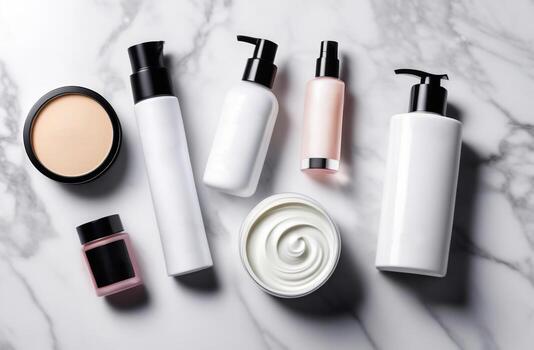
The Most Profitable Private Label Beauty Products to Launch in 2026
The Most Profitable Private Label Beauty Products to Launch in 2026
The beauty and personal care industry continues to create exceptional opportunities for entrepreneurs looking to build scalable consumer brands. As consumer spending on self-care, wellness, grooming, and personal appearance continues growing, demand for specialized beauty products remains strong across multiple categories. For business owners seeking an efficient path into the market, private label manufacturing has become one of the most effective ways to launch products without managing complex production operations.
Private label manufacturing allows entrepreneurs to focus on branding, customer acquisition, marketing, and growth while leveraging professionally developed formulations and established production systems. This model has enabled thousands of businesses to enter highly profitable beauty niches without requiring extensive manufacturing expertise or significant upfront investment.
However, not all product categories offer the same opportunities. Some segments are experiencing stronger growth, higher customer retention, and greater recurring revenue potential than others. Understanding where demand is increasing can help entrepreneurs identify attractive opportunities and position their brands for long-term success.
From skincare and hair care to tattoo aftercare and pet grooming products, several private label categories are poised for continued expansion throughout 2026 and beyond.
1. Facial Cleansers Remain a Core Product Category
Facial cleansers continue to be one of the most consistently purchased skincare products because they form the foundation of most skincare routines. Consumers use cleansers daily, creating strong opportunities for recurring revenue and repeat purchases.
Modern consumers seek cleansers tailored to specific skin concerns such as hydration, oil control, sensitivity, acne support, and anti-aging. This creates opportunities for brands to target niche audiences with specialized product offerings.
Private label facial cleansers provide an excellent starting point for entrepreneurs entering the skincare market because they address a universal need while supporting long-term customer retention.
2. Moisturizers Continue Driving Skincare Sales
Moisturizers remain among the most important products within the skincare industry. Consumers increasingly understand the role hydration plays in maintaining healthy-looking skin, leading to consistent demand across multiple demographics.
Private label moisturizers can be positioned for various skin types and concerns, allowing brands to create highly targeted product lines. Because moisturizers are used regularly, they often generate strong repeat purchasing behavior and customer loyalty.
This combination of broad appeal and recurring demand makes moisturizers one of the most attractive private label opportunities available.
3. Hair Growth and Scalp Care Products
Hair growth and scalp health have become major consumer priorities in recent years. Social media, educational content, and increased awareness surrounding hair wellness have contributed to rising demand for products that support healthy-looking hair.
Consumers increasingly seek shampoos, conditioners, serums, and treatments designed to strengthen hair, improve scalp conditions, and support overall hair health.
Private label hair care brands that focus on education, consistency, and realistic expectations can build strong customer relationships within this growing category.
4. Leave-In Hair Treatments
Leave-in treatments have gained popularity because they offer convenience and versatility. Consumers appreciate products that help manage frizz, enhance hydration, improve shine, and support styling routines without requiring extensive effort.
These products often become integrated into daily or weekly hair care regimens, creating opportunities for repeat purchases and long-term customer retention.
For entrepreneurs entering the hair care market, leave-in treatments represent an attractive category that combines strong demand with broad consumer appeal.
5. Tattoo Aftercare Products
The tattoo industry continues expanding as tattoos become increasingly mainstream across age groups and demographics. With more people getting tattoos, demand for quality aftercare products continues growing.
Tattoo aftercare products are specifically designed to support healing, maintain skin comfort, and help preserve tattoo appearance. Consumers often prioritize product quality within this category because proper aftercare directly affects results.
This creates opportunities for brands capable of building trust among tattoo artists, studios, and tattoo enthusiasts.
6. Tattoo Balms and Moisturizers
Tattoo balms remain among the most recognizable products within the tattoo aftercare category. Consumers frequently use these products during healing and long after the tattoo has healed to maintain skin hydration and tattoo appearance.
Because tattoos are highly personal investments, customers often remain loyal to brands they trust. This loyalty can create significant long-term value for businesses serving the tattoo care market.
As tattoo popularity continues increasing, specialized aftercare products are expected to remain in high demand.
7. Premium Pet Shampoos
Pet owners are increasingly willing to invest in premium grooming products that support coat health, skin comfort, and overall wellness. This shift has transformed pet grooming from a basic maintenance activity into a growing premium product category.
Private label pet shampoos offer opportunities to target specific pet needs, including sensitive skin, odor control, coat conditioning, and breed-specific grooming requirements.
The emotional connection owners have with their pets often translates into strong purchasing behavior and brand loyalty.
8. Pet Grooming Sprays and Conditioners
Beyond shampoos, pet owners increasingly purchase complementary grooming products such as conditioners, detangling sprays, deodorizing treatments, and coat-enhancing solutions.
These products allow brands to create complete grooming systems while increasing customer lifetime value through product ecosystem expansion.
As premium pet spending continues rising, businesses serving this category may benefit from strong long-term demand and recurring revenue opportunities.
```html id="7mpv3z"9. Skincare Serums Continue Dominating Premium Beauty Sales
Few product categories have experienced as much growth in recent years as skincare serums. Consumers are increasingly looking for targeted solutions that address specific concerns such as hydration, uneven skin tone, fine lines, dullness, and overall skin appearance.
Serums are often viewed as premium products because they are designed to deliver concentrated benefits as part of a skincare routine. This premium positioning frequently allows brands to achieve stronger margins while providing customers with products they perceive as high value.
For entrepreneurs building private label skincare brands, serums offer opportunities to expand product lines and increase average order value while supporting a complete skincare system.
10. Exfoliating Products Remain Highly Popular
Consumers continue seeking products that help improve skin texture and support smoother-looking skin. As a result, exfoliating products remain an important category within the skincare market.
Whether incorporated into cleansers, masks, scrubs, or specialized treatments, exfoliation products often become recurring purchases because consumers integrate them into weekly skincare routines.
Brands that educate customers about proper usage and skincare best practices often perform particularly well within this category because consumers value guidance and expertise.
11. Complete Product Systems Generate Higher Revenue
One of the most effective strategies for beauty brands is creating complete product systems rather than relying on a single product. Consumers frequently prefer purchasing multiple products from a trusted brand rather than combining products from different companies.
For example, a skincare brand may offer a cleanser, serum, moisturizer, and mask. A hair care brand may provide shampoo, conditioner, leave-in treatment, and styling products. Tattoo care brands can offer cleansers, balms, and moisturizers, while pet grooming brands can develop full grooming collections.
Complete systems not only increase average order values but also strengthen customer loyalty by encouraging consumers to remain within the brand ecosystem.
12. Subscription Models Work Well for Beauty Products
Because beauty and personal care products are consumed regularly, many brands are introducing subscription options that provide customers with convenient replenishment schedules.
Subscription programs benefit both businesses and consumers. Customers receive products automatically when they need them, while businesses gain more predictable revenue streams and stronger customer retention.
Private label products that become part of a consumer's daily routine are particularly well suited for subscription-based business models.
13. Educational Marketing Creates Competitive Advantage
Modern consumers conduct extensive research before making purchasing decisions. They want to understand ingredients, product benefits, usage instructions, and expected outcomes.
Brands that invest in educational content often establish stronger credibility and trust. Blog articles, videos, social media content, and email campaigns help consumers make informed decisions while positioning the brand as an industry authority.
Educational marketing is especially effective for skincare, hair care, tattoo care, and pet grooming products because customers frequently seek guidance and expert recommendations before purchasing.
14. Niche Brands Continue Outperforming Generic Competitors
Consumers increasingly gravitate toward brands that specialize in specific categories or customer needs. Rather than attempting to serve everyone, successful brands often focus on clearly defined audiences and unique value propositions.
A brand that specializes in tattoo aftercare, premium pet grooming, scalp-focused hair care, or sensitive skin solutions may be able to create stronger customer connections than a general beauty company.
Private label manufacturing supports this approach by allowing entrepreneurs to focus on niche positioning while leveraging proven products and professional production capabilities.
15. Building Customer Trust Is Essential
Trust remains one of the most valuable assets any beauty brand can develop. Consumers place products directly on their skin, hair, or pets, making confidence in product quality and brand integrity extremely important.
Businesses can build trust through transparency, consistent quality, responsive customer service, educational content, and authentic communication. Positive customer experiences often lead to repeat purchases, reviews, referrals, and long-term loyalty.
Regardless of product category, brands that prioritize customer trust are typically better positioned for sustainable growth and long-term success.
16. The Future of Private Label Beauty Products
The future of private label beauty products looks exceptionally strong. Consumers continue embracing independent brands that offer specialized products, authentic stories, and personalized customer experiences.
Advances in manufacturing capabilities, growing e-commerce adoption, and expanding social media influence are making it easier than ever for entrepreneurs to launch and scale beauty businesses. At the same time, demand for skincare, hair care, tattoo care, and pet grooming products continues increasing across global markets.
Entrepreneurs who identify growing categories, focus on customer needs, and build strong brands around quality products will be well positioned to capitalize on these opportunities in the years ahead.
Final Thoughts
The beauty industry offers tremendous opportunities for entrepreneurs willing to invest in brand building, customer relationships, and strategic growth. While many product categories exist, skincare, hair care, tattoo aftercare, and pet grooming products continue standing out as some of the most attractive opportunities for private label brands.
Facial cleansers, moisturizers, serums, hair treatments, tattoo balms, pet shampoos, and grooming products all benefit from recurring consumer demand and strong customer retention potential. These qualities make them particularly well suited for entrepreneurs seeking long-term business growth.
Private label manufacturing provides an efficient pathway into these markets by reducing development costs, accelerating launch timelines, and allowing businesses to focus on branding and customer acquisition. As consumer demand continues evolving, brands that combine quality products with strong positioning and educational marketing will have significant opportunities to succeed.
For entrepreneurs looking to enter the beauty industry in 2026, understanding which product categories offer the greatest potential can help create a strong foundation for growth. By focusing on profitable niches and building trusted brands, businesses can position themselves for long-term success in one of the world's most dynamic industries.
Read more

One of the first decisions entrepreneurs face when launching a beauty brand is whether to choose private label products or invest in custom formulation. Both approaches can lead to successful busin...
The skincare industry continues to be one of the fastest-growing sectors in beauty and personal care. Every year, thousands of entrepreneurs launch new skincare brands, inspired by growing consumer...