
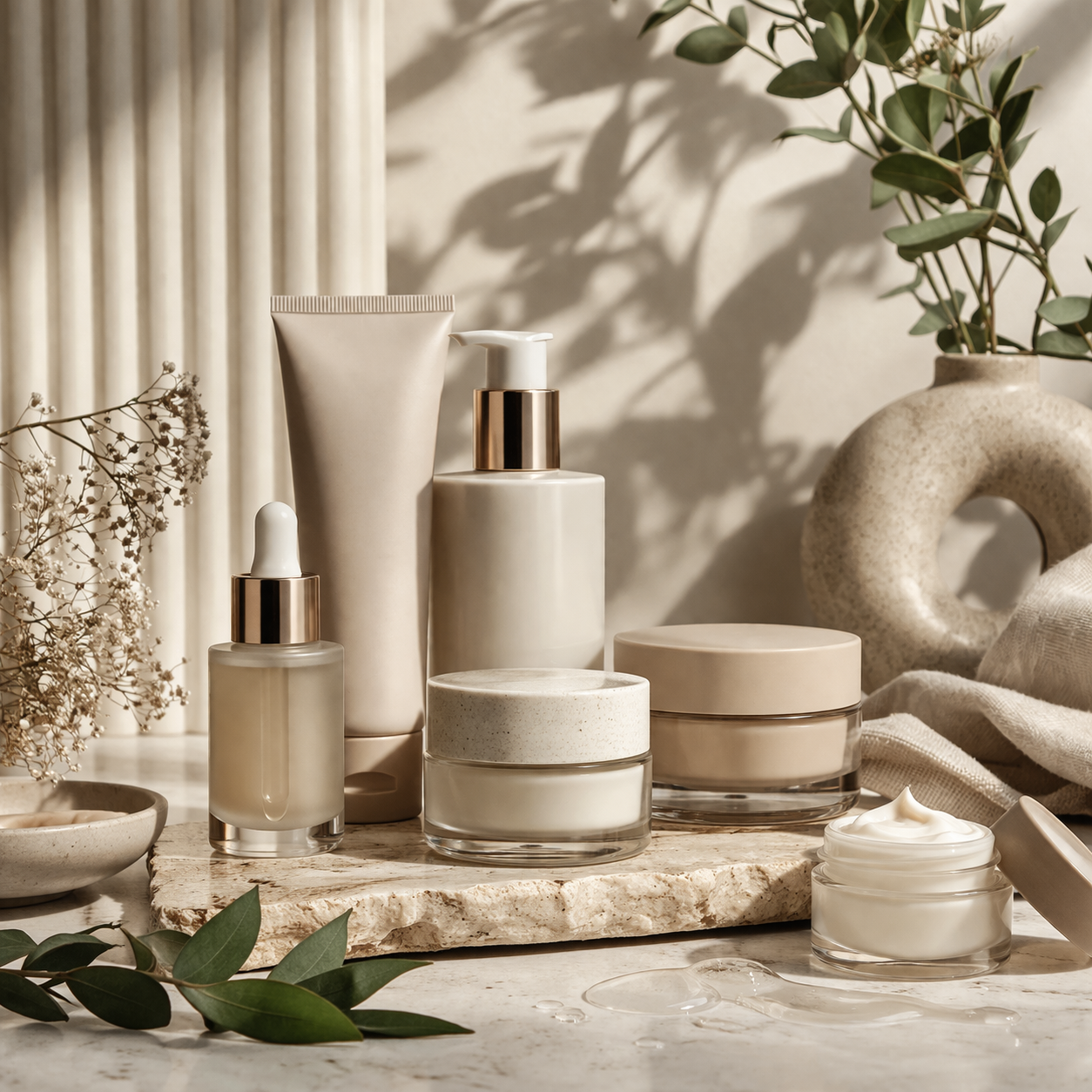
Products and Design: Building a Standout Skincare Brand from the Ground Up
Products and Design: Building a Standout Skincare Brand from the Ground Up
Creating a successful skincare brand is about far more than simply launching products—it is about crafting a complete experience that resonates with your audience, communicates your values, and delivers real results. In today’s competitive beauty landscape, brands that succeed are those that understand how to blend product innovation with intentional design.
From formulation and ingredient selection to packaging, branding, and user experience, every detail plays a role in shaping how customers perceive and connect with your brand. Whether you are starting from scratch or refining an existing concept, understanding the relationship between products and design is essential for long-term success.
This guide explores the key elements involved in creating a skincare brand, focusing on how product development and design work together to build a cohesive, compelling, and market-ready offering.
1. Understanding Your Brand Vision
Before developing any product or design, it is crucial to define your brand vision. This serves as the foundation for every decision you make moving forward. Your vision should clearly outline your purpose, target audience, and the problem you aim to solve.
Are you creating results-driven clinical skincare, or are you focusing on natural, holistic beauty? Is your audience luxury-focused consumers, or are you targeting everyday accessibility? These questions shape not only your formulations but also your design direction.
A strong brand vision ensures consistency. It allows your products and design elements to work together seamlessly, creating a unified identity that customers can recognize and trust.
2. Product Development: Where It All Begins
At the core of any skincare brand is the product itself. No matter how strong your branding is, success ultimately depends on the effectiveness and quality of your formulations. Product development is where your brand promise becomes tangible.
This stage involves selecting ingredients, defining product benefits, and ensuring safety and compliance. It is also where you differentiate yourself—through unique formulations, targeted solutions, or innovative textures and delivery systems.
Successful skincare products are not created in isolation. They are developed with the end user in mind, addressing specific concerns such as hydration, acne, aging, or sensitivity. Understanding your audience’s needs allows you to create products that deliver real value.
3. The Importance of Ingredient Strategy
Ingredients are one of the most powerful storytelling tools in skincare. Today’s consumers are increasingly informed and selective about what they put on their skin. This makes ingredient strategy a key part of both product development and marketing.
Choosing the right ingredients involves balancing efficacy, safety, and brand positioning. For example, a brand focused on clean beauty may prioritize plant-based extracts and avoid certain synthetic compounds, while a clinical brand may highlight scientifically proven actives.
Transparency is equally important. Clearly communicating what is in your products—and why—builds trust and credibility with your audience.
4. Designing a Cohesive Product Range
A successful skincare brand rarely relies on a single product. Instead, it offers a range of products that work together to create a complete routine. Designing this range requires strategic thinking.
Each product should have a clear purpose, while also complementing the others. This not only enhances the customer experience but also increases opportunities for cross-selling and brand loyalty.
Consistency across the range is key. From formulation textures to naming conventions, every element should feel like part of the same family. This cohesion strengthens your brand identity and makes your offerings easier to understand.
5. Packaging Design: First Impressions Matter
Packaging is often the first physical interaction a customer has with your brand. It plays a critical role in shaping perception and influencing purchasing decisions. Effective packaging design balances aesthetics, functionality, and brand storytelling.
Visually, your packaging should reflect your brand identity. Minimalist designs may communicate sophistication, while bold colors and graphics can convey energy and creativity. The key is alignment with your overall positioning.
Functionality is just as important. Packaging should protect the product, ensure ease of use, and enhance the overall experience. Features such as pumps, droppers, and airless containers can improve both usability and product longevity.
6. The Role of Branding in Skincare
Branding goes beyond logos and colors—it is the emotional connection you create with your audience. In skincare, where trust is essential, strong branding can set you apart in a crowded market.
Your brand voice, messaging, and visual identity should all work together to communicate your values and personality. Whether your tone is clinical, playful, luxurious, or educational, consistency is key.
Effective branding helps customers understand not just what your products do, but why your brand exists. This deeper connection drives loyalty and long-term engagement.
7. User Experience and Product Interaction
Great skincare brands think beyond the product itself and focus on the entire user experience. This includes how the product feels, how it is applied, and how it fits into a daily routine.
Texture, scent, and absorption all contribute to the sensory experience. These elements can transform a functional product into something enjoyable and memorable.
Ease of use is equally important. Clear instructions, intuitive packaging, and thoughtful design details can significantly enhance the customer journey.
8. Balancing Aesthetics and Functionality
One of the biggest challenges in skincare design is balancing aesthetics with functionality. While it is important for products to look appealing, they must also perform effectively and meet practical needs.
For example, transparent packaging may look attractive but can expose certain ingredients to light, reducing their effectiveness. Similarly, overly complex designs may compromise usability.
The best designs achieve harmony between form and function, ensuring that visual appeal does not come at the expense of performance.
9. Sustainability in Product and Design
Sustainability has become a major consideration in the beauty industry. Consumers are increasingly seeking brands that prioritize environmentally responsible practices.
This impacts both product development and design. From sourcing sustainable ingredients to using recyclable or refillable packaging, there are many ways to reduce environmental impact.
However, sustainability should be authentic and transparent. Brands that genuinely integrate these practices into their operations are more likely to build trust and credibility.
10. Positioning Your Brand in the Market
With countless skincare brands available, clear positioning is essential. This involves defining what makes your brand unique and how it differs from competitors.
Your positioning should be reflected in both your products and your design. A premium brand may focus on high-end ingredients and elegant packaging, while a results-driven brand may emphasize clinical formulations and educational content.
Consistency between what you promise and what you deliver is crucial. Misalignment can lead to confusion and weaken your brand’s impact.
11. Pricing Strategy and Perceived Value
Pricing is closely tied to both product quality and design. Customers often use price as an indicator of value, making it important to align your pricing strategy with your brand positioning.
High-quality formulations, premium packaging, and strong branding can justify higher price points. Conversely, more accessible brands may focus on affordability while maintaining quality.
The goal is to create a sense of value that matches customer expectations, ensuring that they feel confident in their purchase.
12. Testing and Iteration
No product or design is perfect from the start. Testing and iteration are essential parts of the development process. This includes gathering feedback, analyzing performance, and making improvements over time.
Prototyping allows you to refine both formulations and packaging before full-scale production. This reduces risk and ensures that the final product meets your standards.
Listening to customer feedback is equally important. It provides valuable insights that can guide future updates and innovations.
13. Launching Your Skincare Brand
A successful launch requires careful planning and execution. This includes finalizing your product range, preparing your branding assets, and creating a marketing strategy.
Your launch should tell a compelling story—one that highlights your products, your values, and what makes your brand unique. This narrative helps capture attention and build initial interest.
Consistency across all touchpoints, from your website to your packaging, reinforces your brand identity and creates a cohesive experience.
14. Scaling and Expanding Your Product Line
As your brand grows, there are opportunities to expand your product line and reach new audiences. This may involve introducing new categories, targeting different concerns, or exploring new markets.
However, growth should be strategic. Each new product should align with your brand vision and maintain the same level of quality and design consistency.
Scaling successfully requires maintaining the balance between innovation and coherence, ensuring that your brand remains recognizable and trusted.
15. Common Mistakes to Avoid
Building a skincare brand comes with challenges, and avoiding common mistakes can save time and resources. One of the most frequent issues is prioritizing aesthetics over product performance.
Another mistake is lack of clarity in branding. Without a clear identity, it becomes difficult to connect with your audience and stand out in the market.
Inconsistent design, poor packaging functionality, and neglecting customer feedback can also hinder success. Being mindful of these pitfalls allows you to build a stronger, more resilient brand.
16. Final Thoughts
Creating a skincare brand is a complex but rewarding process. It requires a thoughtful balance between product development and design, ensuring that every element works together to create a cohesive and compelling offering.
By focusing on quality formulations, intentional design, and a clear brand vision, you can build a brand that not only stands out but also resonates deeply with your audience.
In a market driven by both results and experience, the brands that succeed are those that understand how to deliver both. When products and design are aligned, they create more than just skincare—they create a lasting impression.
Read more

In today’s highly competitive market, brands are constantly searching for ways to stand out, deliver better value, and create products that truly resonate with their audience. One of the most power...

Building a brand in today’s digital landscape has never been more accessible—yet never more competitive. With social media, e-commerce platforms, and global supply chains at your fingertips, entrep...