

Private Label Skincare Manufacturing: From Product Concept to Finished Brand
Private Label Skincare Manufacturing: From Product Concept to Finished Brand
Launching a skincare brand involves much more than selecting a moisturizer, cleanser or serum and adding your logo. Behind every finished product is a process that brings together formulation, packaging, manufacturing, quality considerations, brand positioning and product presentation. Understanding that process can help entrepreneurs make better decisions before investing in their own skincare line.
Private label skincare manufacturing gives businesses an opportunity to sell products under their own brand without necessarily building a manufacturing facility or developing every product from the beginning. Depending on the manufacturer's capabilities, businesses may be able to select existing formulations, explore packaging options and create a product identity suited to their target market.
For new entrepreneurs, this model can make entering the skincare market more manageable. For established businesses, it can provide a way to expand an existing product range or introduce a new category.
The key is to approach product development strategically. Your formula, packaging, pricing, claims and brand identity should work together to create a product that customers understand and want to purchase.
In this guide, we will explain how private label skincare manufacturing works, what to consider when selecting products, how packaging and formulation influence development, and how to prepare your skincare brand for launch.
1. What Is Private Label Skincare Manufacturing?
Private label skincare manufacturing is a business arrangement in which products are manufactured for sale under a brand's own name. Instead of producing everything independently, the brand works with a manufacturer to source or develop suitable products and prepare them for market.
The exact arrangement depends on the manufacturer and the services offered. Some manufacturers offer existing formulations that can be branded with your own label. Others provide additional options for customization, packaging selection or product development.
This distinction matters because private label does not always mean a completely unique formula. If your goal is to create a proprietary formulation, you should confirm whether the manufacturer offers custom formulation services and understand the associated development process.
Before starting, establish what you want to achieve:
- Launch a skincare brand using existing formulations.
- Build a focused range around a particular customer need.
- Expand an existing beauty or personal care business.
- Create a premium skincare collection with a consistent identity.
- Explore customized formulations where available.
- Develop complementary products for an existing customer base.
Having a clear goal helps you identify the appropriate manufacturing partner and avoid paying for options that do not support your business strategy.
Important distinction: Private label products can be based on existing formulations, while custom formulation involves developing or modifying a formula to meet a defined brief. Confirm which services are available before committing to a project.
2. Define Your Skincare Brand Before Choosing Products
One of the biggest mistakes new brands make is choosing products before deciding who they want to serve. A long product list may look impressive, but it does not automatically create a clear brand identity.
Start by identifying your target customer and the role your products will play in that customer's routine.
For example, you may want to serve customers looking for simple everyday skincare, people interested in a more elevated self-care experience, or customers who prefer a focused routine with a small number of complementary products.
Each direction can influence your product selection, packaging, pricing and marketing.
Identify Your Target Audience
Consider the customer's purchasing habits, preferences, budget and reasons for choosing a skincare product. Think about where they shop, what information they look for and what makes them trust a brand.
Avoid defining your audience only in terms of age or gender. Consider the needs your products are intended to address and the type of experience you want your brand to offer.
Establish Your Brand Positioning
Decide whether your brand will focus on accessible everyday products, premium presentation, professional distribution or another clear market position.
Your positioning should influence the complete customer experience, from the product names and label design to the website, photography and service.
Develop a Clear Brand Promise
A brand promise explains what customers can expect from your product range. It should be relevant, understandable and supported by what your products actually offer.
Avoid broad promises that every brand could make. A more focused message helps customers understand why your collection exists and how it fits into their lives.
3. Choose a Focused Skincare Product Range
Once you understand your audience, identify the products that make the most sense for your initial launch.
Skincare includes many categories, but a new business does not need to launch every type of product at once. A focused collection can make it easier to manage inventory, communicate your brand and learn which products customers prefer.
Potential product categories include:
- Facial cleansers
- Moisturizers
- Facial serums
- Body lotions and creams
- Exfoliating products
- Facial masks
- Body washes
- Targeted skincare products
Availability will depend on the manufacturer's catalogue and capabilities. Not every manufacturer produces every category, so confirm that the products you want are available.
Start With Complementary Products
Consider selecting products that naturally work together in a customer's routine. For example, a cleanser and moisturizer may create a simple starting collection.
A focused product range can also make it easier to explain how the products fit together without overwhelming customers with too many choices.
Identify a Hero Product
A hero product is the item you use to introduce your brand to the market. It should be relevant to your target audience and provide a clear reason for customers to explore the rest of your collection.
Choose a product based on customer relevance, realistic pricing, manufacturing feasibility and your ability to communicate its purpose accurately.
4. Understand Existing Formulations and Custom Formulation
Formulation is one of the most important considerations in skincare product development. The formula determines the product's characteristics, including its texture, appearance, fragrance where applicable, dispensing behavior and intended function.
With an existing private label formulation, you may be able to focus on branding and packaging while using a formula already offered by the manufacturer. This can simplify some aspects of product development, although the finished product still needs appropriate quality and compatibility considerations.
Custom formulation generally involves a more detailed development brief and may require additional time, testing, iterations and investment.
When an Existing Formula May Be Suitable
An existing formula can be a practical choice when it fits your target customer, price point and brand positioning. It may allow you to concentrate your resources on building awareness, establishing distribution and developing a strong customer experience.
Ask the manufacturer for relevant product information and confirm what customization is possible. Do not assume that every formula can be modified without affecting cost, performance or production requirements.
When Custom Formulation May Make Sense
Custom formulation may be worth exploring when a specific product concept cannot be met by available formulations or when your brand requires particular product characteristics.
Before beginning, prepare a clear brief that describes the intended customer, product format, desired sensory characteristics, target cost, packaging requirements and intended claims.
The more clearly you define the project, the easier it is to discuss feasibility with a manufacturer.
5. Learn How Ingredients Fit Into Product Development
Ingredients can help communicate a product's identity, but they should be considered in the context of the complete formulation.
Customers may recognize ingredients such as hyaluronic acid, glycerin, niacinamide, aloe vera or certain plant-derived oils. However, an ingredient's presence alone does not establish how effective the finished product will be.
The complete formula, ingredient concentration, product stability, intended use and supporting evidence all matter.
Build an Ingredient Story Responsibly
A useful ingredient story explains why the product was designed the way it was. It should be clear enough for customers to understand without making exaggerated promises.
For example, you can communicate that a moisturizer is designed to help hydrate the skin if that statement is appropriate for the product and supported by its formulation and evidence.
Avoid suggesting that an ingredient guarantees a particular outcome. Product claims should reflect what the finished product can reasonably substantiate.
Ask for Relevant Product Information
When evaluating a skincare product, ask your manufacturer what product information is available and what supporting documentation can be provided.
Depending on the product and intended market, you may need information relating to ingredients, product specifications, stability, microbiological quality, packaging compatibility and claim substantiation.
The specific requirements depend on the formulation, product category and markets in which the product will be sold.
6. Choose Packaging That Fits the Formula
Packaging affects how a skincare product is presented, stored and used. It should be selected for both brand appearance and practical performance.
Different skincare products may use bottles, jars, tubes, pumps or specialized dispensing systems. The correct option depends on the formula, intended application, packaging compatibility and desired customer experience.
Bottles and Pumps
Bottles and pumps can be suitable for many liquid products, lotions and some creams. A pump may provide convenient dispensing, but it must be compatible with the product's viscosity and dispensing requirements.
Tubes
Tubes can work well for cleansers, creams and other products customers dispense by squeezing the container. They may also be convenient for travel or smaller product formats.
Jars
Jars can be appropriate for thicker creams and masks. Consider how customers will access the product, keep the package clean and use it over time.
Specialized Packaging
Some formulas may require specific packaging considerations. Compatibility should be assessed rather than assumed based on the product category alone.
Explore our related private label cosmetics collection to see another category in which packaging and product presentation contribute to brand identity.
7. Create a Consistent Skincare Brand Identity
Your product packaging should make the collection recognizable. Customers should be able to identify the brand even when individual products have different purposes.
Establish a consistent visual system before finalizing each label.
This may include:
- Logo placement
- Typography and font hierarchy
- Primary and secondary colors
- Product naming conventions
- Label layout
- Ingredient communication
- Photography style
- Website presentation
Consistency does not require every product to look identical. You can use different accent colors or container formats while retaining a shared design language.
The goal is to make the collection feel intentional, easy to navigate and appropriate for your audience.
8. Understand Minimum Order Quantities and Budgeting
Minimum order quantities, often called MOQs, determine how much product you need to order at the beginning. These requirements can have a significant effect on your initial investment.
Before placing an order, confirm the minimum quantity for each product and whether packaging components have separate minimums.
You should also understand the full cost of launching the product. The manufacturer's unit price is only one part of the financial picture.
Your budget may need to account for:
- Finished product manufacturing
- Packaging and label customization
- Artwork or design services
- Product samples and development
- Shipping and freight
- Website and ecommerce expenses
- Product photography
- Marketing and advertising
- Storage and order fulfillment
Keep some flexibility for unexpected costs and future inventory replenishment. Spending the entire budget on the first production run can leave a brand without enough resources to generate demand or reorder successful products.
9. Calculate Pricing Before You Commit to Production
A product can look attractive and still be commercially difficult to sell if its costs do not support a realistic retail price.
Start by identifying your expected direct product cost. Then account for other expenses associated with bringing the product to market and fulfilling customer orders.
A simplified gross margin calculation is:
Gross margin percentage = (Selling price minus direct product cost) divided by selling price, multiplied by 100.
For example, if a product sells for $24 and its direct product cost is $8, the difference is $16. Dividing $16 by $24 produces a gross margin of approximately 66.7% before other expenses not included in that direct product cost.
This is not the same as net profit. Marketing, payment processing, fulfillment, overhead and other operating expenses can reduce the amount the business ultimately keeps.
You should also consider whether your products will be sold directly to customers, through retailers or through professional accounts. Different sales channels have different pricing requirements.
10. Understand Quality and Product Testing
A professional skincare launch requires more than attractive branding. The finished product must be suitable for its intended use and meet the applicable requirements of the markets where it will be sold.
The relevant quality and testing process depends on the product. It may involve evaluating stability, packaging compatibility, microbiological quality, specifications and other product-specific considerations.
Ask the manufacturer which quality procedures apply to the product and what supporting information is available.
You should also clarify who is responsible for each part of the process. A clear understanding of responsibilities can help prevent important tasks from being overlooked.
Do not assume that a product has been tested for every possible use, market or claim simply because it is commercially available.
11. Review Labeling and Regulatory Requirements
Skincare products may be subject to labeling, safety, ingredient and marketing requirements that vary by jurisdiction and product classification.
Before launching, identify the markets where you intend to sell and review the rules that apply to your products.
Depending on the applicable requirements, you may need to provide product identity, ingredient information, net contents, directions, warnings, business details or other prescribed information.
Claims deserve particular attention. A cosmetic product should not be marketed with unsupported claims or presented as a treatment for a medical condition when that would change its regulatory classification.
For example, claims about the appearance or hydration of skin are different from claims to diagnose, prevent or treat a disease. The wording, evidence and classification must be considered together.
If you intend to sell internationally, do not assume that a label accepted in one market will automatically comply with another market's rules.
12. Build a Product Range Around Customer Needs
A skincare collection is more compelling when its products have a clear relationship to one another.
Instead of launching a collection simply because several products are available, think about the routine or experience you want to offer.
For example, a simple introductory collection could focus on cleansing and moisturizing. A body care collection might center on cleansing, hydration and complementary products.
Your product range should be based on customer relevance rather than the number of products you can list on your website.
Make Product Roles Clear
Each product should have a clear role in the range. Customers should understand what it is, how it fits into a routine and why they might choose it.
Keep the First Launch Manageable
A smaller collection can help you learn which products attract attention and generate repeat purchases. It can also make stock management and marketing more manageable.
Expand Based on Evidence
As you receive customer feedback and sales data, use that information to decide whether to introduce additional sizes, complementary products or a new category.
This approach helps ensure that expansion is guided by real demand rather than assumptions alone.
13. Develop a Launch Strategy Before Inventory Arrives
Product development and marketing should progress together. Waiting until the finished products arrive to think about marketing can delay your launch and make it harder to build initial awareness.
Prepare your brand assets while production is underway, subject to receiving accurate product information and approved packaging designs.
Your launch preparation may include:
- A functioning ecommerce website
- Clear product descriptions
- Accurate product photography
- Brand and product messaging
- Social media content
- Email marketing materials
- A plan for customer questions
- Inventory and fulfillment procedures
- A process for collecting customer feedback
Make sure your marketing claims match the actual product. Do not promise ingredients, packaging features or performance characteristics that have not been confirmed.
14. Use Product Photography to Communicate Quality
Online customers often encounter product images before they read a detailed description. Photography therefore plays an important role in communicating your brand identity.
Create a consistent visual approach across your product range. Consider the background, lighting, angles, shadows, spacing and label readability.
Your images should show the actual packaging and accurately represent the product. Avoid editing that changes the product's shape, label information or physical appearance in ways that could mislead customers.
Prepare individual product images for product pages and coordinated collection images for campaigns, social media and category pages.
The purpose of product photography is to help customers understand what they are buying while reinforcing the identity of your brand.
15. Choose a Manufacturer That Fits Your Business
The right manufacturing partner should be able to support the product requirements and business model you have defined.
Price is important, but it should not be the only factor in your decision. You should also understand the manufacturer's product range, available customization, minimum order quantities, communication process, lead times and quality procedures.
Before moving forward, consider asking:
- Which skincare products are available?
- Are the formulations existing private label products or custom development options?
- What packaging options are available?
- What are the minimum order quantities?
- What is included in the quoted price?
- What product specifications and supporting documentation can be provided?
- What testing or quality procedures apply?
- What are the estimated production lead times?
- Who is responsible for artwork approval and label compliance?
- How are product changes and future reorders managed?
Clear answers make it easier to compare suppliers and plan your launch realistically.
16. Common Mistakes to Avoid When Launching a Skincare Brand
Launching Too Many Products
A large collection can increase complexity before you understand customer demand. Start with a manageable range and expand when the evidence supports it.
Choosing Products Without a Clear Audience
If you cannot explain who the product is for or why the customer would choose it, your positioning may need more work before launch.
Ignoring Packaging Compatibility
A container that looks attractive is not necessarily suitable for the formula. Confirm compatibility and dispensing requirements with the relevant specialists.
Underestimating the Budget
Remember to account for shipping, photography, marketing, fulfillment and future inventory. Manufacturing cost alone does not represent the full investment.
Making Unsupported Claims
Product descriptions should be accurate and supported. Avoid exaggerated performance promises and claims that may be inappropriate for the product's regulatory classification.
Leaving Marketing Until the End
Build your website, messaging and launch plan while the product is being prepared. This allows you to establish a more organized launch process.
17. A Practical Private Label Skincare Launch Checklist
Use this checklist to organize the key decisions before placing your first order.
- Define your target customer and brand positioning.
- Select a focused initial product range.
- Confirm whether existing formulas meet your needs.
- Discuss custom formulation if required.
- Review available ingredients and product information.
- Choose suitable packaging formats and sizes.
- Develop a consistent label and visual identity.
- Confirm minimum order quantities and lead times.
- Calculate manufacturing, packaging and shipping costs.
- Establish a realistic retail and wholesale pricing strategy.
- Confirm relevant testing and quality procedures.
- Review labeling and regulatory requirements for each target market.
- Prepare accurate product descriptions and photography.
- Build your website and marketing plan.
- Plan inventory management and customer fulfillment.
- Establish a process for gathering customer feedback.
Final Thoughts
Private label skincare manufacturing can offer entrepreneurs a practical route to building their own brand, but a successful launch requires planning beyond the product itself.
You need to understand your customer, select appropriate products, make informed formulation and packaging decisions, calculate costs and prepare for the responsibilities associated with selling skincare products.
A focused product range, a consistent visual identity and realistic financial planning can give your business a clearer foundation. Working with a manufacturer whose capabilities match your requirements can also help you make informed decisions throughout development.
Rather than trying to launch everything at once, start with a defined customer need and a manageable collection. Use customer feedback and business performance to guide your next steps.
With a considered approach to product selection, manufacturing, presentation and marketing, you can build a skincare brand with a clear identity and a practical path toward growth.
Ready to Explore Private Label Products?
Brandology Labs helps businesses explore private label opportunities across beauty and personal care categories. Browse our cosmetics collection, discover hair care products, or explore our pet care range.
Have a product concept or want to learn more about available options? Visit our contact page to connect with the Brandology Labs team.
Frequently Asked Questions About Private Label Skincare Manufacturing
What is private label skincare manufacturing?
Private label skincare manufacturing allows a business to sell skincare products under its own brand using products made by a manufacturer. Depending on the supplier, the service may include existing formulations, packaging options, labeling and other product development services.
How do I start a private label skincare brand?
Define your target customer, choose a focused product range, identify a suitable manufacturer, confirm packaging and costs, review applicable requirements, and prepare your website and marketing strategy before launch.
What is the difference between private label and custom skincare formulation?
Private label skincare commonly uses existing formulations offered by a manufacturer. Custom formulation involves developing or modifying a formula to meet a specific product brief. Availability, cost and development timelines vary by manufacturer.
How many products should I launch with?
There is no universal number. A focused collection of complementary products can make it easier to manage inventory, communicate your brand and learn what customers want before expanding.
How much does it cost to start a private label skincare brand?
Costs depend on product selection, order quantities, packaging, customization, shipping, website development, marketing and other business expenses. Request detailed quotations and prepare a budget that includes both launch costs and future inventory.
How do I choose packaging for skincare products?
Consider the formula's consistency, intended use, dispensing needs, brand positioning and compatibility requirements. The package should be tested with the intended formula and should support the required product information and customer experience.
Do private label skincare products need testing?
Appropriate quality, safety, stability and compatibility assessments depend on the formula, packaging, product category and target market. Ask the manufacturer what procedures and supporting documentation apply to the product.
Can I sell private label skincare products internationally?
International sales may be possible, but each target market can have its own product classification, labeling, safety and marketing requirements. Review the rules for each market before offering the products for sale.
How do I price private label skincare products?
Start with direct product costs and account for packaging, freight, fulfillment, payment fees, marketing and other expenses. Choose a selling price that fits your customer, positioning and sales channels while supporting a viable business model.
How do I choose a private label skincare manufacturer?
Compare product capabilities, formulation options, packaging, minimum order quantities, pricing, lead times, communication and quality procedures. Confirm what is included in the quotation and who is responsible for each part of product development and compliance.
Read more
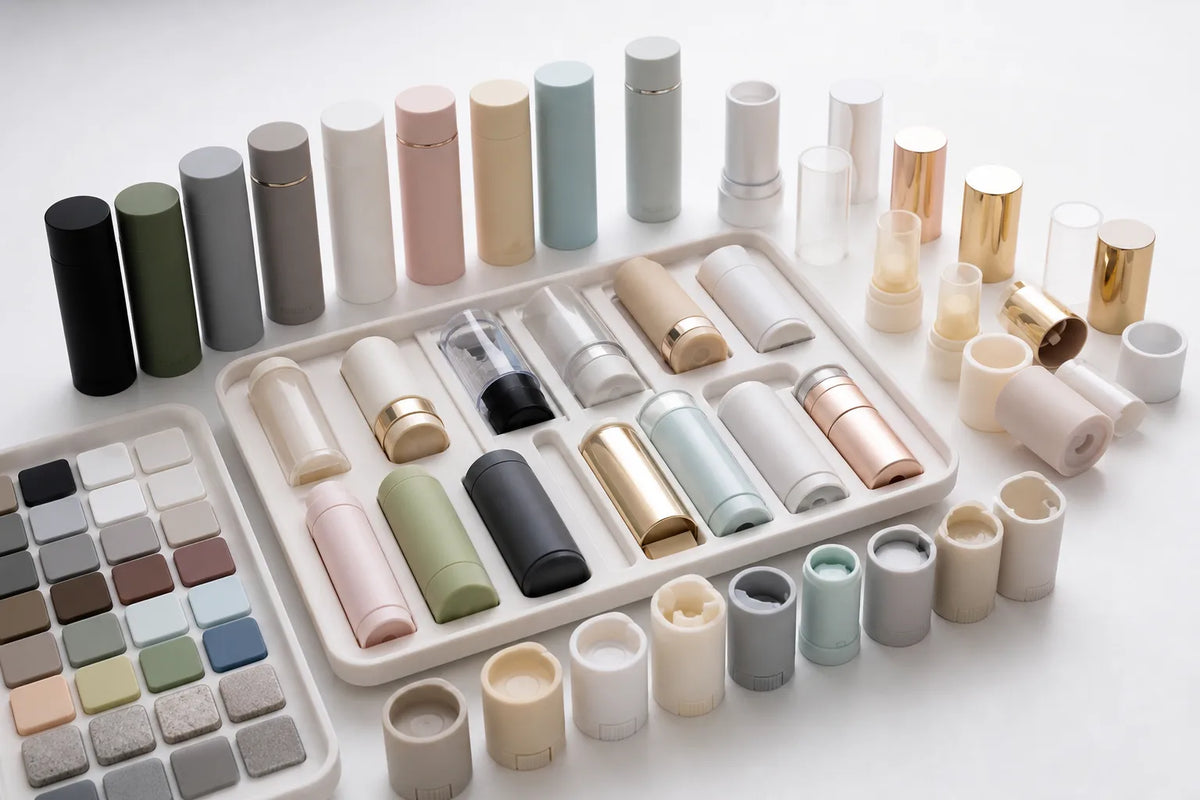
Packaging is one of the first things customers notice about a beauty product. Before they experience the formula, smell the fragrance or feel the texture, they see the container, label, colors and ...

Choosing the right price for a private label beauty product is about more than adding a markup to your manufacturing cost. Your pricing affects your profit, brand positioning, customer expectations...