
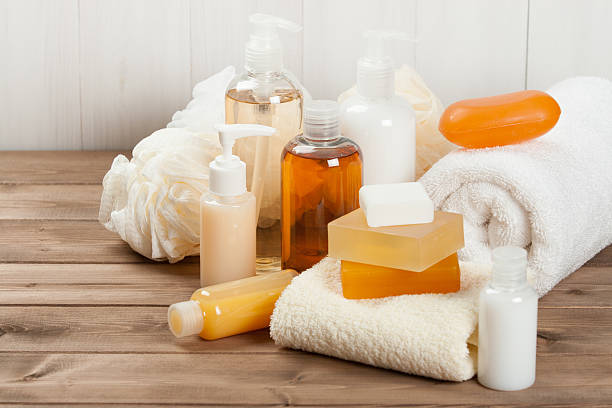
How to Start a Private Label Body Care Brand: Products, Positioning and Growth
How to Start a Private Label Body Care Brand: Products, Positioning and Growth
Body care is one of the most versatile categories for building a private label beauty brand. From everyday cleansing and moisturizing products to targeted treatments and premium body rituals, the category gives entrepreneurs many ways to create a recognizable product line around a specific customer and lifestyle.
For someone entering the beauty industry, body care can also provide an opportunity to build a collection that feels broader than a single product. A well-planned range can include products that customers use every day, products designed for specific routines and premium products that make the overall collection feel more elevated.
Private label manufacturing makes it possible to create these products under your own brand without having to establish your own manufacturing facility. Instead, you can focus your time and resources on product selection, branding, packaging, marketing and building relationships with customers.
The key is not simply finding products and putting your logo on them. A successful body care brand needs a clear reason to exist, a defined customer, a cohesive product range and a visual identity that makes the collection recognizable.
The strongest private label body care brands are built around a point of view. Your products should work together to communicate who the brand is for, what experience it provides and why customers should choose it.
What Is a Private Label Body Care Brand?
Private label body care refers to products manufactured by a specialized manufacturer and sold under your own brand name, packaging and product identity.
Instead of investing in your own production facility, you work with a manufacturer that already has the equipment, processes and expertise needed to produce the products.
This can give entrepreneurs a more accessible way to enter the body care market while concentrating on the parts of the business that customers actually see: the brand, the packaging, the product range, the customer experience and the marketing.
Depending on the manufacturer and available product catalog, a private label body care range can potentially include cleansing products, moisturizers, scrubs, oils, creams, lotions and other body-focused products.
The exact products you choose should be based on your target customer rather than simply selecting every product available.
Why Body Care Is a Strong Private Label Category
Body care can be a particularly interesting category because products can become part of everyday routines.
Customers may use a cleanser, lotion, cream or oil regularly, which creates opportunities for repeat purchasing. Other products can be positioned around specific moments, such as relaxation, self-care, post-shower routines or preparing for an occasion.
This gives a brand the ability to build both practical products and experience-driven products.
Body care also gives entrepreneurs considerable flexibility when defining their customer.
A brand could focus on minimalist everyday care, premium self-care, professional spa-inspired products, targeted body care, ingredient-led products or a particular lifestyle.
The category is broad enough to support different brand concepts, but that flexibility makes positioning especially important.
Start With a Specific Customer
Before choosing products, decide who you want your body care brand to serve.
Trying to build a product line for everyone can make your branding, product selection and marketing less distinctive.
Ask yourself:
- Who is most likely to buy my products?
- What type of body care routine do they already have?
- What products do they use regularly?
- What frustrates them about existing products?
- What type of packaging appeals to them?
- What price range makes sense for them?
- Where are they most likely to discover a new brand?
Your answers will help shape the rest of the business.
For example, a premium self-care brand may prioritize sophisticated packaging, sensory product descriptions and lifestyle photography. A professional body care brand may focus more heavily on performance, function and education.
Choose a Clear Positioning for Your Body Care Brand
Positioning is the space you want your brand to occupy in the customer's mind.
It answers a simple question:
Why should someone choose this body care brand instead of another one?
Your answer could be based on the product experience, customer, aesthetic, formulation story, professional expertise, convenience or another meaningful point of differentiation.
Some possible positioning directions include:
- Minimalist everyday body care
- Premium self-care rituals
- Professional spa-inspired body care
- Ingredient-focused body care
- Modern luxury body care
- Body care designed around specific routines
- Accessible premium body care
These are starting points rather than fixed formulas. The goal is to choose a direction that can guide your products, packaging, photography and marketing.
Build Your Product Range Around a Routine
One of the easiest ways to make a body care collection feel intentional is to build it around a routine.
Instead of selecting unrelated products, think about how customers move through their day.
A basic body care routine might include cleansing, moisturizing and finishing. A more elaborate routine could include exfoliation, targeted care and a final moisturizing or sensory step.
This creates natural opportunities for multiple products to work together.
For example, your collection could be structured around:
- Cleanse: A body wash or cleansing product.
- Exfoliate: A scrub or exfoliating product.
- Moisturize: A lotion, cream or body butter.
- Treat: A targeted body care product.
- Finish: A body oil or another finishing product.
Not every brand needs all five stages. A smaller collection can be more effective if every product has a clear purpose.
Start With a Hero Product
Your first product does not need to do everything.
In fact, choosing one hero product can make it easier to build a recognizable brand.
A hero product is the product you want customers to associate most strongly with your brand.
It could be a body cream, cleansing product, scrub, oil or another product that fits your positioning.
Once customers understand the hero product, additional products can be introduced as natural extensions of the same brand.
For example, a body care brand known for a signature moisturizing product could later introduce a cleanser and exfoliating product that support the same routine.
Do Not Confuse a Large Range With a Strong Brand
One of the most common mistakes new beauty businesses make is assuming that more products automatically make a brand look more established.
A large collection can actually make a new brand harder to manage.
Every additional SKU creates more decisions around inventory, packaging, photography, website content, pricing, marketing and customer education.
A smaller collection allows you to invest more attention into each product.
- Choose products that serve a clear purpose.
- Make sure the products work together.
- Keep the initial collection manageable.
- Build a strong visual identity across the range.
- Expand after you understand customer demand.
How to Create a Premium Body Care Experience
Premium body care is about more than putting a higher price on a product.
Customers experience a product through multiple touchpoints.
They see the packaging. They read the product name. They visit the website. They look at photography. They open the package. They use the product. They decide whether the experience was worth repeating.
Every one of these interactions contributes to perceived value.
If your goal is premium positioning, the experience needs to feel intentional from beginning to end.
This does not necessarily mean using the most expensive packaging or creating an elaborate brand. A minimalist brand can feel extremely premium when the typography, photography, packaging and messaging are consistent.
Packaging Can Help Define Your Brand
Body care packaging is one of the most visible expressions of your brand.
A customer should ideally be able to see two or three products together and immediately understand that they belong to the same collection.
Consistency can come from:
- Typography
- Label structure
- Product naming
- Color choices
- Photography
- Packaging formats
- Brand language
You do not need every product to look identical. Instead, create a visual system that allows products to feel related while still being easy to distinguish.
This becomes especially important when customers discover your brand online.
Product Names Should Be Easy to Understand
Product naming is another opportunity to strengthen your positioning.
A name can communicate function, ingredients, mood or the overall personality of the brand.
For a functional brand, clear names can make the range easier to navigate.
For a lifestyle-focused brand, more distinctive names can contribute to the overall experience.
Whichever approach you choose, make sure the customer can still understand what the product is and how it fits into their routine.
Think About Ingredients and Product Stories
Ingredients can become an important part of how customers understand a body care product.
However, ingredient communication should be accurate and appropriate for the product.
Instead of simply listing ingredients without context, explain why they are relevant to the product and how they fit into the overall formulation story.
For example, if a product contains a particular botanical, oil, butter or conditioning ingredient, the product description can explain its role without making unsupported medical or therapeutic claims.
This gives customers useful information while helping your brand develop a more compelling product story.
Build Products Around the Customer Experience
Body care is highly sensory.
Customers can experience a product through its texture, scent, application, packaging and appearance.
That means product experience can become a meaningful differentiator.
Think about questions such as:
- What texture should the product have?
- How should it feel during application?
- How should the packaging feel in the customer's hand?
- How does the product fit into the customer's routine?
- What should the customer notice immediately?
- What should make them want to use it again?
These considerations can help transform a basic product into a more complete brand experience.
Texture Is Part of the Brand
Texture can have a surprisingly strong effect on how customers perceive body care.
A lightweight lotion communicates something different from a rich cream. A dry-feeling oil creates a different experience from a heavier body oil. A scrub with a particular texture can feel different from a gentle exfoliating formula.
The visual presentation of these textures can also influence ecommerce marketing.
Close-up photography, product application images and carefully styled campaign photography can help customers understand what the product experience may be like before they purchase.
Price Your Products Before You Finalize the Collection
Your intended price range should be considered during product selection rather than after manufacturing has already begun.
Start with your direct product costs.
These can include:
- Manufacturing
- Packaging
- Labels
- Freight
- Other direct product expenses
Then consider your selling costs, including marketing, fulfillment, payment processing, discounts and other operating expenses.
The final retail price needs to make sense for both your customer and your business.
It is also useful to create a price ladder within the collection.
For example, an entry-level product can introduce customers to the brand, while a premium product can increase the average order value.
Consider Wholesale and Direct-to-Consumer Sales
Your sales channel can influence your pricing strategy.
If you plan to sell directly through your website, you control the retail price and customer relationship. However, you may also have significant marketing and fulfillment expenses.
If you plan to sell through spas, boutiques, salons or other retailers, you need to consider wholesale economics.
A wholesale customer needs enough room between their purchase price and their own retail price for the relationship to make sense.
If you want to operate both DTC and wholesale channels, build your pricing structure with both in mind from the beginning.
Use Bundles to Build Body Care Routines
Body care is naturally suited to bundles because products can be used together.
Instead of selling only individual products, consider creating routines around specific customer needs.
Examples could include:
- Everyday Body Care Set
- Body Glow Routine
- Self-Care Ritual
- Bath and Body Collection
- Exfoliate and Moisturize Set
- Travel Body Care Set
The exact names and products should reflect your brand.
A bundle can make it easier for customers to understand which products belong together while creating an opportunity to increase the number of products purchased in one transaction.
Build Your Marketing Around the Routine
Your marketing should not only describe what your products are. It should show customers how the products fit into their lives.
For example, instead of only saying that you sell a body cream, create content around the experience of using it.
You could create content showing:
- A morning body care routine
- An evening self-care routine
- How to layer body care products
- How to build a simple body care routine
- How to use a body scrub
- How to choose between different product textures
- How to create a spa-inspired routine at home
This type of content gives your products context and helps customers imagine using them.
Photography Should Match Your Positioning
Your product photography is often the first physical representation of your brand that potential customers see online.
A premium body care brand may benefit from clean studio photography, controlled lighting, refined composition and carefully considered textures.
A more natural brand may use softer environments and ingredient-focused imagery.
A modern minimalist brand may rely on simple backgrounds, strong typography and close product compositions.
The most important factor is consistency.
Your website, social media, product pages and advertising should feel like they belong to the same brand.
How to Choose a Private Label Body Care Manufacturer
Choosing the right manufacturer is one of the most important decisions in the process.
Before selecting a manufacturing partner, ask questions about:
- Available body care products
- Minimum order quantities
- Packaging options
- Labeling requirements
- Lead times
- Quality control
- Product documentation
- Customization options
- Future product development
- Communication and support
It is also important to understand exactly what is included in the quoted product cost.
Ask whether packaging, labels, artwork, freight or other components are included or charged separately.
The cheapest manufacturing quote is not automatically the best option. Reliability, communication, quality and the ability to support your brand as it grows can be equally important.
Private Label Does Not Have to Mean Generic
There is a common misconception that private label products all look and feel the same.
Your manufacturer provides the production foundation, but your brand is responsible for the customer-facing experience.
You can differentiate through:
- Product selection
- Brand positioning
- Packaging
- Product names
- Photography
- Website experience
- Education
- Bundles
- Customer service
- Marketing
Two businesses can sell products from the same manufacturing category and create completely different brands.
Compliance and Product Claims Matter
Body care products may be subject to different requirements depending on where they are manufactured and sold.
Before launching, make sure your product labeling, ingredients, directions, warnings and marketing claims are appropriate for your target market.
Avoid making medical or therapeutic claims unless your product and regulatory framework specifically support them.
Statements about ingredients and product benefits should be accurate and appropriately substantiated.
A professional manufacturer can help provide relevant product information, but your business remains responsible for making sure its final marketing and labeling are appropriate for the markets where products are sold.
Start Small and Learn From Your Customers
A successful product line does not need to be enormous at launch.
In fact, launching with a focused collection can make it easier to learn what customers actually want.
Pay attention to:
- Which products sell first
- Which products customers purchase together
- Which products receive the most questions
- Which products generate repeat purchases
- Which products customers recommend to others
- Which products perform best in bundles
This information can guide your next product decisions.
Rather than adding products simply because you can, use customer behavior to determine where the brand should expand.
Build a Product Roadmap
Once your first collection is defined, think about what comes next.
A simple product roadmap might look like this:
Stage 1: Launch Collection
Choose three to five products that establish the brand and provide a clear customer routine.
Stage 2: Supporting Products
Add products that naturally complement your strongest initial products.
Stage 3: Premium Products
Introduce higher-value products that can expand your price ladder and increase average order value.
Stage 4: Collections and Bundles
Group products into routines and sets that make the collection easier to shop.
Stage 5: New Categories
Once the core body care business is established, consider whether adjacent beauty categories make sense for your audience.
Questions to Ask Before Launching Your Body Care Brand
- Who is my ideal customer?
- What problem or routine is my brand built around?
- What is my hero product?
- Which products should launch alongside it?
- Does my packaging communicate my intended positioning?
- Do I understand my complete product costs?
- Is my pricing appropriate for my target customer?
- How will customers discover the brand?
- What content can educate customers about the products?
- Which products could naturally be added later?
Why a Focused Body Care Brand Can Be More Powerful
A successful body care brand does not have to compete by having the largest number of products.
It can compete by being clear.
Customers should understand who the brand is for, what the products are designed to do and why the collection belongs together.
A focused range also gives you more opportunities to create a recognizable visual identity and develop stronger marketing around specific routines.
For entrepreneurs, this can make private label body care an attractive way to enter the beauty market while leaving room to grow over time.
Building Your Private Label Body Care Brand With Brandology Labs
At Brandology Labs, we help businesses create private label products across multiple beauty categories, giving entrepreneurs the opportunity to build branded product lines without operating their own manufacturing facility.
Our broader product categories include cosmetics, hair care and pet care, alongside other opportunities for businesses looking to develop their own products.
For a new body care brand, the process starts with a clear idea of your customer and the type of experience you want your products to provide.
From there, you can select products, develop your packaging direction, establish your pricing and build the marketing system around the collection.
The goal is not simply to launch a product. The goal is to build a brand that customers can recognize, understand and return to.
Ready to Build Your Private Label Beauty Brand?
Brandology Labs helps businesses develop private label products across hair care, cosmetics, pet care, tattoo aftercare and more.
Explore our product categories and discover opportunities to create a product line under your own brand.
Visit Brandology Labs or contact our team to start planning your private label product range.
Frequently Asked Questions About Private Label Body Care
What is private label body care?
Private label body care allows a business to sell body care products under its own brand name and packaging while working with a manufacturer to produce the products. The business can focus on branding, product selection, packaging, marketing and customer relationships.
What body care products can I private label?
Depending on the manufacturer's available product range, private label body care can include products such as body washes, lotions, creams, scrubs, oils and other body-focused products. The right products depend on your target customer and brand positioning.
How many products should I launch with?
There is no universal number, but a focused initial collection can be easier to manage than a very large range. Three to five products that work together can provide a strong starting point while allowing you to learn from customer demand.
How do I choose a private label body care manufacturer?
Look at product selection, minimum order quantities, packaging options, lead times, quality processes, documentation, communication and the manufacturer's ability to support your future growth. Do not evaluate a manufacturer based only on unit price.
Can I create a premium private label body care brand?
Yes. Premium positioning can be built through product experience, packaging, branding, photography, customer education and consistent presentation. A higher price should be supported by an overall experience that communicates value.
How should I price private label body care products?
Start with your complete direct product cost, including manufacturing, packaging, labels and applicable freight. Then consider selling expenses, your target customer, selling channel, positioning and desired profit when establishing the final price.
Can I sell private label body care products online?
Yes. Private label body care products can be sold through ecommerce websites and other appropriate sales channels. Your website should clearly communicate the product's purpose, usage, ingredients and brand positioning.
Can I create body care bundles?
Yes. Body care products can naturally be grouped into routines such as cleansing, exfoliating and moisturizing. Bundles can make the range easier to understand and can encourage customers to purchase complementary products together.
How important is packaging for a body care brand?
Packaging is an important part of the customer experience and can help communicate your brand positioning. Consistent typography, product naming, visual identity and packaging across the collection can make the brand feel more established.
Can I expand my private label body care range later?
Yes. Starting with a focused collection can create a foundation for future products. Customer feedback, sales data and the performance of your initial products can help determine which products should be added next.
Read more
The pet care industry creates an exciting opportunity for entrepreneurs, groomers, salons and established businesses that want to build their own product brand. Private label pet grooming allows yo...

Pricing is one of the most important decisions you will make when launching a private label beauty brand. A product can have an excellent formula, beautiful packaging and a strong brand identity, b...