
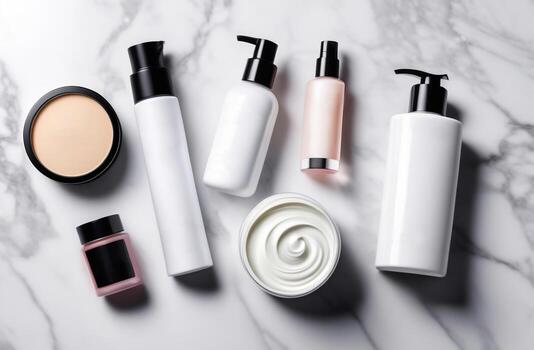
How to Create a Successful Product Line for Your Private Label Beauty Brand
How to Create a Successful Product Line for Your Private Label Beauty Brand
Launching a beauty brand is an exciting milestone, but choosing the right products is what ultimately determines whether your business grows into a recognizable brand or struggles to gain traction. Many entrepreneurs focus heavily on creating a logo, designing packaging, or building a website while giving far less attention to developing a product line that encourages repeat purchases and long-term customer loyalty.
A carefully planned product line helps customers understand your brand, simplifies purchasing decisions, increases average order value, and positions your business as a complete solution instead of a company selling only one or two products. Whether you're entering the skincare, hair care, tattoo aftercare, or pet grooming market, your product strategy should support both your customers' needs and your long-term business goals.
Private label manufacturing makes it possible to launch professionally manufactured products without investing in laboratories or production facilities. By partnering with an experienced manufacturer, entrepreneurs can focus on branding, customer acquisition, and marketing while offering high-quality products under their own brand.
This guide explores how to build a product line that supports sustainable growth while creating an outstanding experience for your customers.
1. Start With a Clear Brand Vision
Before selecting products, define what your brand stands for. Your vision influences every decision you make, including which products to launch, how they are packaged, who they are marketed to, and how they fit together as a collection.
Some brands focus on luxury salon-quality hair care, while others specialize in minimalist skincare routines, tattoo aftercare essentials, or premium pet grooming solutions. A clear vision helps customers immediately understand your business and builds stronger brand recognition.
Every new product you introduce should reinforce that vision rather than distract from it.
2. Solve Specific Customer Problems
Customers purchase beauty products because they want solutions. Rather than selecting products based only on trends, focus on addressing genuine customer concerns. Dry skin, damaged hair, scalp care, frizz, tattoo maintenance, and pet coat health are all examples of needs that guide purchasing decisions.
Building your collection around solving these problems creates a stronger connection with customers and makes your marketing far more effective.
3. Launch With a Focused Collection
One of the most common mistakes entrepreneurs make is launching too many products at once. A smaller, carefully selected collection is often easier to market, manage, and explain to customers.
For example, a skincare brand might begin with a cleanser, serum, moisturizer, and facial mask. A hair care brand could launch with a shampoo, conditioner, leave-in treatment, and styling product. Tattoo aftercare brands may begin with a cleanser and aftercare balm, while pet grooming brands could introduce a shampoo, conditioner, and coat spray.
A focused launch keeps inventory manageable while allowing your business to establish credibility before expanding.
4. Design Products That Work Together
Customers appreciate routines that are simple to follow. Rather than viewing each product individually, think about how they work together as a complete system.
When products naturally complement one another, customers are more likely to purchase multiple items during the same transaction. This not only improves their experience but also increases average order value and strengthens brand loyalty.
5. Build for Repeat Purchases
Successful beauty brands are built on recurring customers rather than one-time buyers. Products such as cleansers, shampoos, conditioners, moisturizers, and daily grooming products are naturally repurchased as customers use them.
Selecting products that become part of everyday routines creates predictable repeat business while improving customer lifetime value.
6. Think About Product Expansion Early
Even if you launch with only a few products, consider how your collection may grow in the future. Choosing a manufacturing partner with a broad product portfolio allows you to expand naturally into complementary categories without changing suppliers.
This approach creates a more consistent customer experience while simplifying operations as your business grows.
7. Keep Branding Consistent Across Every Product
Your product line should immediately look like a family of products. Consistent packaging, typography, colours, photography, and messaging strengthen brand recognition while making your products appear more professional.
Customers are more likely to trust brands that present a cohesive visual identity across every item in their collection.
8. Support Your Products With Educational Content
Every product should be supported by valuable educational content. Blog articles, routine guides, FAQs, videos, and social media posts help customers understand how to use your products while improving your website's search engine visibility.
Educational marketing positions your business as a trusted resource while attracting potential customers searching for beauty advice online.
9. Use Product Bundles to Increase Average Order Value
One of the simplest ways to grow revenue without constantly acquiring new customers is by offering thoughtfully designed product bundles. Customers often appreciate recommendations that simplify their purchasing decisions, particularly when products are intended to be used together.
Instead of promoting individual items, consider offering complete routines such as a daily skincare system, a hair repair collection, a tattoo aftercare kit, or a premium pet grooming bundle. Bundles create additional value for customers while increasing the average value of each order.
Product bundles also provide an excellent opportunity to introduce customers to products they may not have purchased individually, increasing the likelihood of future repeat purchases.
10. Create Products That Support Every Stage of the Customer Journey
Successful beauty brands understand that customers often begin with a single product before expanding into complete routines. Your product line should support this natural progression.
For example, someone purchasing a shampoo today may later purchase a matching conditioner, leave-in treatment, styling cream, and shine spray. A skincare customer who begins with a cleanser may later add a serum, moisturizer, exfoliating treatment, and overnight mask.
Designing your collection around the customer journey creates natural opportunities for future purchases while strengthening long-term loyalty.
11. Gather Customer Feedback Before Expanding
Every new product should be introduced for a reason rather than simply increasing the size of your catalogue. Existing customers provide valuable insights into which products they would like to see next.
Monitor reviews, customer emails, social media comments, and purchasing behaviour to identify recurring requests. Customers may consistently ask for complementary products or solutions to related concerns.
Allowing customer feedback to guide product expansion reduces guesswork while ensuring future launches address genuine market demand.
12. Balance Trends With Timeless Products
Beauty trends evolve constantly, but not every trend becomes a lasting opportunity. While it can be beneficial to monitor emerging consumer interests, the strongest product lines are built around products customers use consistently year after year.
Daily essentials such as cleansers, moisturizers, shampoos, conditioners, styling products, tattoo aftercare balms, and pet shampoos continue generating repeat business regardless of changing trends.
Building your foundation around timeless products provides stability while allowing you to introduce trend-driven products selectively when appropriate.
13. Build Your Website Around Your Product Line
Your website should help customers understand how every product fits into a complete system. Organize products into logical collections, create routine pages, publish buying guides, and recommend complementary products throughout the shopping experience.
Customers should never have to guess which product comes next. Clear navigation and educational content make purchasing decisions easier while encouraging larger orders.
Internal links between product pages, collection pages, and educational blog articles also strengthen search engine optimization, making it easier for potential customers to discover your business through Google.
14. Market Solutions Instead of Individual Products
Consumers are rarely searching for another moisturizer or another shampoo—they are searching for solutions to specific problems. Your marketing should focus on the outcomes customers hope to achieve rather than simply listing product features.
Instead of promoting a single product, explain how an entire routine supports healthier-looking skin, stronger-looking hair, effective tattoo aftercare, or a cleaner, shinier pet coat.
Solution-focused marketing creates stronger emotional connections while helping customers understand why multiple products work better together than individually.
15. Why Brandology Labs Helps Businesses Build Strong Product Lines
At Brandology Labs, we believe successful beauty brands are built on carefully planned product collections rather than isolated products. Our private label manufacturing solutions across skincare, hair care, tattoo aftercare, and pet grooming allow entrepreneurs to create complete product systems that support long-term customer loyalty.
By providing professionally manufactured products backed by dependable production standards, we help entrepreneurs focus on branding, marketing, and customer growth instead of manufacturing complexity. Whether you're launching a focused collection or planning a comprehensive product range, our team supports every stage of your business journey.
Working with an experienced manufacturing partner allows you to introduce new products confidently while maintaining consistent quality across your entire collection.
16. Build for Long-Term Growth, Not Just Launch Day
Launching your first products is an exciting achievement, but it should only be the beginning of your brand's growth story. Every decision you make today should support where you want your business to be several years from now.
A scalable product line, consistent branding, valuable educational content, and an experienced manufacturing partner create the foundation needed for sustainable growth. Rather than constantly introducing unrelated products, focus on expanding strategically while reinforcing your brand identity.
Businesses that think long-term often build stronger customer relationships, enjoy higher repeat purchase rates, and establish more recognizable brands within the beauty industry.
Final Thoughts
A successful private label beauty brand is built on far more than attractive packaging or a memorable logo. It begins with a thoughtfully designed product line that solves genuine customer problems, encourages repeat purchases, and creates a consistent brand experience across every product.
Whether your business specializes in skincare, hair care, tattoo aftercare, or pet grooming, developing complementary product systems allows customers to enjoy complete routines while increasing the long-term value of every relationship. Combined with professional branding, educational marketing, and excellent customer service, a carefully planned product strategy becomes one of the strongest competitive advantages your business can have.
At Brandology Labs, we're committed to helping entrepreneurs build successful private label beauty brands through premium-quality manufacturing and dependable long-term partnerships. By combining exceptional products with a clear brand vision and customer-focused strategy, you can create a beauty business positioned for lasting success in an increasingly competitive market.
Read more
Choosing a private label manufacturer is one of the most important decisions you'll make when launching a beauty brand. Your manufacturing partner directly influences product quality, production co...

The beauty industry has undergone a remarkable transformation over the past decade. Launching a skincare, hair care, tattoo aftercare, or pet grooming brand once required enormous financial investm...