
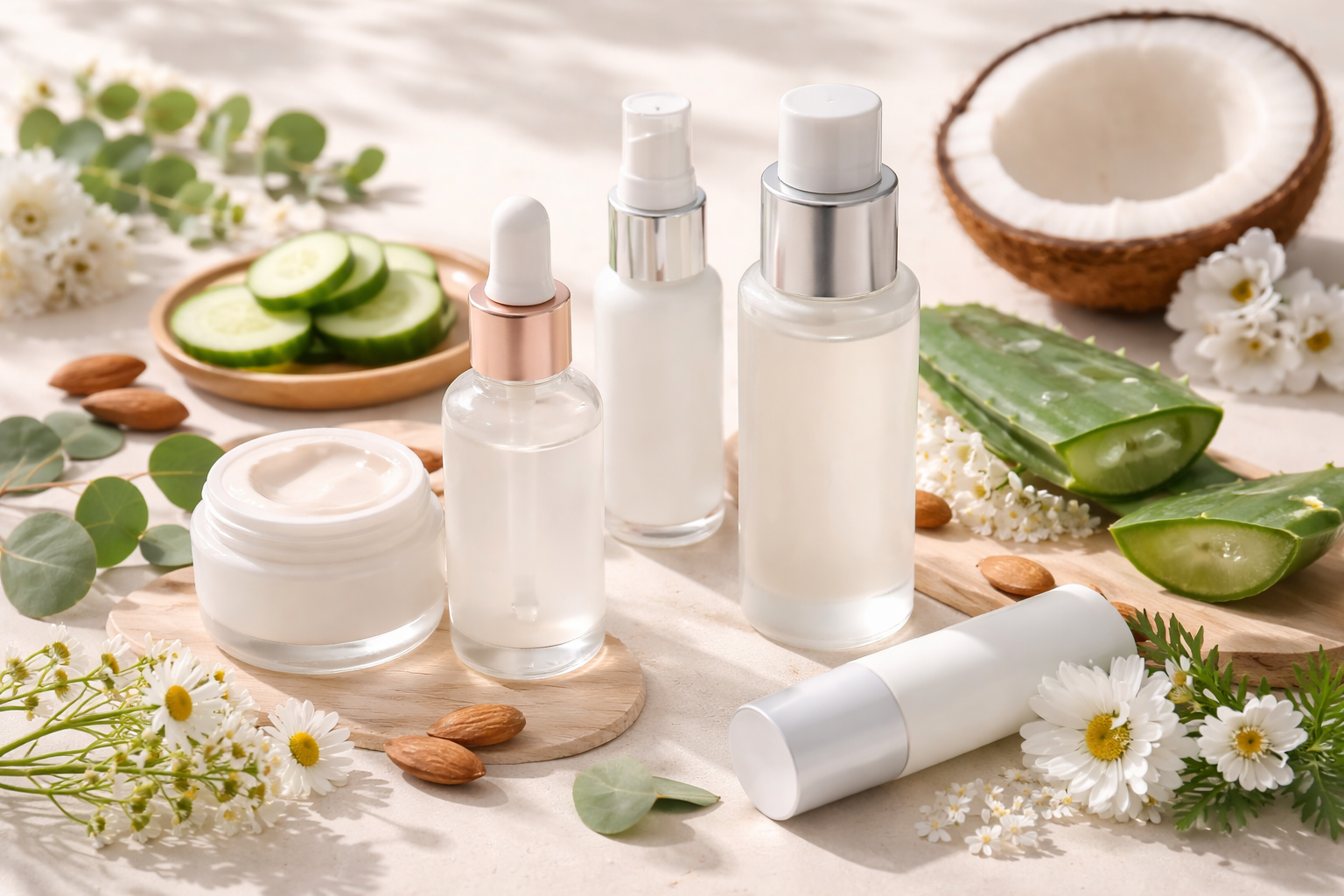
How to Build a Successful Private Label Skincare Brand That Stands Out
How to Build a Successful Private Label Skincare Brand That Stands Out
The global skincare industry continues to expand at an impressive pace, driven by growing consumer awareness, evolving beauty standards, and an increasing focus on self-care. Skincare is no longer viewed as a luxury—it has become an essential part of daily routines for millions of people worldwide. From cleansers and serums to moisturizers and sunscreens, consumers are actively investing in products that promote healthy, radiant skin.
This surge in demand has created significant opportunities for entrepreneurs and businesses to enter the market through private label skincare. Instead of developing products from scratch, brands can partner with experienced manufacturers to create high-quality skincare products under their own label. This approach allows businesses to focus on branding, marketing, and customer experience while leveraging proven formulations.
Building a successful private label skincare brand requires more than just selecting products. It involves understanding your audience, crafting a compelling brand identity, ensuring product quality, and developing a strategic marketing approach. When executed effectively, a skincare brand can become both profitable and scalable in a highly competitive market.
Why Skincare Is a High-Growth Market
The skincare market has experienced consistent growth due to a combination of lifestyle changes, social media influence, and increased consumer education. Today’s consumers are more informed than ever and are actively seeking products that deliver visible results.
Several factors contribute to the rapid growth of the skincare industry:
- Rising awareness of skin health and preventative care
- Influence of social media and beauty influencers
- Growing demand for natural and clean beauty products
- Expansion of e-commerce and direct-to-consumer brands
- Increased focus on self-care and wellness
Consumers are no longer looking for generic solutions—they want targeted products tailored to their skin type, concerns, and lifestyle. This creates an opportunity for niche skincare brands to stand out.
What Is Private Label Skincare?
Private label skincare refers to products manufactured by a third-party supplier but sold under your own brand name. Instead of investing in research and development, businesses can choose from pre-formulated products and customize them with their branding and packaging.
This model allows brands to launch faster and with lower upfront costs. Manufacturers often offer a wide range of skincare products that can be tailored to different markets and customer needs.
Common private label skincare products include:
- Facial cleansers and face washes
- Serums targeting specific skin concerns
- Moisturizers and creams
- Sunscreens and SPF products
- Face masks and exfoliators
Private labeling enables businesses to focus on building a strong brand presence while offering proven, effective products.
Step 1: Identify Your Target Audience
Understanding your target audience is one of the most important steps in building a successful skincare brand. Different customer segments have different needs, preferences, and purchasing behaviors.
Common skincare audiences include:
- Teenagers dealing with acne and oily skin
- Adults focused on anti-aging and hydration
- Consumers with sensitive or reactive skin
- Eco-conscious buyers seeking natural products
- Men’s skincare market, which continues to grow
Defining your audience helps guide product selection, branding, and marketing strategies. A clear niche allows your brand to communicate more effectively and stand out in a crowded market.
Step 2: Choose the Right Product Line
Successful skincare brands often offer a cohesive product range rather than a single product. A complete skincare routine encourages repeat purchases and increases customer lifetime value.
A well-rounded product line may include:
- A gentle cleanser to remove impurities
- A treatment serum targeting specific concerns
- A moisturizer to hydrate and protect the skin
- A sunscreen for daily protection
Offering a full routine positions your brand as a comprehensive solution provider and builds trust with your customers.
Step 3: Focus on Product Quality and Ingredients
Product quality is critical in the skincare industry. Consumers expect safe, effective, and high-performing formulations. Ingredient transparency has also become a major factor in purchasing decisions.
High-quality skincare products often include ingredients known for their proven benefits:
- Hyaluronic acid for hydration
- Vitamin C for brightening and antioxidant protection
- Niacinamide for improving skin texture
- Aloe vera for soothing and calming the skin
- Retinol for anti-aging benefits
Working with a reputable manufacturer ensures your products meet industry standards and deliver consistent results.
Step 4: Build a Strong Brand Identity
Your brand identity is what sets you apart from competitors. In the skincare industry, visual appeal and messaging play a major role in attracting customers.
Your branding should reflect your target audience and positioning. Whether your brand is minimalist, luxurious, or natural, consistency is key.
- A memorable logo and brand name
- A consistent color palette
- Clean and modern typography
- Clear messaging and brand voice
A strong brand identity builds recognition, trust, and loyalty over time.
Step 5: Design Packaging That Sells
Packaging is often the first interaction a customer has with your product. High-quality, visually appealing packaging can significantly influence purchasing decisions.
Effective skincare packaging should be:
- Functional and easy to use
- Durable and protective
- Visually appealing and aligned with your brand
- Informative with clear labeling
Packaging should communicate both quality and professionalism, reinforcing your brand’s value.
Step 6: Ensure Compliance and Safety
Skincare products must comply with cosmetic regulations to ensure they are safe for consumer use. Proper labeling and ingredient transparency are essential.
Key compliance considerations include:
- Accurate ingredient lists
- Usage instructions
- Safety warnings where necessary
- Manufacturer or distributor details
Partnering with an experienced manufacturer helps ensure your products meet all regulatory requirements.
Step 7: Develop a Strong Marketing Strategy
Marketing is essential for building awareness and driving sales. A well-executed marketing strategy helps position your brand and communicate its unique value.
Effective marketing channels include:
- Social media platforms showcasing results and routines
- Influencer partnerships
- Educational blog content
- Email marketing campaigns
- Paid advertising
Content that educates and builds trust is particularly effective in the skincare industry.
Step 8: Leverage Content and Education
Consumers are constantly searching for skincare advice, routines, and product recommendations. Educational content can position your brand as an authority in the industry.
Examples of valuable content include:
- Skincare routines for different skin types
- Ingredient breakdowns and benefits
- Before-and-after results
- Frequently asked questions
Providing helpful content builds trust and encourages long-term customer relationships.
Common Mistakes to Avoid
- Launching without a clear niche
- Choosing low-quality formulations
- Inconsistent branding
- Poor packaging design
- Lack of marketing strategy
Avoiding these mistakes can significantly improve your chances of success.
How Skincare Brands Scale Successfully
Successful skincare brands often start with a focused product line and expand over time. As brand recognition grows, businesses can introduce new products and enter new markets.
Growth strategies include:
- Expanding product ranges
- Introducing bundles and subscriptions
- Entering retail or wholesale channels
- Building a strong online presence
Consistency, quality, and customer experience are key drivers of long-term growth.
Conclusion
Private label skincare offers an exciting opportunity for entrepreneurs to enter a thriving industry with strong consumer demand. By focusing on quality, branding, and marketing, businesses can create products that resonate with their target audience.
With the right strategy and execution, a private label skincare brand can grow into a trusted name in the beauty industry. As consumers continue to prioritize skincare and self-care, the demand for effective, high-quality products will only continue to rise.
FAQ: Private Label Skincare
What is private label skincare?
Private label skincare refers to products manufactured by a third party but sold under your own brand name.
What products can I sell?
You can sell cleansers, serums, moisturizers, sunscreens, masks, and more.
Is private labeling profitable?
Yes. It allows for faster market entry and lower development costs while focusing on branding and sales.
How do I market skincare products?
Use social media, influencer partnerships, educational content, and email marketing.
Do skincare products require regulation?
Yes. They must comply with cosmetic regulations, including proper labeling and safety standards.
Read more
The tattoo industry has experienced remarkable growth over the past decade. Tattoos are no longer considered niche or rebellious — they have become a mainstream form of self-expression embraced acr...

The global pet care industry has experienced rapid growth over the past decade, driven by shifting consumer behavior and the increasing humanization of pets. Today, pets are no longer viewed simply...