
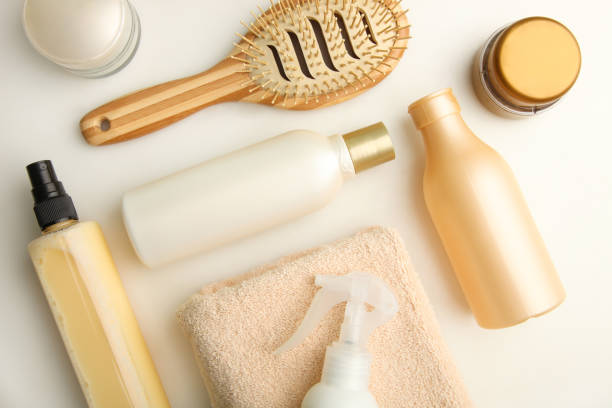
How Private Label Gives Your Hair Care Brand a Competitive Edge in Today’s Market
How Private Label Gives Your Hair Care Brand a Competitive Edge in Today’s Market
The global hair care industry is one of the most dynamic and competitive spaces in modern commerce. From niche organic brands to celebrity-backed product lines, the market is saturated with options competing for consumer attention. For new entrepreneurs entering this space, the challenge is not just launching a product—it is launching a product that can stand out, scale, and succeed.
Private label manufacturing has emerged as one of the most powerful strategies for overcoming these challenges. By allowing brands to leverage existing expertise, proven formulations, and streamlined production systems, private label creates a fast, efficient, and highly competitive pathway into the hair care market.
In this article, we explore how private label can position your hair care brand for success, helping you compete effectively while building a strong and differentiated presence.
1. Understanding Private Label in Hair Care
Private label refers to a business model where products are manufactured by one company but sold under another brand’s name. In the hair care industry, this includes products such as shampoos, conditioners, oils, masks, and styling treatments that are developed by experienced manufacturers and customized for your brand.
Instead of investing years into formulation development, lab testing, and production setup, you can partner with a manufacturer that already has these capabilities in place. This allows you to focus on building your brand identity, marketing strategy, and customer experience—areas that directly impact your competitiveness in the market.
This model is especially valuable in hair care, where product performance, consistency, and compliance are critical. By working with experts, you reduce risk while maintaining control over how your brand is presented to the world.
2. Speed to Market as a Competitive Advantage
In today’s fast-paced digital environment, timing is everything. Trends in hair care—such as scalp health, natural ingredients, or curly hair solutions—can rise rapidly and fade just as quickly.
Private label allows you to respond to these trends with speed and precision. Instead of spending months or years developing a product from scratch, you can launch within a significantly shorter timeframe using ready-to-market formulations.
This agility gives you a major competitive edge. You can test product ideas, enter trending niches early, and adapt your offerings based on real-time feedback. In an industry where relevance drives sales, being first—or at least early—can make all the difference.
3. Lower Costs, Higher Strategic Focus
Launching a hair care brand traditionally requires substantial investment in research, development, testing, and manufacturing infrastructure. These costs can be a major barrier, especially for new entrepreneurs.
Private label significantly reduces these upfront expenses. By leveraging existing formulations and production systems, you avoid the high costs associated with product development.
This allows you to allocate your resources more strategically. Instead of spending heavily on formulation, you can invest in:
- Branding and visual identity
- Packaging design
- Digital marketing campaigns
- Customer acquisition strategies
These are the areas that directly influence how consumers perceive your brand and whether they choose your product over competitors.
4. Professional-Grade Product Quality
One of the biggest challenges for new hair care brands is ensuring product quality. Consumers are highly discerning, and poor performance can quickly damage your brand reputation.
Private label manufacturers specialize in creating high-quality, tested formulations that meet industry standards. Many have years of experience and access to advanced technologies, ensuring that the products you offer are effective, safe, and reliable.
This built-in quality assurance gives your brand immediate credibility. Instead of proving your product from scratch, you are building on a foundation that has already been refined and validated.
In a competitive market, consistency and performance are key differentiators—and private label helps you deliver both.
5. Differentiation Through Branding
While the formulation is important, your brand is what truly sets you apart. In the hair care industry, consumers are not just buying products—they are buying experiences, values, and identities.
Private label gives you the freedom to focus on building a strong and distinctive brand. This includes:
- Creating a unique visual identity
- Developing a compelling brand story
- Defining your target audience
- Crafting messaging that resonates
Whether your brand focuses on luxury, sustainability, inclusivity, or performance, your positioning is what makes your product memorable. Two brands can sell similar formulations, yet achieve completely different outcomes based on how they present themselves.
This is where true competitive advantage lies.
6. Customization Opportunities
A common misconception about private label is that it limits creativity. In reality, many manufacturers offer extensive customization options.
You can tailor your products in ways that align with your brand vision, including:
- Fragrance profiles
- Ingredient preferences
- Packaging styles and finishes
- Label design and branding elements
This flexibility allows you to create a product line that feels unique and intentional. Even within a private label framework, you can carve out a distinct identity that resonates with your audience.
Customization ensures that your brand does not blend into the market—it stands out within it.
7. Meeting Consumer Trends with Ease
The hair care market is heavily influenced by evolving consumer preferences. Today’s buyers are more informed and selective, often looking for products that align with their values.
Popular trends include:
- Natural and organic ingredients
- Sulfate-free and paraben-free formulations
- Cruelty-free and vegan products
- Sustainable packaging
Private label manufacturers are often ahead of these trends, offering formulations that already meet current market demands. This allows you to align your brand with consumer expectations without the complexity of developing new formulations yourself.
Staying relevant becomes easier—and faster.
8. Building a Strong Digital Presence
In today’s market, your online presence is just as important as your product. Consumers discover, evaluate, and purchase hair care products primarily through digital channels.
Private label enables you to focus on building a powerful digital strategy, including:
- Creating a high-converting e-commerce website
- Leveraging social media platforms
- Running targeted advertising campaigns
- Producing engaging content
Because you are not tied up in production complexities, you can dedicate more time to growing your online presence. This is critical for building brand awareness and driving consistent sales.
9. Influencer and Community-Driven Growth
The rise of influencer marketing has transformed the beauty and hair care industries. Consumers trust recommendations from people they follow, making influencers a powerful channel for brand growth.
Private label allows you to quickly supply products for collaborations, campaigns, and promotions. This responsiveness is essential for capitalizing on influencer-driven trends.
Beyond influencers, building a community around your brand can create long-term loyalty. Engaging with your audience, sharing educational content, and encouraging user-generated content all contribute to a stronger brand presence.
10. Scalability Without Operational Complexity
As your brand grows, scaling production can become a major challenge. Managing manufacturing, logistics, and inventory can quickly become overwhelming.
Private label simplifies this process. Your manufacturing partner handles production, allowing you to scale your business without significantly increasing operational complexity.
This means you can focus on growth strategies such as expanding your product range, entering new markets, and increasing your marketing efforts.
Scalability is a key factor in long-term competitiveness—and private label supports it seamlessly.
11. Faster Testing and Iteration
Successful brands are built on continuous improvement. The ability to test new ideas, gather feedback, and refine your offerings is essential.
Private label enables rapid experimentation. You can introduce new products, assess their performance, and make adjustments without long development cycles.
This iterative approach allows you to stay aligned with customer needs and market trends. Instead of relying on assumptions, you are making data-driven decisions that enhance your competitiveness.
12. Building Customer Trust and Loyalty
In a crowded market, trust is one of the most valuable assets a brand can have. Consumers are more likely to purchase from brands they recognize and believe in.
Private label helps you establish trust by ensuring consistent product quality. When customers know they can rely on your products, they are more likely to return and recommend your brand to others.
Coupled with strong branding, transparent communication, and excellent customer service, this consistency creates a loyal customer base that supports long-term growth.
13. Competitive Positioning in a Saturated Market
The hair care industry is undeniably competitive. However, competition is not necessarily a disadvantage—it is an indication of demand.
Private label allows you to enter this market with a strong foundation. By combining high-quality products with strategic branding and marketing, you can position your brand effectively.
Your competitive advantage comes from how you differentiate yourself. This could be through targeting a specific niche, offering unique value propositions, or creating a distinctive brand experience.
Private label gives you the tools—you bring the strategy.
14. Choosing the Right Partner
Your choice of manufacturer plays a critical role in your success. A reliable partner ensures product quality, consistency, and scalability.
When selecting a private label partner, consider factors such as:
- Experience in hair care manufacturing
- Quality standards and certifications
- Customization options
- Communication and support
A strong partnership not only supports your current needs but also enables future growth. It is an investment in your brand’s long-term success.
15. Future-Proofing Your Hair Care Brand
The future of the hair care industry will be shaped by innovation, sustainability, and personalization. Brands that adapt to these trends will be better positioned for long-term success.
Private label provides the flexibility needed to evolve with the market. As new trends emerge, you can update your product line, refine your branding, and explore new opportunities without starting from scratch.
This adaptability is essential in an ever-changing landscape.
16. Final Thoughts
Launching a hair care brand is both an exciting opportunity and a significant challenge. In a market defined by competition and constant change, having the right strategy is essential.
Private label offers a powerful pathway to success. By combining speed, quality, flexibility, and scalability, it allows you to compete effectively while focusing on what truly matters—building a brand that resonates with your audience.
Ultimately, your success will be defined not just by the products you sell, but by the experience you create and the connection you build with your customers. Private label provides the foundation—your vision brings it to life.
Read more

Building a brand in today’s digital landscape has never been more accessible—yet never more competitive. With social media, e-commerce platforms, and global supply chains at your fingertips, entrep...
The Future of Beauty Brands: How to Build, Scale, and Stand Out in a Competitive Market The beauty industry has evolved into one of the most influential and fast-moving markets in the wo...