
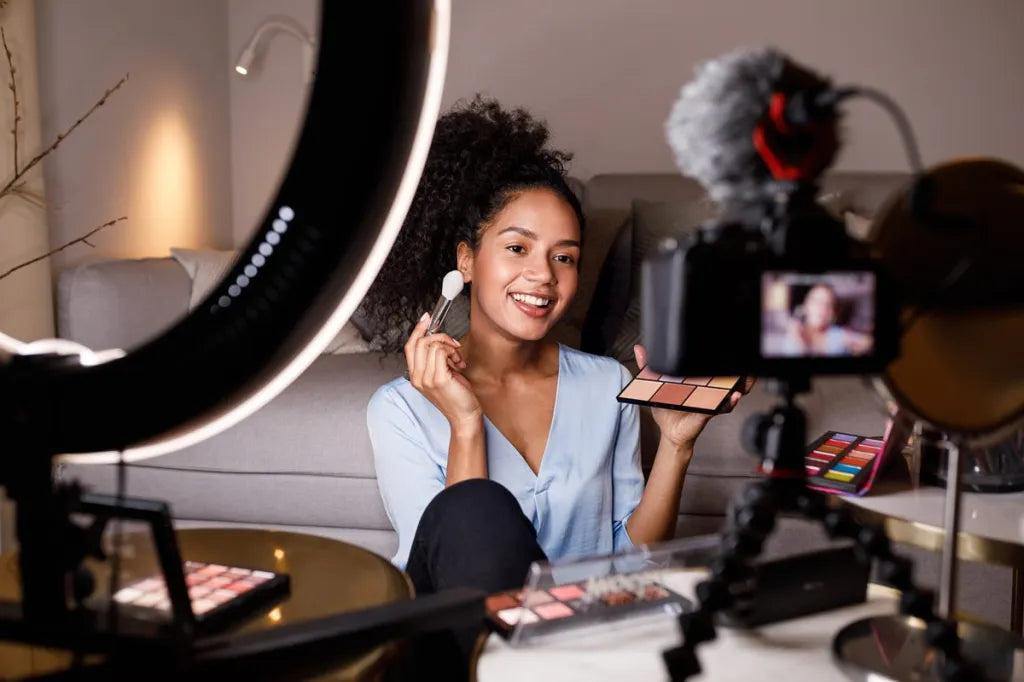
How Entrepreneurs Are Building Successful Beauty Brands Through Private Label Manufacturing
How Entrepreneurs Are Building Successful Beauty Brands Through Private Label Manufacturing
The beauty industry has become one of the most accessible markets for entrepreneurs looking to launch consumer product brands. Just a decade ago, starting a skincare or hair care company often required extensive industry knowledge, significant capital investment, manufacturing expertise, and access to product development resources. Today, private label manufacturing has dramatically changed the landscape, making it possible for aspiring business owners to launch professional-quality products without operating their own production facilities.
From skincare and hair care to tattoo aftercare and pet grooming products, private label manufacturing has become a powerful business model that allows entrepreneurs to focus on branding, customer acquisition, and business growth. By partnering with experienced manufacturers, brands can enter the market faster, reduce startup costs, and leverage professionally developed formulations that meet modern consumer expectations.
This shift has fueled the growth of thousands of independent beauty brands worldwide. Social media, e-commerce platforms, and digital marketing have made it easier than ever for entrepreneurs to connect directly with consumers and build highly specialized brands that serve specific audiences. As consumer demand for niche products continues increasing, private label manufacturing is becoming an increasingly attractive pathway into the beauty industry.
1. Why the Beauty Industry Continues to Attract Entrepreneurs
The beauty and personal care industry remains attractive because it combines strong consumer demand with recurring purchasing behavior. Products such as moisturizers, cleansers, shampoos, conditioners, tattoo balms, and pet grooming products are frequently used as part of daily routines, creating opportunities for repeat purchases and long-term customer relationships.
Unlike many industries that rely on one-time transactions, beauty brands often benefit from recurring revenue. Customers who find products they trust typically continue purchasing them regularly, increasing customer lifetime value and supporting sustainable business growth.
In addition, beauty products allow entrepreneurs to create strong emotional connections with customers through branding, education, lifestyle positioning, and community building.
2. Understanding the Private Label Model
Private label manufacturing allows businesses to sell products under their own brand name while partnering with an experienced manufacturer that handles formulation, production, and quality control. This approach eliminates many of the technical and operational challenges associated with developing products from scratch.
Instead of investing heavily in laboratories, manufacturing equipment, and research teams, entrepreneurs can focus on creating compelling brands and reaching their target audiences. This makes private label manufacturing particularly appealing for startups and growing businesses seeking efficient market entry.
The model also allows entrepreneurs to benefit from proven formulations that have already undergone testing and refinement, reducing risk while accelerating time to market.
3. The Growing Demand for Specialized Skincare Products
Modern skincare consumers are highly educated and increasingly seek products tailored to specific concerns such as hydration, anti-aging, acne management, brightening, and sensitive skin support. This demand has created opportunities for niche skincare brands that focus on clearly defined audiences and product categories.
Private label skincare manufacturing allows entrepreneurs to enter this market quickly while leveraging professional formulations designed to meet evolving consumer expectations. By combining quality products with strong educational content and strategic branding, businesses can establish credibility and attract loyal customers.
As skincare continues to dominate beauty industry growth, opportunities remain abundant for brands that prioritize trust, transparency, and customer experience.
4. Hair Care Is a Rapidly Expanding Category
Hair care has evolved significantly beyond basic cleansing products. Consumers now seek specialized solutions for scalp health, curl definition, hydration, color protection, volume enhancement, and hair strengthening. This has expanded the market and created opportunities for highly focused brands.
Private label hair care products allow entrepreneurs to develop product collections that address specific customer needs while benefiting from professional manufacturing expertise. Whether targeting salons, online consumers, or specialty markets, businesses can create differentiated offerings through branding and education.
The growing emphasis on hair wellness and ingredient quality continues driving demand for innovative hair care solutions.
5. Tattoo Care Is Becoming Mainstream
Tattoos have become increasingly accepted across demographics, leading to significant growth within the tattoo aftercare market. Consumers are investing more in products designed to support healing, maintain tattoo vibrancy, and protect skin health.
Tattoo artists and studios often recommend specific aftercare products, creating opportunities for brands capable of building trust within the tattoo community. Private label manufacturing allows entrepreneurs to launch tattoo balms, aftercare lotions, cleansers, and specialty products without managing production themselves.
This niche market offers strong growth potential because consumers often prioritize product quality and recommendations when caring for new tattoos.
6. The Premium Pet Grooming Opportunity
Pet owners increasingly view their pets as family members and are willing to spend more on premium care products. This trend has fueled growth within the pet grooming industry, particularly for products focused on coat health, skin comfort, odor control, and overall wellness.
Private label pet grooming products provide opportunities for entrepreneurs to serve this growing market through shampoos, conditioners, sprays, wipes, and specialty grooming solutions. By focusing on quality and customer trust, businesses can establish strong positions within a highly engaged consumer category.
The continued growth of pet ownership and premium pet spending suggests long-term opportunities within this market segment.
7. Faster Product Launches
One of the biggest advantages of private label manufacturing is speed. Developing custom formulations can take months or even years, delaying market entry and increasing costs.
Private label solutions allow businesses to launch significantly faster because product formulations, production systems, and manufacturing processes are already established. This enables entrepreneurs to capitalize on market opportunities more quickly while reducing operational complexity.
Faster launches also allow businesses to test concepts and gather customer feedback more efficiently.
8. Lower Financial Risk
Starting any business involves risk, but private label manufacturing can reduce some of the largest financial barriers associated with product development. Entrepreneurs can avoid many of the expenses related to laboratory research, formulation development, equipment acquisition, and manufacturing infrastructure.
This lower investment requirement makes it easier for businesses to validate product ideas and scale gradually based on customer demand.
Reducing upfront costs often improves overall business flexibility and sustainability during the early growth stages.
9. Branding Creates Competitive Advantage
In today's beauty industry, branding is often what separates successful businesses from those that struggle to gain traction. Consumers are presented with countless product options every day, making it essential for brands to communicate a clear identity and value proposition.
Private label manufacturing gives entrepreneurs the freedom to focus heavily on brand development. Instead of allocating resources toward production challenges, businesses can invest in packaging design, storytelling, customer experience, website development, and marketing campaigns.
Strong brands create emotional connections with customers. They establish trust, communicate values, and help consumers feel confident in their purchasing decisions. Over time, this emotional connection can become one of a company's most valuable assets.
10. Social Media Has Changed the Rules
Social media has transformed how beauty brands are discovered and evaluated. Platforms such as Instagram, TikTok, YouTube, and Pinterest allow businesses to reach highly targeted audiences and showcase products through engaging visual content.
Entrepreneurs no longer need massive advertising budgets to build brand awareness. Through educational content, tutorials, product demonstrations, and customer testimonials, smaller brands can generate significant visibility and customer engagement.
For skincare, hair care, tattoo care, and pet grooming brands, social media provides opportunities to educate consumers, build trust, and create communities around shared interests and lifestyles.
11. Customer Education Drives Sales
Modern consumers actively research products before making purchasing decisions. They want to understand ingredients, benefits, application methods, and expected results. This shift has made education one of the most effective marketing strategies available to beauty brands.
Companies that consistently publish valuable content through blogs, videos, email newsletters, and social media often establish themselves as trusted authorities within their industries. Educational content helps reduce purchasing uncertainty while building credibility.
For example, skincare brands can explain ingredient benefits, hair care brands can provide styling tips, tattoo care brands can discuss healing best practices, and pet grooming brands can educate owners about coat maintenance and skin health.
12. Building Long-Term Customer Relationships
Successful beauty brands focus not only on acquiring customers but also on retaining them. Because many beauty and personal care products are used regularly, there is significant opportunity to develop long-term customer relationships.
Customers who have positive experiences with products often become repeat buyers and brand advocates. They may also recommend products to friends, family members, and online communities, generating valuable word-of-mouth marketing.
By consistently delivering quality products and exceptional customer experiences, businesses can create strong customer loyalty that supports sustainable long-term growth.
13. Expanding Product Lines Over Time
One of the advantages of private label manufacturing is the ability to expand product offerings as a brand grows. Businesses can begin with a focused product range and gradually introduce complementary products that align with customer needs.
A skincare brand may expand from cleansers and moisturizers into serums and masks. A hair care company may introduce styling products and treatments. Tattoo care brands can add cleansing products and moisturizers. Pet grooming brands may expand into deodorizing sprays, conditioning treatments, and specialty care products.
This expansion strategy increases customer lifetime value while strengthening overall brand positioning.
14. Private Label Supports Scalable Growth
As businesses grow, managing production internally can become increasingly complex and expensive. Inventory planning, manufacturing capacity, quality control, and logistics all require significant resources.
Private label manufacturing allows entrepreneurs to scale more efficiently because production infrastructure is already in place. Manufacturers can often support increased order volumes without requiring businesses to invest heavily in operational expansion.
This scalability enables brands to focus on growth initiatives such as marketing, partnerships, product development, and customer acquisition.
15. The Importance of Choosing the Right Manufacturing Partner
Not all manufacturers are created equal. Selecting the right private label partner is one of the most important decisions entrepreneurs make when launching a beauty brand.
Businesses should evaluate manufacturers based on product quality, formulation expertise, production capabilities, quality control processes, communication, and industry experience. A strong manufacturing partnership can significantly influence long-term success.
The right partner not only provides products but also supports brand growth by ensuring consistency, reliability, and professional production standards.
16. The Future of Independent Beauty Brands
The future of the beauty industry will likely continue favoring independent brands that offer authenticity, transparency, and specialized solutions. Consumers increasingly seek products that align with their individual needs and personal values.
Private label manufacturing will continue playing a central role in supporting this trend because it lowers barriers to entry while enabling entrepreneurs to focus on customer experience and brand development.
As e-commerce, social media, and consumer education continue evolving, opportunities for independent beauty brands are expected to remain strong across skincare, hair care, tattoo care, and pet grooming categories.
Final Thoughts
Private label manufacturing has fundamentally changed how entrepreneurs enter the beauty industry. By removing many of the traditional barriers associated with product development and production, it allows businesses to focus on what matters most: building brands, attracting customers, and creating exceptional experiences.
Whether launching a skincare line, hair care collection, tattoo aftercare range, or premium pet grooming brand, private label manufacturing provides an efficient pathway into a growing and highly profitable market. Entrepreneurs can leverage professional manufacturing expertise while concentrating on marketing, branding, customer education, and business growth.
As consumer demand for specialized products continues increasing, businesses that combine quality products with strong branding and meaningful customer relationships will be best positioned for long-term success. The beauty industry remains full of opportunity, and private label manufacturing continues to be one of the most effective ways to capitalize on that opportunity.
Read more
The beauty and personal care industry continues to be one of the fastest-growing consumer markets in the world. From skincare and hair care to tattoo aftercare and premium pet grooming products, co...
For many entrepreneurs, one of the biggest barriers to starting a beauty brand is inventory cost. Traditional manufacturers often require large production runs, making it difficult for startups to ...