
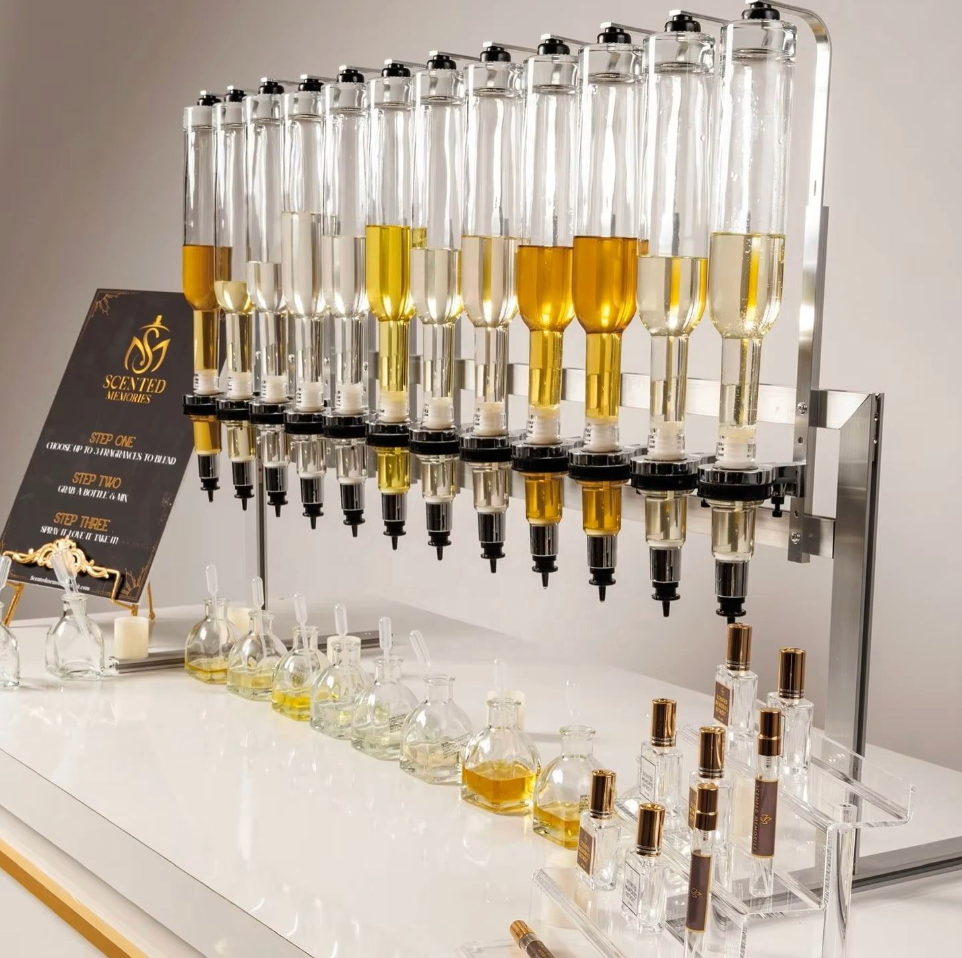
Hair Care Product Formulation 101: From Concept to Creation
Hair Care Product Formulation 101: From Concept to Creation
The beauty industry continues to grow as consumers look for innovative products that support healthier hair and scalp care. Behind every successful shampoo, conditioner, or treatment is a carefully designed hair care product formulation.
Understanding the fundamentals of hair care product formulation is essential for brands, salons, and entrepreneurs who want to develop high quality hair care products. From selecting ingredients to testing and manufacturing, the formulation process transforms a simple idea into a finished product ready for the market.
This guide explains the key stages of hair care product formulation, helping you understand how hair care products are developed from concept to creation.
What Is Hair Care Product Formulation
Hair care product formulation is the scientific process of designing and combining ingredients to create products that clean, nourish, protect, and improve the appearance of hair.
A well designed formula must balance several factors, including:
- Product performance
- Ingredient compatibility
- Safety and stability
- Texture and fragrance
- Consumer preferences
Hair care products such as shampoo, conditioner, hair masks, and leave in treatments all require carefully engineered formulations to ensure they deliver consistent results.
Brands that want to develop custom products often work with specialists in cosmetic product formulation or partner with manufacturers that offer custom hair care formulations.
The Hair Care Product Development Process
Creating a successful hair care product involves several stages, from early concept development to final production.
Step 1: Define the Product Concept
Every hair care product formulation begins with a clear concept. This step focuses on identifying the problem the product will solve and the target audience it will serve.
Examples of common product concepts include:
- Moisturizing shampoo for dry hair
- Strengthening conditioner for damaged hair
- Hair growth serum for thinning hair
- Anti frizz leave in treatment
- Scalp care treatments for sensitive skin
Brands also consider current hair care trends, such as natural ingredients, sulfate free formulas, and scalp focused products.
Step 2: Selecting the Right Ingredients
Ingredients are the foundation of every hair care formulation. Choosing the right ingredients determines how well the product performs and how it feels when used.
Hair care products typically include several types of ingredients:
Cleansing Agents
Shampoos rely on surfactants to remove oil and buildup from the hair and scalp. Gentle surfactants are often used in sulfate free shampoo formulations to reduce irritation.
Conditioning Ingredients
Conditioners and treatments use ingredients that smooth the hair cuticle and improve manageability.
Examples include:
- Argan oil
- Shea butter
- Coconut oil
- Hydrolyzed proteins
Active Ingredients
Active ingredients are included to address specific hair concerns such as hair damage, dryness, or scalp irritation.
Common actives in hair care product formulation include:
- Keratin
- Biotin
- Panthenol
- Botanical extracts
Stabilizers and Preservatives
These ingredients maintain product stability and prevent microbial growth. They ensure that hair care products remain safe and effective throughout their shelf life.
Step 3: Creating the Initial Formula
Once the ingredients are selected, cosmetic chemists begin building the initial hair care product formulation.
During this stage, they determine:
- Ingredient percentages
- Texture and viscosity
- Product pH level
- Fragrance compatibility
The goal is to create a formula that delivers the desired benefits while maintaining stability and usability.
Step 4: Laboratory Testing and Refinement
After the first version of the formula is created, the product undergoes testing and refinement.
This stage of hair care product development includes:
- Stability testing
- Performance testing
- Texture evaluation
- Compatibility testing with packaging
Chemists may adjust the formula multiple times to improve performance or achieve the desired texture and appearance.
Step 5: Safety and Regulatory Compliance
Before a product can be sold, it must meet cosmetic safety standards and regulatory requirements.
Manufacturers ensure that the hair care product formulation complies with relevant cosmetic regulations and ingredient guidelines.
This stage may include:
- Safety assessments
- Microbial testing
- Shelf life testing
- Ingredient documentation
Working with an experienced cosmetic manufacturing partner helps ensure that products meet industry standards.
Step 6: Packaging and Product Launch
Once the formula has been finalized and approved, the product moves into production.
This final stage involves:
- Selecting packaging
- Designing product labels
- Preparing products for retail or e-commerce distribution
Packaging plays a major role in product success. Attractive packaging helps hair care products stand out while communicating their key benefits to consumers.
Brands often combine strong packaging design with effective beauty product branding strategies to create a cohesive product line.
Types of Hair Care Products That Require Formulation
There are many different types of products that require hair care product formulation.
Shampoo Formulations
Shampoos are designed to cleanse the hair and scalp while maintaining moisture balance.
Conditioner Formulations
Conditioners smooth and hydrate hair while improving softness and manageability.
Hair Masks and Treatment Products
These intensive treatments repair damage and restore moisture to dry or chemically treated hair.
Leave In Treatments
Leave in conditioners and styling treatments provide long lasting hydration and protection against heat or environmental damage.
Scalp Care Products
Scalp focused products such as serums and exfoliating treatments are becoming increasingly popular as consumers prioritize scalp health.
Why High Quality Formulation Matters
A successful hair care product depends heavily on the quality of its formulation.
Well developed formulas provide:
- Better product performance
- Improved hair health
- Consistent results for customers
- Higher customer satisfaction
Brands that invest in professional hair care product formulation often build stronger reputations and generate higher repeat purchases.
The Future of Hair Care Product Formulation
The future of hair care product formulation is being shaped by several industry trends.
These trends include:
- Natural and botanical ingredients
- Scalp health focused formulas
- Sustainable and eco friendly formulations
- Personalized hair care solutions
As innovation continues, brands that invest in advanced formulations will remain competitive in the evolving beauty industry.
Frequently Asked Questions
What is hair care product formulation
Hair care product formulation is the process of designing and combining ingredients to create products such as shampoos, conditioners, hair masks, and treatments that support hair and scalp health.
Who develops hair care product formulations
Hair care formulations are typically developed by cosmetic chemists or cosmetic manufacturers that specialize in beauty product development.
How long does it take to create a hair care product
Developing a new hair care product formulation can take several weeks to several months depending on the complexity of the formula and the amount of testing required.
Can small businesses develop custom hair care products
Yes. Many manufacturers offer custom hair care formulations, allowing businesses to create unique branded products without building their own laboratory or production facility.
Read more
Launching a beauty brand is an exciting opportunity, but one of the first major decisions entrepreneurs face is whether to choose private label products or invest in custom formulation. Both option...
The skincare industry continues to be one of the fastest-growing sectors within the beauty market. Every year, thousands of entrepreneurs launch their own skincare brands, hoping to capitalize on g...