
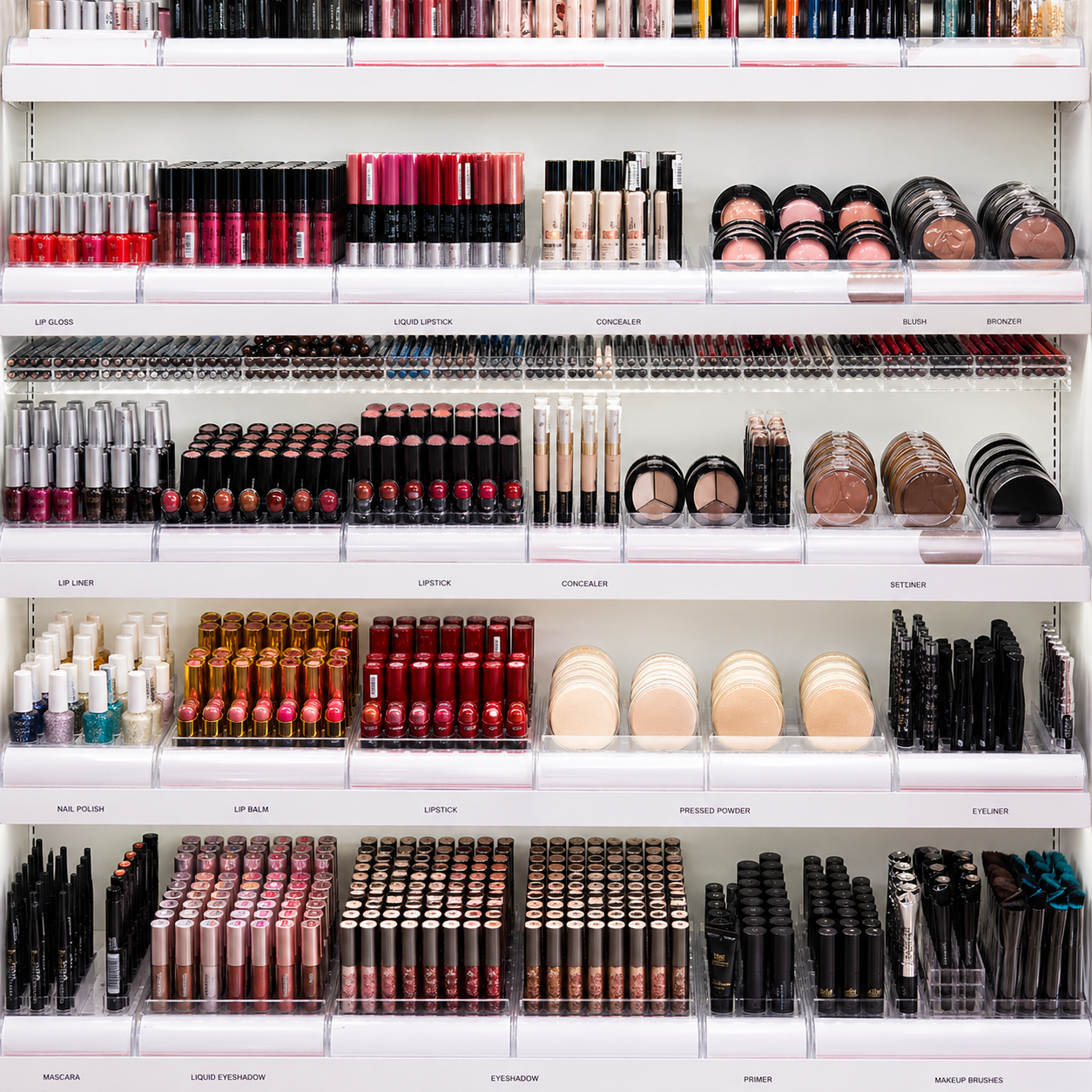
From Concept to Shelf: The Complete Guide to Launching a Successful Beauty Product
From Concept to Shelf: The Complete Guide to Launching a Successful Beauty Product
Launching a beauty product is one of the most exciting steps in building a brand—but it is also one of the most complex. Behind every successful product on the shelf is a process that combines creativity, strategy, technical expertise, and precise execution.
Many aspiring entrepreneurs underestimate what it takes to bring a product from an idea to a finished, market-ready solution. It is not just about choosing ingredients or designing packaging—it is about building a product that performs, complies with regulations, resonates with consumers, and fits into a larger brand strategy.
This guide breaks down the full journey of launching a beauty product, highlighting the key stages, decisions, and strategies that can set your brand up for long-term success.
1. Defining Your Product Vision
Every successful product begins with a clear vision. This is where you define what you want to create and why it matters.
Your product vision should answer key questions:
- What problem does this product solve?
- Who is it for?
- What makes it different from existing options?
- How does it align with your brand?
This stage is not about technical details—it is about clarity. A strong vision guides every decision that follows, from formulation to marketing.
Without a clear direction, it becomes easy to create a product that feels generic or disconnected from your audience.
2. Understanding Your Target Market
Knowing your audience is essential. The beauty industry is highly segmented, with different consumers looking for different benefits, experiences, and values.
Your target market could be defined by:
- Age group and lifestyle
- Hair or skin type
- Specific concerns or needs
- Values such as sustainability or clean beauty
The more specific you are, the stronger your positioning will be.
Instead of trying to appeal to everyone, focus on becoming highly relevant to a particular group. This creates a deeper connection and increases the likelihood of brand loyalty.
3. Choosing the Right Product Category
The beauty industry offers a wide range of product categories, from skincare and hair care to body care and wellness.
Choosing the right category depends on your brand vision and market opportunity.
Some factors to consider include:
- Market demand and competition
- Your brand’s expertise or focus
- Opportunities for differentiation
It is often more effective to start with a focused product range rather than trying to launch multiple categories at once.
This allows you to build authority and refine your offering before expanding.
4. The Role of Formulation
Formulation is where your product begins to take shape. This involves selecting ingredients, determining performance, and ensuring the product meets safety and quality standards.
Developing a formulation from scratch can be time-consuming and complex. It requires expertise in chemistry, testing, and compliance.
This is why many brands turn to private label manufacturing. By using pre-developed formulations, you can significantly reduce development time while ensuring high-quality results.
This approach allows you to focus on building your brand rather than navigating technical challenges.
5. Packaging as a Strategic Tool
Packaging is more than just a container—it is a critical part of your brand experience.
It influences first impressions, communicates your positioning, and affects how consumers interact with your product.
Effective packaging should:
- Reflect your brand identity
- Be functional and user-friendly
- Stand out on shelves or online
- Protect the integrity of the product
In a visually driven industry, packaging often plays a decisive role in purchasing decisions.
Investing in thoughtful design can significantly enhance your brand’s appeal.
6. Compliance and Quality Assurance
The beauty industry is regulated to ensure product safety and consumer protection.
Depending on your market, this may involve:
- Ingredient compliance
- Labeling requirements
- Product testing and documentation
Failing to meet these standards can lead to delays, legal issues, or damage to your brand reputation.
Working with an experienced manufacturing partner helps ensure that your product meets all necessary requirements.
This provides peace of mind and allows you to focus on growth.
7. Pricing Your Product Strategically
Pricing is a critical decision that affects both your brand positioning and profitability.
Your price point should reflect:
- Your target audience
- Your brand positioning (luxury, mid-range, or affordable)
- Your production and marketing costs
It is important to strike a balance between competitiveness and sustainability.
Underpricing can devalue your brand, while overpricing can limit accessibility.
A well-thought-out pricing strategy supports both growth and perception.
8. Building a Strong Brand Identity
Your brand identity is what makes your product memorable.
This includes your:
- Logo and visual design
- Brand voice and messaging
- Story and mission
Consistency is key. Every touchpoint—from your website to your packaging—should reflect the same identity.
A strong brand creates recognition, trust, and emotional connection.
It is what transforms a product into an experience.
9. Creating a Go-to-Market Strategy
Launching a product requires more than just making it available—it requires a strategic approach to reaching your audience.
Your go-to-market strategy may include:
- Pre-launch campaigns
- Social media marketing
- Email marketing
- Influencer partnerships
Building anticipation before launch can significantly impact your initial success.
The goal is to create momentum and generate demand from day one.
10. The Importance of Content
Content plays a major role in how consumers discover and connect with your brand.
This includes:
- Product photography
- Educational posts
- Tutorials and demonstrations
- User-generated content
High-quality content not only attracts attention but also builds trust.
It helps consumers understand your product and see its value.
11. Leveraging E-Commerce
E-commerce has become the primary sales channel for many beauty brands.
A well-designed website should:
- Be visually appealing
- Provide clear product information
- Offer a seamless purchasing experience
Optimizing your website for conversions is essential.
Small improvements in user experience can lead to significant increases in sales.
12. Gathering Feedback and Iterating
No product is perfect from the start. Gathering feedback allows you to refine and improve your offering.
This can come from:
- Customer reviews
- Surveys and feedback forms
- Social media engagement
Listening to your audience helps you make informed decisions and stay aligned with their needs.
Continuous improvement is key to long-term success.
13. Scaling Your Product Line
Once your initial product gains traction, the next step is expansion.
This could involve:
- Introducing complementary products
- Expanding into new categories
- Targeting new markets
Scaling should be strategic, not rushed.
Each new product should align with your brand and add value to your existing offering.
14. Building a Community Around Your Brand
Successful brands go beyond transactions—they build communities.
Engaging with your audience creates a sense of belonging and loyalty.
This can be achieved through:
- Social media interaction
- Exclusive content or offers
- Encouraging user-generated content
A strong community amplifies your brand and supports long-term growth.
15. Staying Adaptable in a Changing Market
The beauty industry is constantly evolving.
New trends, technologies, and consumer expectations emerge regularly.
Brands that succeed are those that remain adaptable.
This means being open to change, testing new ideas, and continuously learning.
Flexibility allows you to stay relevant and competitive.
16. Final Thoughts
Launching a beauty product is a journey that requires vision, strategy, and execution.
From defining your concept to scaling your brand, each step plays a critical role in your success.
While the process can be complex, it also offers incredible opportunities for growth and innovation.
By leveraging the right strategies and partners, you can navigate this journey with confidence.
Ultimately, success comes from creating products that deliver value, building a brand that resonates, and staying committed to continuous improvement.
With the right foundation, your product can go from concept to shelf—and beyond.
Read more
The Future of Beauty Brands: How to Build, Scale, and Stand Out in a Competitive Market The beauty industry has evolved into one of the most influential and fast-moving markets in the wo...

The modern e-commerce landscape has never been more accessible—or more competitive. With low barriers to entry, anyone can launch a brand, build a website, and begin selling products within days. B...